Are you tired of stepping into a cold shower when you expect warm water? Your electric hot water heater should make life easier, but when it starts acting up, it can be frustrating and inconvenient.
Understanding the common problems your electric hot water heater might face can save you time, money, and stress. You’ll discover what causes these issues and how to spot them early—so you can keep your hot water flowing without interruption. Keep reading to learn how to protect your comfort and avoid unexpected breakdowns.
Credit: www.eecusa.com
Common Electric Hot Water Heater Issues
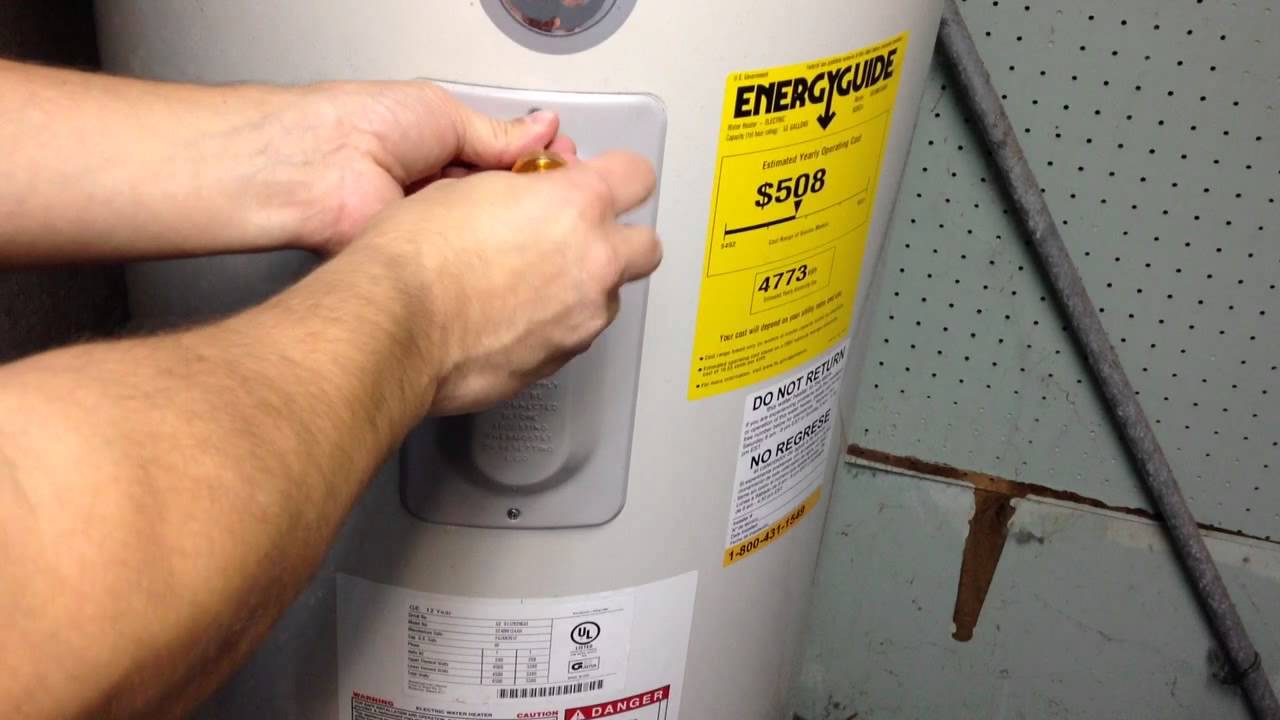
Electric hot water heaters are common in many homes. They provide hot water for daily use. Despite their convenience, these heaters can develop problems over time. Knowing common issues helps you spot trouble early. This saves time and avoids costly repairs.
Below are some frequent problems with electric hot water heaters. Understanding each issue helps in taking the right action.
No Hot Water
No hot water is a clear sign of trouble. This usually happens when the heating elements fail. Sometimes, a tripped circuit breaker stops power flow. Faulty thermostats can also cause this problem. Testing these parts can help find the cause.
Insufficient Hot Water
Running out of hot water quickly is frustrating. Sediment buildup inside the tank reduces heating efficiency. A broken thermostat may not heat water properly. The heater size might be too small for your household needs. Check these factors to fix the issue.
Water Too Hot
Water that is too hot can cause burns. A malfunctioning thermostat often causes overheating. The thermostat might be set too high. Some heaters have safety limits that can fail. Adjusting or replacing the thermostat usually solves this.
Strange Noises
Unusual sounds from the heater are common. Rumbling or popping noises come from sediment buildup. The sediment traps heat and causes noise. Clicking sounds might indicate electrical issues. Regular maintenance reduces these noises.
Water Leaks
Leaks around the heater can cause damage. Loose pipe connections often cause small leaks. Corrosion inside the tank leads to bigger leaks. A leaking pressure relief valve is another cause. Fixing leaks quickly prevents water damage.
Credit: www.healingwithhorsesranch.org
Electrical Problems
Electrical problems are common issues in electric hot water heaters. These problems stop the heater from working properly. They can cause no hot water or inconsistent heating. Understanding these issues helps in spotting the problem early.
Tripped Circuit Breaker
A tripped circuit breaker cuts off power to the heater. It happens when the heater draws too much electricity. This can occur due to a short circuit or overload. Resetting the breaker may fix the issue. But repeated trips mean a deeper electrical problem.
Faulty Thermostat
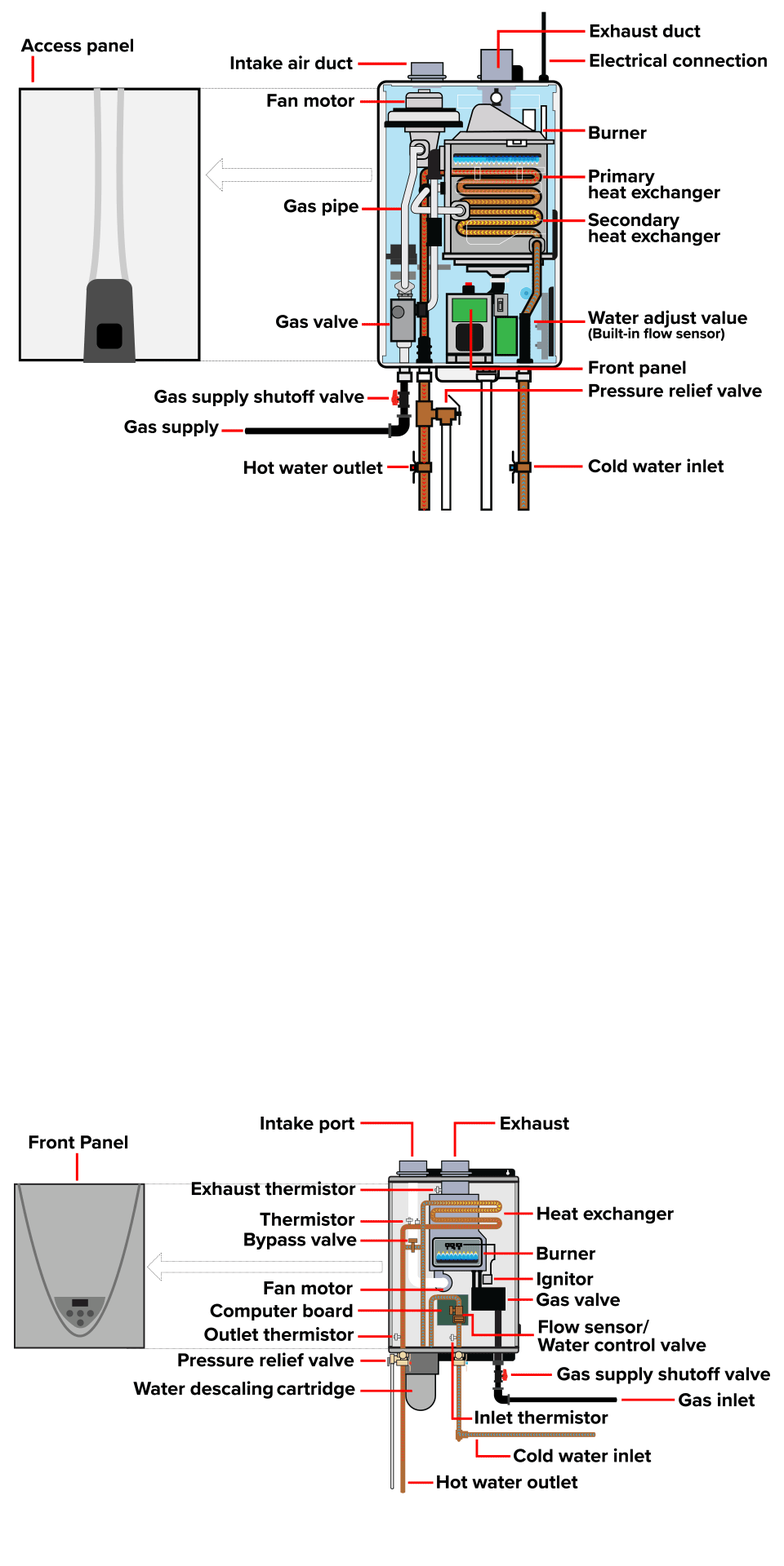
The thermostat controls the water temperature. A faulty thermostat can cause water to be too hot or cold. It may stop the heater from turning on. Replacing the thermostat often restores normal function. Testing it with a multimeter shows if it is working.
Heating Element Failure
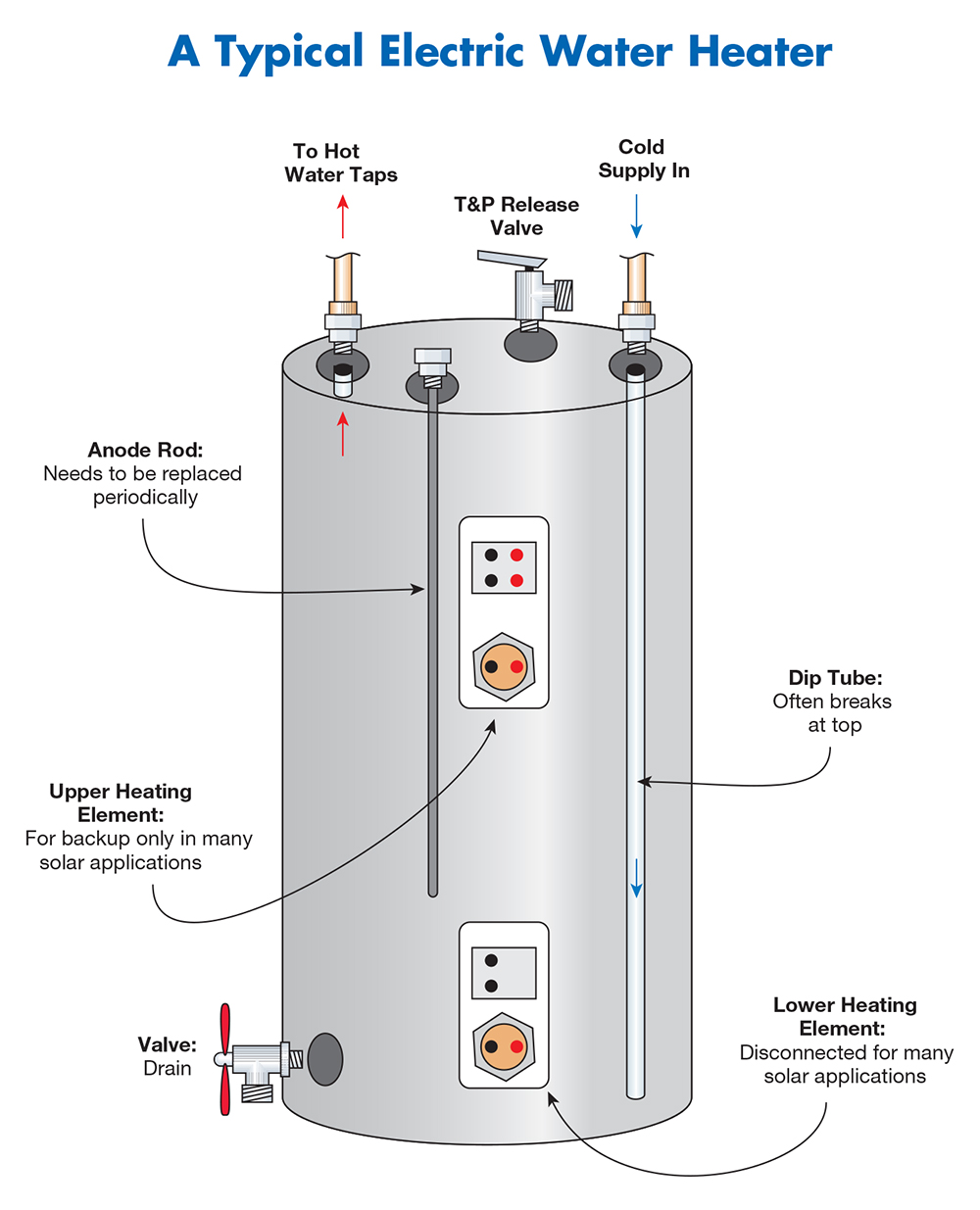
The heating element warms the water inside the tank. Over time, it can burn out or break. A failed element leads to no hot water. Testing the element’s resistance helps find the fault. Replacing the element is the usual fix.
Wiring Issues
Wiring problems include loose or damaged wires. These can cause power loss or short circuits. Inspecting wires for wear or corrosion is important. Damaged wires need immediate repair to avoid hazards. Proper wiring ensures safe and efficient heater operation.
Mechanical And Plumbing Issues
Mechanical and plumbing issues are common problems in electric hot water heaters. These problems affect the heater’s performance and lifespan. Knowing about these issues can help prevent costly repairs. Regular checks and maintenance keep your heater working well.
Sediment Buildup
Minerals in water settle at the tank’s bottom. This buildup reduces heating efficiency. It can cause strange noises like popping or rumbling. Sediment buildup can also damage the tank over time. Flushing the tank yearly helps remove sediment.
Pressure Relief Valve Problems
The pressure relief valve stops too much pressure inside the tank. A faulty valve can cause leaks or pressure buildup. This issue is dangerous and needs quick attention. Testing the valve regularly ensures it works correctly. Replace it if it leaks or sticks.
Corroded Anode Rod
The anode rod protects the tank from rust. It slowly wears out to save the tank. A corroded rod can no longer protect the tank. Rust then damages the tank’s inside walls. Checking and replacing the rod every few years prevents corrosion.
Tank Leaks
Leaks often start small but grow over time. They waste water and cause damage around the heater. Leaks may come from fittings, valves, or the tank itself. A leaking tank usually means it needs replacing. Catch leaks early to avoid bigger problems.
Simple Fixes For Hot Water Heater Problems
Electric hot water heaters can face common problems that affect performance. Many issues are simple to fix at home. Basic steps can often restore hot water quickly. These fixes save time and money.
Here are some easy repairs to try before calling a professional.
Resetting The Breaker
The breaker might trip and cut power to the heater. Locate the main electrical panel and find the breaker for the water heater. Switch it off and then back on. This can reset the system and restore heating.
Replacing The Thermostat
A faulty thermostat can cause inconsistent water temperature. Turn off the power to the heater first. Remove the thermostat cover and test it with a multimeter. Replace it if it does not work correctly.
Flushing The Tank
Mineral buildup can reduce heater efficiency. Turn off the power and water supply. Attach a hose to the drain valve and empty the tank. Flush with fresh water to clear out sediment.
Changing The Anode Rod
The anode rod prevents tank rusting. Over time, it wears out. Turn off power and water, then remove the rod. Replace it with a new one to extend tank life.
Fixing Leaks
Leaks can waste water and cause damage. Identify the source of the leak. Tighten loose connections or replace faulty parts. Small leaks often have simple solutions.
Maintenance Tips To Prevent Issues
Proper maintenance keeps your electric hot water heater working well. It helps avoid common problems and extends the heater’s life. Simple tasks done regularly can prevent costly repairs and keep hot water flowing.
Regular Flushing
Flush the tank every six months to remove mineral buildup. Minerals settle at the bottom and reduce heater efficiency. Draining the tank clears out sediment and improves performance. It also stops strange noises and protects the tank from damage.
Checking The Pressure Valve
The pressure relief valve prevents too much pressure inside the tank. Test it twice a year by lifting the valve lever. Water should flow out and stop when released. Replace the valve if it leaks or does not work correctly.
Inspecting Electrical Components
Turn off power before checking wires and connections. Look for signs of wear or damage on heating elements and wiring. Loose or burnt parts can cause failure or safety issues. Tighten connections and replace faulty parts immediately.
Scheduling Professional Inspections
Hire a professional to inspect your heater yearly. They can find hidden problems and fix them early. Experts check the thermostat, heating elements, and safety features. Regular check-ups keep your heater safe and efficient.
Credit: www.spec-school.org
Conclusion
Electric hot water heater problems can disrupt daily life quickly. Fixing small issues early saves time and money later. Regular checks help keep your heater running well. Watch for leaks, strange noises, or no hot water. Simple care can extend your heater’s lifespan.
Stay aware and act fast to avoid bigger troubles. A well-maintained heater means warm water when you need it. Keep your home comfortable with a reliable water heater.