Is your hot water heater not getting very hot? That cold shower shock is frustrating, especially when you expect warm water on demand.
You rely on your water heater every day, and when it stops working right, it disrupts your routine and comfort. But don’t worry—you’re not alone, and there are simple reasons why this happens. You’ll discover easy ways to find the cause and fix your water heater so you can enjoy hot water again without stress.
Keep reading to learn how to take control and get your heater back to full warmth.
Common Causes
Hot water heaters may fail to heat water properly due to several common reasons. Understanding these causes helps in fixing the problem quickly. Some issues are simple to fix, while others need professional help. Below are frequent causes of hot water heaters not getting very hot.
Thermostat Issues
The thermostat controls the water temperature inside the heater. If it is faulty or set too low, water will not get hot enough. A broken thermostat can cause inconsistent heating or no heating at all. Checking and adjusting the thermostat can solve many heating problems.
Sediment Buildup
Over time, minerals and sediment collect at the bottom of the tank. This buildup acts as insulation, reducing heat transfer to the water. Sediment also damages the heating elements. Flushing the tank regularly helps keep sediment from causing heating issues.
Faulty Heating Elements
Electric water heaters use heating elements to warm the water. If one or both elements fail, the water will not reach the desired temperature. Testing and replacing bad elements restores proper heating. Heating elements wear out naturally and need replacement eventually.
Power Supply Problems
Electric heaters need a steady power supply to work well. Loose wires, tripped breakers, or blown fuses can interrupt power. Without electricity, the heater cannot heat water. Inspecting the electrical connections and resetting breakers can fix power issues.
Water Temperature Settings
Sometimes the water temperature setting is simply too low. Most heaters allow users to set desired water temperature. If set below 120°F, water may feel lukewarm. Increasing the thermostat setting raises water temperature quickly and easily.

Credit: www.youtube.com
Safety Precautions
Safety is the top priority when dealing with a hot water heater. Taking the right steps can prevent accidents and injuries. Follow these simple precautions before you start any repair or inspection.
Turn Off Power Supply
Always switch off the power to the heater. For electric heaters, turn off the circuit breaker. For gas heaters, shut off the gas valve. This stops electricity or gas from causing harm during work.
Check For Gas Leaks
Gas leaks are dangerous and need quick attention. Smell around the heater for any gas odor. Use a soap and water mix on joints. Bubbles mean a leak is present. If you find one, call a professional immediately.
Use Protective Gear
Wear gloves to protect your hands from heat and sharp edges. Use safety goggles to shield your eyes from dust and debris. Wearing long sleeves can protect your arms. Proper gear keeps you safe and comfortable.
Quick Fixes
Hot water that isn’t very hot can be frustrating. Many times, you can fix this problem quickly. Simple steps can help restore your water heater’s temperature without calling a professional. Here are some easy fixes to try first.
Adjust Thermostat Settings
The thermostat controls the water temperature inside the tank. Check the thermostat dial on your water heater. It might be set too low. Increase the temperature to around 120 degrees Fahrenheit. This often solves the issue of lukewarm water.
Flush The Tank
Mineral buildup inside the tank can block heat transfer. Flushing removes these deposits. Turn off the heater and let the water cool. Attach a hose to the drain valve and drain the tank. Flush until the water runs clear. This helps the heater work better.
Replace Heating Elements
Heating elements wear out over time. If the water is not hot enough, the elements may be faulty. Turn off power to the heater. Remove the old elements and replace them with new ones. This fix improves heating and restores hot water.
Reset The Heater
Many electric water heaters have a reset button. It cuts power if the heater overheats. Find the red reset button on the thermostat panel. Press it firmly to reset the heater. This can solve temperature problems quickly.
Inspect Circuit Breaker
The circuit breaker controls power to the water heater. A tripped breaker stops the heater from working. Check your breaker panel for any switches in the off position. Flip the breaker back on to restore power. This simple step can fix heating issues.
:max_bytes(150000):strip_icc()/reasons-gas-water-heater-not-working-5212987-hero-fe6b82a59053421c88b7d13ea311d3c5.jpg)
Credit: www.thespruce.com
Maintenance Tips
Proper maintenance helps your hot water heater work well and last longer. Simple checks can stop small problems from becoming big ones. Follow these easy tips to keep your heater hot and ready.
Regular Flushing Schedule
Flush your water heater every six months. This removes sediment build-up that lowers heat efficiency. Sediment makes the water heater work harder. Flushing keeps the tank clean and water hot.
Check Anode Rod
The anode rod stops rust inside the tank. Check it once a year. Replace it if it looks very worn or thin. A good anode rod protects your heater from damage.
Insulate The Heater
Wrap insulation around the tank to keep heat inside. This cuts heat loss and saves energy. Use a heater blanket made for water heaters. Avoid covering the thermostat or burner.
Monitor Water Temperature
Set your water heater to 120°F (49°C). This is hot enough for most uses. Too high temperature wastes energy and can cause burns. Check the temperature regularly to keep it safe and efficient.
When To Call A Professional
Knowing when to call a professional for a hot water heater problem saves time and stress. Some issues need expert care to avoid damage or danger. Watch for signs that show the heater needs more than a quick fix.
Persistent Heating Issues
Water that never gets hot enough is a warning. If you reset the heater or adjust settings without success, call a pro. Continuous problems often point to faulty parts inside. A technician can find and fix these safely.
Leaks Or Corrosion
Leaks around the heater or rust on the tank need urgent attention. Water damage can worsen quickly and cause costly repairs. Corrosion weakens the tank, risking a burst. Professionals check and replace damaged parts to keep your home safe.
Electrical Concerns
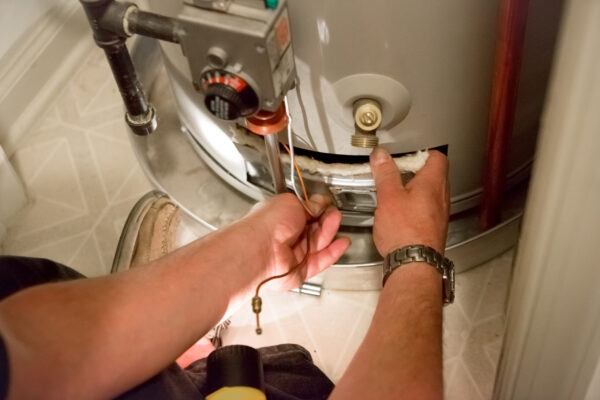
Hot water heaters use electricity or gas, so electrical issues are serious. Flickering power, tripped breakers, or burning smells are red flags. Do not try to fix electrical problems yourself. A licensed technician handles wiring and controls to prevent hazards.
Credit: black-haak.com
Frequently Asked Questions
Why Is My Hot Water Heater Not Heating Enough?
Your heater might have a faulty thermostat, sediment buildup, or a broken heating element. Regular maintenance can prevent this.
How Do I Fix A Water Heater Not Getting Very Hot?
Check the thermostat settings first. Flush the tank to remove sediment and test the heating elements for faults.
Can A Water Heater’s Temperature Setting Cause Low Heat?
Yes, incorrect thermostat settings can limit hot water temperature. Adjusting the thermostat can solve the problem quickly.
Does Sediment Buildup Affect Hot Water Heater Efficiency?
Sediment buildup reduces heating efficiency by insulating the heating element. Flushing the tank regularly improves heat output and lifespan.
Conclusion
A hot water heater not getting very hot can cause daily troubles. Check the thermostat settings and heating elements first. Sediment buildup often lowers water temperature. Regular maintenance helps keep your heater working well. If problems continue, calling a professional is wise.
Staying on top of repairs saves money and stress. Warm water makes life easier and more comfortable. Take care of your heater to enjoy steady hot water. Simple steps can fix many common issues quickly. Don’t ignore warning signs; act early for best results.