
If you need to turn off your electric water heater, you might be wondering where to start and how to do it safely. Whether you’re planning maintenance, going on vacation, or just want to save energy, knowing the right steps can save you time and prevent accidents.
In this guide, you’ll learn exactly how to switch off your electric water heater quickly and easily—even if you’ve never done it before. Keep reading, and by the end, you’ll feel confident handling your water heater like a pro.
Locate The Water Heater
Finding your electric water heater is the first step to turning it off safely. Most water heaters are easy to spot once you know where to look. This helps you take control of your home’s hot water system quickly.
Electric water heaters can be in different spots in your house. Knowing the common locations saves time and effort. It also prevents any confusion during an emergency or maintenance.
Check Your Utility Room Or Basement
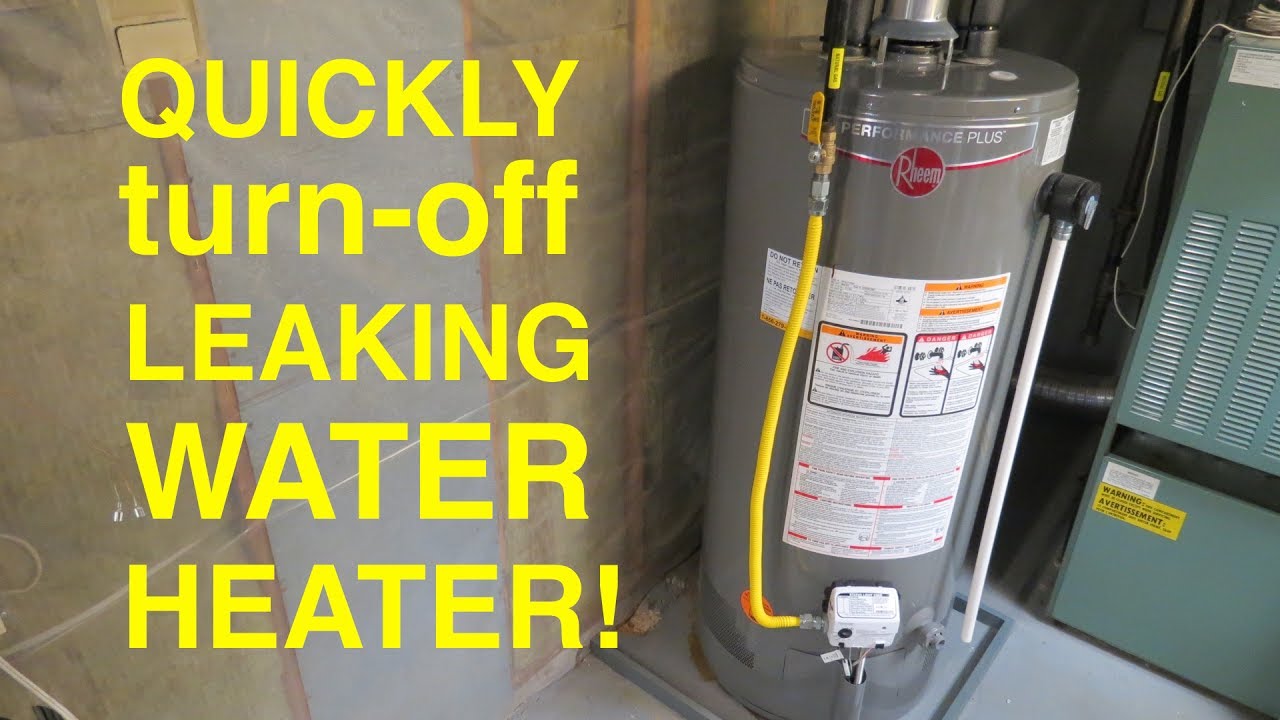
Many homes keep the water heater in the utility room or basement. These spaces usually store appliances and heating systems. Look for a large tank with pipes coming in and out. It often has a metal or plastic cover.
Look Near The Garage
In some houses, the water heater sits near or inside the garage. Check the corners or walls where pipes run. The garage often offers easy access for repairs or replacements.
Inspect Closets Or Hallways
Smaller homes may have water heaters in closets or hallways. Look for small doors or panels that might hide the unit. These spots keep the heater out of sight but reachable.
Identify The Electric Power Source
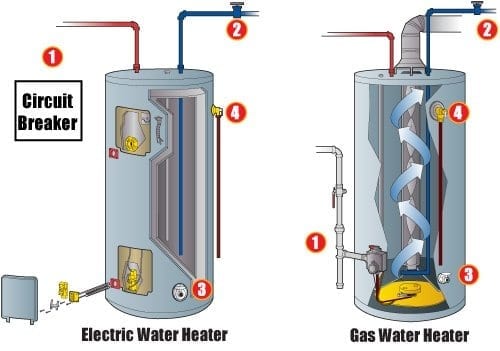
The electric water heater connects to a power source. Find the breaker box or power switch nearby. This helps you turn off electricity safely before working on the heater.
Credit: theiideacompany.com
Switch Off The Power Supply
Switching off the power supply is the first step to safely turn off your electric water heater. It stops electricity from reaching the unit. This prevents any risk of electric shock or damage. Always ensure the heater is completely disconnected from power before doing any work.
Turn Off Circuit Breaker
Locate your home’s electrical panel. Find the breaker labeled for the water heater. Flip this breaker to the OFF position. This cuts power to the heater instantly. Check that the water heater is no longer running. This method is safe and quick.
Unplug The Heater (if Applicable)
Some electric water heaters have a plug. If yours does, simply pull it out from the wall socket. This disconnects power without opening the electrical panel. Use this method only if your heater has a plug. It is the easiest way to switch off the power supply.
Shut Off The Water Supply
Shutting off the water supply is a key step to safely turn off your electric water heater. This stops water from entering the tank. It helps prevent leaks and flooding while you work on the heater.
Knowing how to stop the water flow can save you time and money. It also protects your home from water damage.
Locate The Main Water Valve
Find the main water valve for your house first. It is usually near the water meter or where the main pipe enters your home. The valve might be a round wheel or a lever.
Turn The Valve Clockwise
Turn the valve handle clockwise to close it. This stops the water flow to your whole house, including the water heater. Make sure it is fully closed to avoid any leaks.
Check The Water Flow
Open a faucet in your home to check if water stops flowing. If water keeps running, the valve may not be fully closed. Tighten it more until the water stops.
Locate The Water Heater’s Shutoff Valve
Find the shutoff valve on the cold water pipe going into the water heater. It is usually above the heater tank. This valve lets you stop water flow directly to the heater.
Turn Off The Water Heater Valve
Turn this valve clockwise to close it. This cuts off water supply to the electric water heater. It helps prevent water from entering the tank while the heater is off.
Drain The Water Heater (optional)
Draining the water heater is optional but helpful. It removes sediment that builds up inside the tank. This helps your heater work better and last longer. Draining also prepares the tank for repairs or moving.
Attach A Hose To The Drain Valve
Find the drain valve near the bottom of the tank. Attach a garden hose to the valve. Make sure the hose fits tightly to avoid leaks. Place the other end of the hose outside or in a drain.
Open The Drain Valve
Turn off the water supply to the heater first. Open the drain valve slowly to let water flow out. Be careful; the water may be hot. Opening the valve fully speeds up draining but watch for splashes.
Flush The Tank
After draining, turn the cold water supply on briefly. This flushes out leftover sediment inside the tank. Repeat flushing until the water runs clear. Close the drain valve and remove the hose once done.
Safety Tips While Turning Off
Turning off an electric water heater requires care to avoid accidents. Safety matters most to protect yourself and your home. Follow simple steps to stay safe during the process.
Electric water heaters use high voltage. This can cause shocks or fires if handled wrong. Take precautions before touching any parts or switches.
Turn Off The Power Supply
Locate your circuit breaker panel first. Switch off the breaker connected to the water heater. This stops electricity flow and lowers shock risks.
Wear Protective Gear
Use rubber gloves and safety glasses. These protect your hands and eyes from electric sparks or hot water leaks. Always be cautious.
Check For Hot Water
Wait for the water inside to cool. Hot water can burn your skin if released suddenly. Be patient before starting any work.
Avoid Wet Areas
Stand on dry ground while turning off the heater. Water and electricity do not mix well. Keep the area clean and dry to stay safe.
Use Tools Carefully
Use insulated tools if needed. This reduces the chance of electric shock. Never touch wires or terminals with bare hands.
Credit: www.4donnellys.com
When To Turn Off Your Water Heater
Knowing when to turn off your electric water heater helps save energy and prevent damage. Sometimes, the water heater runs without need. Other times, turning it off protects the unit and your home.
Recognizing the right moments to switch off the heater improves its lifespan and lowers bills. Here are key times to consider turning off your water heater.
During Extended Absences
Going on vacation or a long trip? Turn off the water heater. No need to heat water while away. It saves electricity and reduces risk of leaks.
During Home Repairs
When plumbing or electrical work happens, turn off the water heater. This prevents accidents and damage. It also keeps workers safe.
In Case Of Leaks Or Malfunctions
Spot leaks or unusual noises? Switch off the heater immediately. This stops water damage and electrical hazards. Call a professional to check the unit.
During Power Outages
Power cuts can harm your water heater. Turn off the unit to avoid problems when power returns. It protects the heating elements and wiring.

Credit: compassbank.us
Conclusion
Turning off an electric water heater is simple and safe. Always switch off the power before starting. Use the breaker panel or the water heater switch. Doing this saves energy and prevents accidents. Regularly check your water heater for any issues.
Knowing how to turn it off helps during repairs or emergencies. Stay safe and keep your home running smoothly. This small step makes a big difference in your daily routine.