
Is your Suburban water heater acting up and leaving you cold? The gas valve might be the hidden culprit.
When your water heater doesn’t work right, it can disrupt your entire day. But don’t worry—you don’t have to be an expert to figure out what’s wrong. In this guide, you’ll discover simple, clear steps to troubleshoot your Suburban water heater’s gas valve.
By the end, you’ll know exactly how to spot common issues and take action, saving you time and frustration. Ready to get your hot water flowing again? Let’s dive in.
Common Gas Valve Issues
Gas valves are key parts of Suburban water heaters. They control the flow of gas to heat water. Problems with gas valves cause the heater to fail or work poorly. Knowing common issues helps fix the heater faster. It also keeps your home safe from gas risks.
Gas Valve Not Opening
The gas valve must open to let gas flow to the burner. Sometimes, the valve stays closed. This stops the heater from lighting. Dirt, rust, or a faulty thermostat can cause this. Check if the thermostat sends power to the valve. Clean any dirt or debris around the valve. Replace the valve if it does not open.
Gas Valve Stuck Closed
A stuck closed valve blocks gas flow even when the heater needs heat. This can happen due to mechanical failure or corrosion inside the valve. The heater will not produce hot water. Try tapping the valve gently to free it. If it remains stuck, replace it to restore function.
Gas Leak Detection
Gas leaks are dangerous and must be found early. Smell gas or hear a hissing sound near the valve. Use a soap and water mix on the valve connections. Bubbles mean a leak is present. Turn off the gas supply immediately and call a professional. Never ignore a gas leak for safety.
Safety Precautions
Working on a Suburban water heater gas valve needs care. Safety comes first to avoid accidents. Small mistakes can cause big dangers. Follow safety steps strictly before starting any repair or check.
Shutting Off Gas Supply
Turn off the gas supply before touching the valve. Locate the main gas valve near the water heater. Twist it to the off position to stop gas flow. This prevents gas leaks and possible explosions. Never try to fix the valve with the gas on.
Ventilation And Fire Hazards
Keep the area well-ventilated to avoid gas build-up. Open windows and doors to let fresh air in. Remove anything that can catch fire nearby. Flames or sparks can ignite gas, causing fires. Always check for gas smells before starting work.
Using Protective Gear
Wear gloves and safety glasses to protect your hands and eyes. Gloves stop cuts and burns during repairs. Glasses shield eyes from debris and splashes. Avoid loose clothing that may catch on parts. Safety gear lowers the risk of injury.
Tools Needed For Troubleshooting
Troubleshooting a Suburban water heater gas valve requires specific tools. These tools help identify problems quickly and safely. Having the right equipment saves time and avoids guesswork.
Each tool serves a unique purpose. Some check electrical parts, while others measure gas pressure or find leaks. Knowing how to use these tools is important for effective troubleshooting.
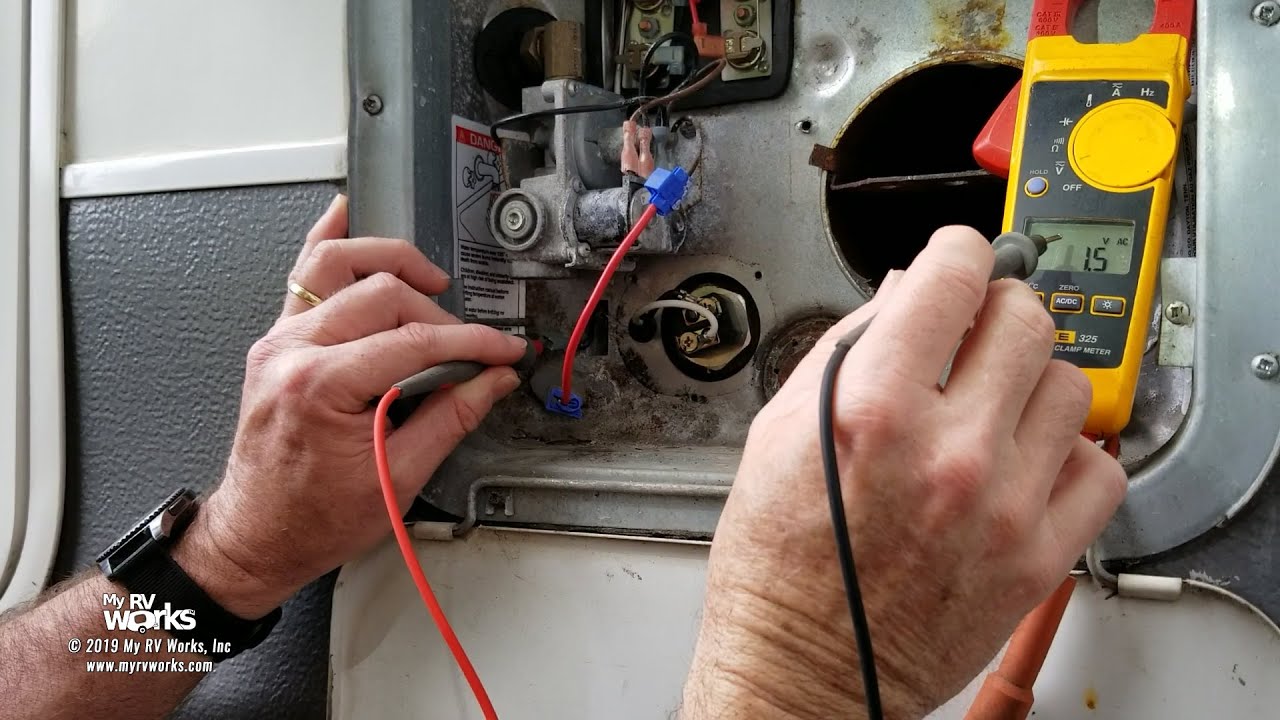
Multimeter Usage
A multimeter checks electrical components of the gas valve. It measures voltage, current, and resistance. This helps find faulty wiring or broken parts. Set the multimeter to the correct mode before testing. Always follow safety rules to avoid electric shock.
Pressure Gauge Checks
A pressure gauge measures the gas pressure inside the water heater. Proper pressure ensures safe and efficient operation. Connect the gauge to the gas line to see the reading. Low or high pressure indicates a problem with the valve or supply.
Leak Detection Tools
Leak detection tools find gas leaks around the valve and connections. Soap solution or electronic leak detectors are common options. Soap bubbles appear where gas escapes. Electronic detectors sound an alarm for hidden leaks. Detecting leaks early prevents dangerous situations.
Credit: www.youtube.com
Step-by-step Troubleshooting
Troubleshooting the gas valve on your Suburban water heater can seem tricky. Taking clear, simple steps helps solve most problems fast. Follow these steps carefully to find the issue and fix it safely.
Inspecting The Gas Valve
Start by examining the gas valve for any visible damage or dirt. Look for cracks, rust, or signs of wear. Clean the valve gently using a soft brush or cloth. Check that the valve moves smoothly without sticking. A stuck valve can block gas flow and stop your heater.
Testing Electrical Connections
Next, test all electrical connections linked to the gas valve. Make sure wires are tight and not corroded. Use a multimeter to check for power at the valve terminals. No power means a wiring or control board issue. Loose wires or bad connections can cause the valve to fail.
Checking Thermostat Signals
The thermostat controls when the gas valve opens. Check if the thermostat sends the correct signals. Use a multimeter to measure voltage from the thermostat to the valve. No signal means the thermostat might be faulty or set too low. Adjust or replace the thermostat as needed.
Resetting The Gas Valve
Some gas valves have a reset button or switch. Press the reset to clear errors or lockouts. Turn off the water heater before resetting to avoid hazards. Wait a few seconds, then turn it back on. This step can restore normal operation if the valve was tripped by a safety feature.
When To Replace The Gas Valve
Knowing when to replace the gas valve in your Suburban water heater is crucial for safety and efficiency. The gas valve controls the flow of gas to the burner, so any problems can affect heating performance or cause hazards. Understanding the signs of wear and damage helps prevent bigger issues.
Replacing the gas valve is sometimes the best option. It keeps your water heater running smoothly and safely. Cost and repair choices play a big role in deciding whether to replace the part.
Signs Of Wear And Damage
Look for cracks or corrosion on the gas valve body. These show physical damage. The valve may also leak gas or fail to open and close properly. Strange noises or inconsistent heating can signal internal valve issues. Frequent pilot light outages often point to valve problems. Any visible damage or malfunction means the gas valve needs attention.
Cost Vs Repair Considerations
Repairing a gas valve might seem cheaper at first. But repairs often last only a short time. New valves offer better safety and longer service life. Compare the cost of a new valve with repair fees and possible future repairs. A new valve can save money on energy and maintenance later. Choose replacement if repairs cost close to or more than a new valve.
Professional Replacement Tips
Always hire a licensed technician for gas valve replacement. Gas work requires special tools and safety checks. The professional will turn off the gas supply before starting. They will test the new valve for leaks and proper operation. After installation, the water heater needs a full safety inspection. Proper replacement prevents gas leaks and fire hazards. Never try to replace the gas valve yourself.
Credit: anteris.com.mx
Preventive Maintenance Tips
Keeping your Suburban water heater’s gas valve in good shape is key. Preventive maintenance helps avoid sudden breakdowns and costly repairs. Simple steps can extend the life of your water heater.
Regular care keeps the system running smoothly. It also improves safety by reducing gas leaks or malfunctions. Follow these easy maintenance tips to keep your water heater reliable.
Regular Cleaning
Clean the gas valve area often. Dust and dirt can block the valve and cause problems. Use a soft cloth or brush to remove debris gently. Avoid water or harsh cleaners near the valve. This keeps the parts working well and stops corrosion.
Routine Inspections
Check the gas valve monthly for signs of wear or damage. Look for rust, cracks, or loose connections. Listen for unusual noises or gas smells. Early spotting of issues prevents bigger failures. Call a professional if you find anything suspicious.
Proper Usage Guidelines
Follow the manufacturer’s instructions for using the water heater. Do not change settings beyond recommended limits. Avoid turning the gas valve on and off frequently. Proper use lowers stress on the valve and improves performance. It also helps save energy and reduces risks.

Credit: www.youtube.com
Conclusion
Troubleshooting your Suburban water heater gas valve can save time and money. Start with basic checks like gas supply and valve connections. Small issues often cause big problems. Stay safe by turning off power before inspecting parts. Regular maintenance helps keep your water heater working well.
Simple steps can restore hot water quickly. Don’t ignore warning signs or unusual smells. Understanding these tips makes fixing easier. Keep your heater running smoothly for comfort and safety.