
Are you planning to install or replace a water heater in Texas? Navigating through code requirements can feel overwhelming, but understanding these regulations is crucial to ensure your home’s safety and compliance.
This isn’t just about ticking off boxes; it’s about safeguarding your investment and peace of mind. You might wonder, what exactly do you need to know about these codes? Or perhaps you’re concerned about potential pitfalls that could lead to costly mistakes.
The good news is, you’re not alone, and this article is here to guide you through the essential water heater code requirements in Texas. With clear, straightforward insights, you’ll gain the knowledge needed to make informed decisions, avoiding common errors and ensuring a seamless installation process. Dive in to discover how you can confidently tackle this project with ease and efficiency.
Texas Plumbing Code Requirements
The Texas Plumbing Code covers all water heater installations. It ensures safety and efficiency. All residential and commercial buildings must follow the code. The rules protect against leaks and other issues. The code applies to new and old buildings.
In Texas, water heater installations must adhere to specific code requirements to ensure safety and efficiency. These regulations encompass aspects such as the type of water heater, its capacity, and the installation process. Compliance with the Texas State Plumbing Code is essential, as it outlines the necessary standards for both residential and commercial water heaters.
Additionally, the installation must include proper venting systems for gas water heaters to prevent the accumulation of harmful gases. Electric water heaters also have specific electrical requirements that must be met, including appropriate circuit breakers and wiring. Local building codes may impose further stipulations, so it is crucial for installers to be familiar with both state and local regulations.
Having a permit means the work is legal. It protects against future issues. Both permits and inspections are crucial. They ensure the heater works well. Always hire a certified plumber. They know all the rules.
Texas Water Heater Installation Guidelines
Water heaters need a safe place. They should not block any doors. They must be away from flammable items like paper or gasoline. Some houses have small spaces. Use a compact water heater for these homes. Make sure the heater has room for maintenance. Technicians need access to check and fix it.
Good ventilation is important. Water heaters need fresh air to work safely. Without air, they might not burn fuel well. This can cause dangerous gas to build up. Rooms with heaters should have vents. These vents let fresh air in and bad air out. Always check if vents are clear. Blocked vents can be harmful.
Electrical And Gas Connections
Wiring must be safe and properly grounded. Use the right circuit breaker. The water heater needs a dedicated circuit. This prevents overload. Wire size is important. It must match the heater’s power. Incorrect sizing can cause fires. Always check the manufacturer’s guidelines. Installations must comply with local codes. Electric connections should be tight. Loose connections are risky. Inspect regularly for safety.
Gas supply must be stable and secure. Use approved piping materials. Check for leaks often. Gas valves must be accessible. They should shut off quickly. Proper ventilation is crucial. It prevents gas buildup. Pipes must be the right size. This ensures efficient gas flow. Installation should be by a qualified technician. Adhere to Texas regulations. Safety is the top priority.
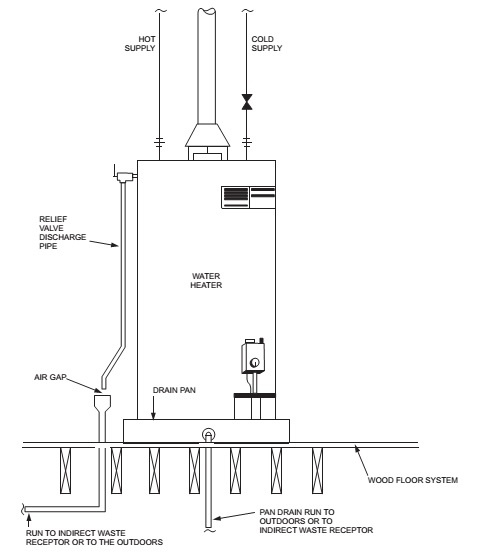
Credit: codes.iccsafe.org
Temperature And Pressure Regulations
Temperature control devices are crucial for safety. They help keep water at safe levels. These devices prevent water from getting too hot. Too hot water can cause burns. Kids need extra care. Devices must be checked often. Proper checks keep them working well. Regular checks stop accidents.
Pressure relief mechanisms are also important. They prevent too much pressure. Too much pressure can cause damage. Damage can be costly. Relief mechanisms help stop leaks. They keep water heaters safe. Safe heaters last longer. Long-lasting heaters save money.
Safety And Efficiency Codes
Texas has strict energy efficiency and water heater installation code requirement standards for water heaters. These standards ensure the reduction of energy use. Water heaters must meet specific energy ratings. This helps save money on bills. It also helps the environment. Choosing the right heater is important. It ensures you follow the law. It also helps in using less energy.
Safety is a priority in Texas. Water heaters must have proper installation. This prevents any accidents. Regular checks are needed. This ensures that heaters work safely. Follow all safety protocols to avoid risks. It’s crucial to protect your home. Safety codes include venting guidelines. These stop dangerous fumes. Keeping your family safe is important.
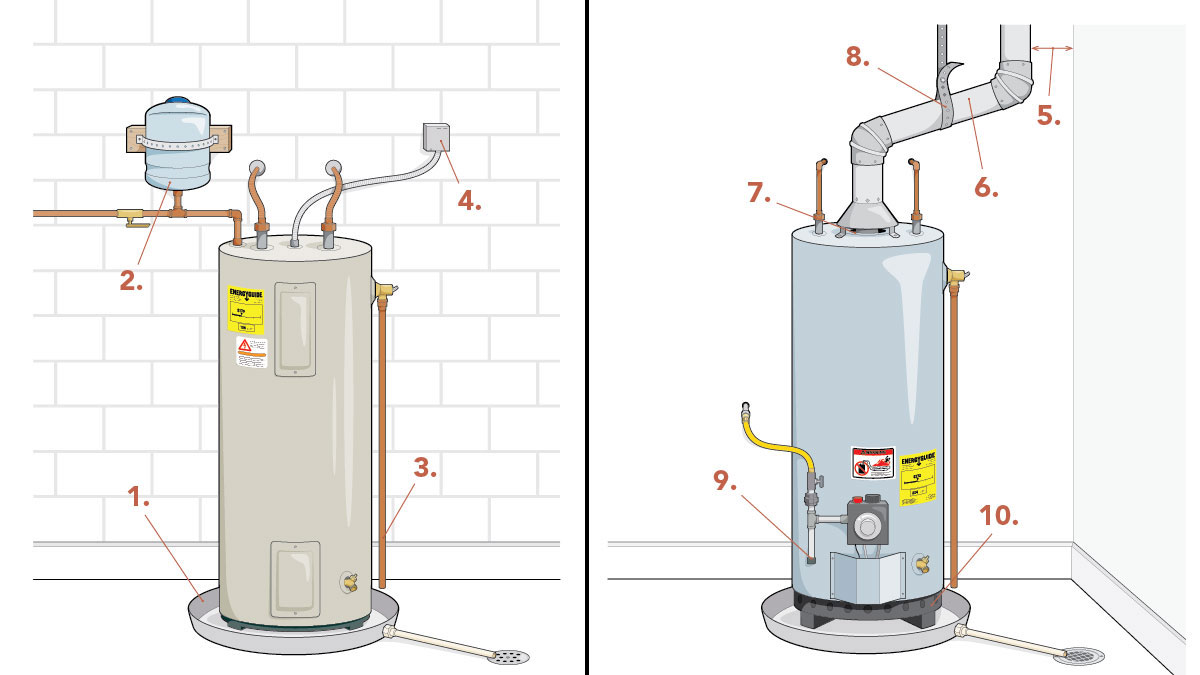
Credit: www.finehomebuilding.com
Compliance And Enforcement
Inspectors check if water heaters meet all Texas safety codes. They ensure proper installation and functioning. Inspectors look for correct venting and clearance. Gas heaters need special checks. Safety is a top concern. All connections must be secure. Inspectors confirm correct temperature settings. They also check for leakages. Every part must comply with the rules. Inspections are regular and thorough. They help avoid accidents.
Non-compliance with water heater codes leads to serious penalties. Fines are common for rule breakers. More violations mean higher fines. Repeat offenders face strict actions. Authorities may issue stop-work orders. Homes might face utility disconnections. Non-compliance can increase insurance costs. Safety risks rise with non-compliance. Following the rules is essential. It ensures safety for everyone.
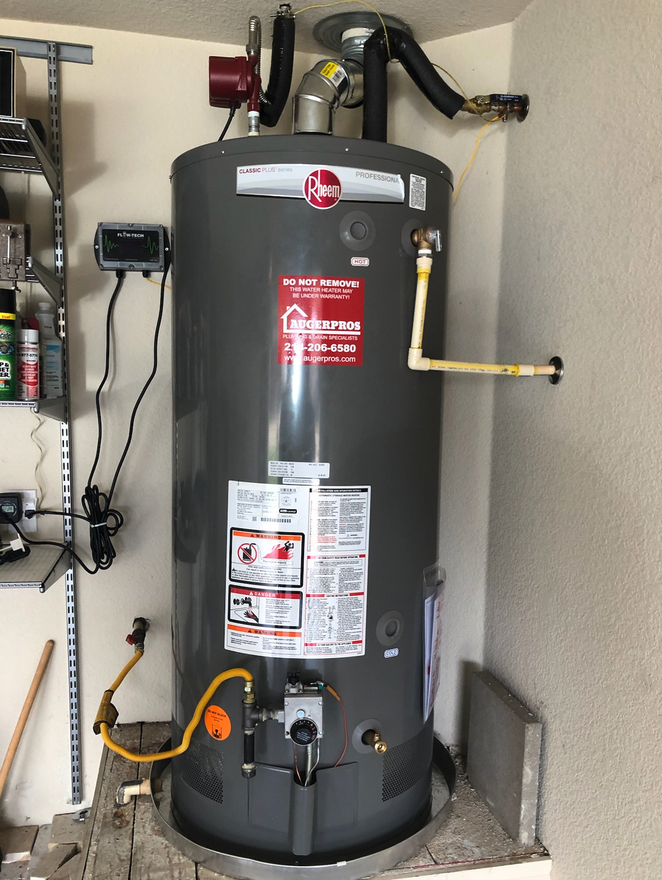
Credit: augerpros.com
Conclusion
Know about Texas water heater codes is essential for safe installations. These rules protect homes from hazards and ensure efficient operation. Check local regulations before starting any installation. Compliance prevents costly penalties and keeps systems running smoothly. Always consult professionals for guidance.
They offer expertise and ensure proper adherence to codes. Stay informed and safeguard your home effectively. Knowledge of regulations is a smart step toward safety. Regular inspections help maintain compliance and performance. Protect your investment by following these guidelines. A well-maintained water heater enhances comfort and peace of mind. Keep your home secure and energy-efficient by following Texas code requirements.