Is your water heater drain valve refusing to close? This small problem can quickly turn into a big headache.
If you’re dealing with a leaking valve, you might be wasting water, energy, and even risking damage to your home. But don’t worry—understanding why your drain valve won’t close and how to fix it can save you time, money, and stress.
Keep reading to discover simple steps you can take right now to solve this issue and keep your water heater running smoothly.

Credit: www.uswhpro.com
Common Causes Of Drain Valve Issues
Drain valve issues in water heaters cause leaks and water waste. Understanding common causes helps fix the problem quickly. This section explains key reasons why a drain valve won’t close properly.
Worn Out Valve Components
Valve parts wear out over time. The rubber washers or seals inside can crack or break. When these parts fail, the valve cannot close tightly. This leads to slow leaks or continuous dripping.
Sediment Buildup
Minerals and debris settle at the tank bottom. Sediment can clog the valve or stop it from sealing. This buildup makes the valve hard to close fully. Regular flushing helps reduce sediment problems.
Corrosion And Rust
Water and metal react inside the tank. Corrosion forms on the valve and nearby pipes. Rust weakens the valve’s metal parts. This damage causes the valve to stick or leak.
Improper Valve Installation
Incorrect installation affects valve function. If the valve is not tight or aligned, it won’t close well. Poor installation can also damage valve threads. Always check installation to avoid future leaks.

Credit: www.uswhpro.com
Tools And Materials Needed
Fixing a water heater drain valve that won’t close requires the right tools and materials. Having these ready saves time and avoids frustration. It ensures a smoother repair process. Here is what you will need.
Basic Plumbing Tools
Start with a pipe wrench or adjustable wrench. These help loosen or tighten the valve. A screwdriver is useful for removing screws or parts. Pliers come handy for gripping and turning small components. A bucket catches water when draining. Rags or towels clean up spills quickly. A flashlight helps see inside dark spaces.
Replacement Parts
A new drain valve often fixes the problem. Check your water heater’s model to get the right size. Valve washers or seals may need replacement too. These parts stop leaks and help the valve close properly. Keep extra washers and seals on hand for a better job.
Cleaning Supplies
Mineral deposits can block the valve from closing. Use vinegar or a mild descaling solution to clean parts. A small wire brush or old toothbrush removes buildup. Clean parts allow the valve to work smoothly again. Gloves protect your hands during cleaning.
Step-by-step Valve Repair
Fixing a water heater drain valve that won’t close requires careful steps. This guide walks you through each part of the repair. Follow these steps to fix the valve safely and effectively.
Shutting Off Power And Water
First, turn off the power to the water heater. Switch off the circuit breaker for electric heaters. For gas heaters, turn the gas valve to off. Next, close the main water supply to the heater. This prevents water flow during repair.
Draining The Water Heater
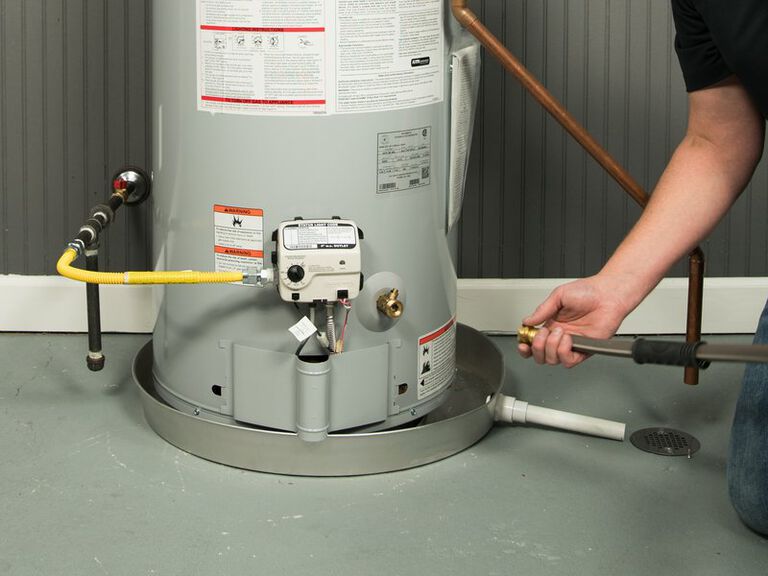
Attach a garden hose to the drain valve. Run the hose to a safe drainage area. Open the drain valve slowly. Let the water flow out until the tank is empty. This step reduces pressure and water inside the tank.
Inspecting The Valve
Look closely at the drain valve. Check for cracks or damage on the valve body. See if the valve handle turns smoothly. Notice any debris or mineral buildup inside the valve. This inspection helps identify the problem.
Cleaning The Valve Components
Remove the valve handle carefully. Use a cloth to wipe off dirt and rust. Clean inside the valve opening with a small brush. Clear any stuck debris that blocks the valve. Cleaning may help the valve close properly.
Replacing The Valve If Necessary
If cleaning does not fix the valve, replace it. Buy a new drain valve of the same size. Use a wrench to unscrew the old valve. Wrap plumber’s tape on the new valve threads. Screw the new valve firmly into place.
Testing For Leaks
Close the drain valve handle tightly. Turn on the water supply slowly. Check around the valve for any water leaks. Turn the power back on to the heater. Watch the valve for leaks during heating.
Preventing Future Valve Problems
Preventing valve problems on your water heater saves time and money. Regular care keeps the valve working well. Small actions stop bigger issues. Follow easy steps to protect the drain valve. These tips help your water heater last longer and work better.
Regular Maintenance Tips
Check the valve every few months. Look for leaks or rust. Tighten loose parts carefully. Clean around the valve to stop dirt buildup. Catch problems early with simple inspections.
Flushing The Water Heater
Flush the tank once a year. This removes sediment that clogs valves. Use cold water and open the drain valve slowly. Flushing keeps water moving and parts clean. It helps the valve close smoothly.
Using Quality Valve Parts
Choose strong, durable valves for replacement. Cheap parts wear out fast and cause leaks. Use valves made for your heater model. Good parts fit well and last longer. This reduces the chance of the valve failing.
When To Call A Professional
Knowing when to call a professional for a water heater drain valve that won’t close is important. Some problems need expert help to fix safely and correctly. Acting fast can prevent bigger damage and extra costs.
Signs Of Major Damage
Water leaking constantly from the valve is a clear sign of damage. Rust or corrosion around the valve means it may fail soon. If the valve is stuck or broken, repair is likely beyond simple fixes. Strange noises or water stains near the heater also warn of serious issues.
Safety Concerns
Water heaters hold hot water and pressure. A damaged valve can cause leaks that lead to water damage or burns. Trying to fix it without experience can cause injury. Professionals have the tools and skills to handle these risks safely.
Complex Repairs Beyond Diy
Some valve problems need special tools or parts. When the valve won’t close, it may require full replacement or pipe repair. These tasks need plumbing knowledge and experience. Calling a professional ensures the job is done right and your heater works well again.
Credit: www.hotwater.com
Frequently Asked Questions
Why Won’t My Water Heater Drain Valve Close?
The valve may be damaged, clogged, or corroded. Debris often blocks the seal. Replacing the valve usually fixes the issue.
How To Fix A Leaking Water Heater Drain Valve?
Turn off the water supply and drain the tank. Tighten or replace the valve if it leaks. Use plumber’s tape for a better seal.
Can Sediment Cause Water Heater Drain Valve Issues?
Yes, sediment buildup can block or damage the valve. Regular flushing helps prevent this problem and extends your water heater’s life.
Is It Safe To Leave A Water Heater Drain Valve Open?
No, leaving it open causes water leaks and possible flooding. Always close the valve after draining or maintenance to avoid damage.
Conclusion
A water heater drain valve that won’t close can cause leaks and waste water. Fixing it quickly saves money and prevents damage. Check the valve for dirt or damage first. Sometimes, cleaning or tightening the valve works well. If problems persist, a replacement might be necessary.
Regular maintenance keeps your water heater working smoothly. Don’t ignore small issues—they can grow bigger fast. Keep your home safe and comfortable by acting early. Simple steps can avoid costly repairs later.