
If you own a water heater, understanding the pressure relief valve is crucial for your safety and the appliance’s performance. One key detail often overlooked is the thread size of this valve.
Why does it matter to you? Because choosing the wrong size can lead to leaks, damage, or even dangerous pressure build-up. You’ll discover exactly what the water heater pressure relief valve thread size means and how to find the right one for your system.
Keep reading to protect your home and ensure your water heater runs smoothly.
Pressure Relief Valve Basics
The pressure relief valve is a key part of a water heater. It protects the tank from too much pressure. If pressure builds up, the valve opens to release water and lower pressure. This stops the tank from breaking or bursting.
Without this valve, pressure could cause dangerous leaks or explosions. It acts as a safety guard for your home and family. The valve’s size and thread must fit the water heater perfectly to work well.
Credit: marchedescapucins.com
Common Thread Sizes
The most common thread sizes for water heater pressure relief valves are 3/4 inch NPT and 1/2 inch NPT. These sizes fit most residential water heaters. The 3/4 inch NPT is the standard size used by many manufacturers. It ensures a tight and secure connection.
Some manufacturers offer different thread sizes to fit special models. Always check the valve and heater manual for the exact size. Using the wrong thread size can cause leaks or valve failure.
| Thread Size | Common Use | Notes |
|---|---|---|
| 3/4 inch NPT | Most residential water heaters | Standard and widely used |
| 1/2 inch NPT | Smaller or special models | Less common, check manufacturer |
Measuring Thread Size
To measure the thread size of a water heater pressure relief valve, gather a few simple tools. You will need a thread pitch gauge to check thread spacing and a caliper or ruler to measure diameter.
Start by cleaning the valve threads. This helps get an accurate measurement. Use the thread pitch gauge to find the number of threads per inch. Then, use the caliper to measure the outer diameter of the threads. Record both numbers.
Compare these numbers to standard thread sizes to identify your valve’s size. Common thread sizes include 3/4 inch NPT and 1/2 inch NPT. Knowing the size helps find the right replacement valve.
Choosing The Right Valve
Choosing the right pressure relief valve means checking the thread size carefully. The valve must fit the water heater’s outlet perfectly. Thread sizes vary but common ones include 3/4 inch and 1 inch. Make sure to measure the heater’s connection before buying.
Compatibility depends on the thread type too. Some valves use NPT threads, which are common in plumbing. Others might have BSP threads. Using the wrong type can cause leaks or damage.
Avoid common mistakes like forcing a valve that does not fit. This can break the threads or cause leaks. Also, do not guess the size. Always use a thread gauge or check the heater’s manual. Correct fit ensures safe operation and prevents pressure build-up.
Installation Tips
Start by checking the thread size of the pressure relief valve. This ensures a proper fit with your water heater. Clean the valve threads gently to remove dirt or old sealant. Use plumber’s tape on the threads to prevent leaks. Wrap the tape tightly in the direction of the threads.
Attach the valve carefully to avoid cross-threading. Turn it by hand first, then use a wrench for a firm fit. Do not over-tighten; this can damage the valve or heater. Make sure the valve is secure and straight to avoid leaks or malfunctions.

Credit: www.peroe.dk
Maintenance And Replacement
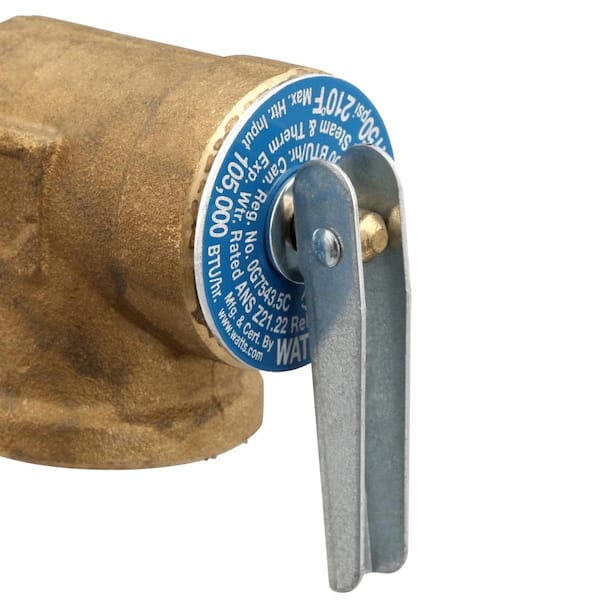
Signs of wear on a water heater pressure relief valve include leaks, rust, and strange noises. A valve that drips water or has visible corrosion may not work properly. Also, if the valve feels stiff or stuck, it could be failing. These problems can lead to dangerous pressure build-up inside the water heater.
When to replace the valve depends on these signs and its age. Most valves last 3 to 5 years. Replace it if leaks or damage appear. Regular checks help find issues early. Never ignore a faulty valve, as it keeps your home safe by releasing extra pressure.
Credit: www.homedepot.com
Frequently Asked Questions
What Is The Standard Thread Size For Water Heater Pressure Relief Valves?
The common thread size for water heater pressure relief valves is 3/4 inch NPT. This size fits most residential water heaters and ensures a secure connection. Always check the valve specifications to confirm compatibility with your heater model.
Why Is Thread Size Important For Pressure Relief Valves?
Thread size ensures a proper fit between the valve and water heater. An incorrect size can cause leaks or valve failure. Proper sizing maintains safety and efficient pressure release, preventing damage to the water heater and plumbing system.
Can I Use A Different Thread Size Valve For My Water Heater?
Using a different thread size is not recommended. It can lead to poor sealing and potential leaks. Always use the valve thread size specified by the manufacturer for safety and optimal performance.
How Do I Measure My Water Heater Pressure Relief Valve Thread?
To measure, use a thread gauge or ruler to check the diameter of the valve’s threaded end. The most common size is 3/4 inch NPT. Proper measurement ensures you buy the correct replacement valve.
Conclusion
Choosing the right pressure relief valve thread size matters a lot. It keeps your water heater safe and working well. Using the wrong size can cause leaks or damage. Always check the valve size before buying or replacing. This small detail saves you time and money later.
Keep your water heater in good shape by paying attention to this part. Simple steps can prevent big problems. Stay safe and keep your home running smoothly.