
Choosing the right water heater size for your family of 3 is more important than you might think. If your water heater is too small, you’ll run out of hot water when you need it most.
Too big, and you’ll waste energy and money. You want a solution that fits your daily needs perfectly, keeps everyone comfortable, and saves you from unnecessary costs. You’ll discover exactly how to find the ideal water heater size for your home, so you can enjoy hot showers and clean dishes without any hassle.
Keep reading to make the smartest choice for your family’s comfort and budget.
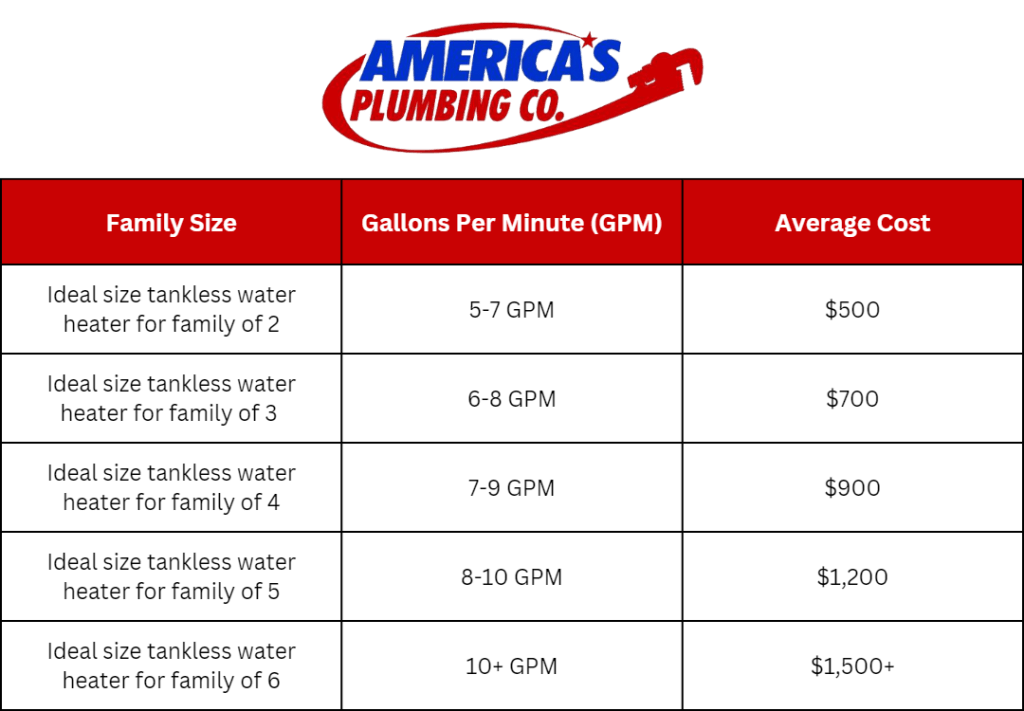
Credit: site-craft.net
Choosing The Right Capacity
Each person in a family usually needs about 10 to 15 gallons of hot water daily. For a family of three, a water heater with a capacity of 40 to 50 gallons works well.
Think about the times when everyone uses hot water together. Morning showers and evening dishwashing can cause high demand. Choosing a heater with a good recovery rate helps keep hot water ready.
Planning for future needs is smart. If the family grows or guests visit often, a slightly larger water heater avoids running out of hot water.
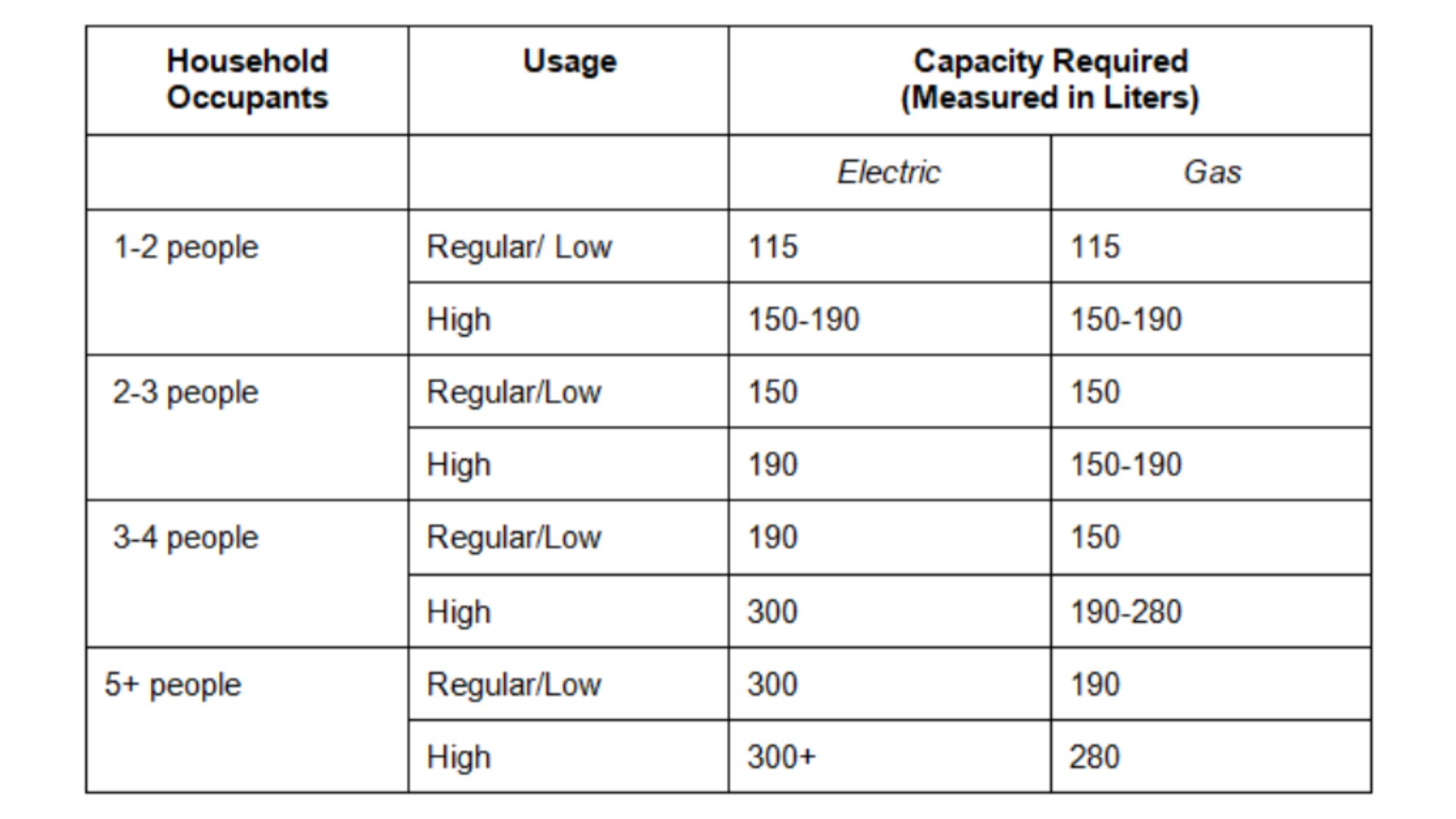
Credit: funphotobooth.com.br
Types Of Water Heaters
Tank water heaters store hot water in a large tank. They are common and cost less upfront. These heaters provide a steady supply but use more energy to keep water hot all day.
Tankless water heaters heat water only when needed. They save energy by not storing water. These are compact and last longer but cost more to install.
Heat pump water heaters move heat from the air to heat water. They use less energy and are eco-friendly. These work best in warm climates and need space for airflow.
Calculating Your Household Demand
Each person in a family uses about 20 gallons of hot water daily. For a family of 3, this means roughly 60 gallons every day. This number helps decide the right water heater size.
Think about how many appliances use hot water at once. Showers, dishwashers, and washing machines often run together. If more devices run at the same time, you need a bigger heater to keep up.
| Activity | Gallons per Use |
|---|---|
| Shower | 10 |
| Dishwasher | 6 |
| Washing Machine | 15 |
Adding these amounts during peak times helps find the right heater size. Remember, a heater should handle simultaneous use without running out of hot water.
Energy Efficiency Considerations
Energy Star ratings help find water heaters that use less power. These models save money on electric bills. Look for heaters with high ratings for best efficiency.
Insulation keeps water hot longer. Better insulation means less heat loss and lower energy use. This helps water stay warm without using extra power.
Recovery rate shows how fast a heater warms water again after use. Higher rates mean quicker hot water supply. This is useful for busy families.
| Feature | Benefit |
|---|---|
| Energy Star Rating | Reduces energy bills by using less electricity |
| Insulation | Keeps water hot longer, saves energy |
| Recovery Rate | Provides hot water faster after use |
Installation And Space Requirements
Check the available space before choosing a water heater. Measure height, width, and depth carefully. Ensure enough room for ventilation and easy maintenance access. Small spaces need compact models or tankless heaters.
Hire a professional installer to avoid mistakes. They know local codes and safety rules. Proper installation saves energy and prevents leaks. Also, place the heater near water usage points to reduce heat loss.
Maintenance And Lifespan
Regular maintenance helps your water heater last longer and work better. Check the temperature setting often, keeping it around 120°F. Flush the tank yearly to remove sediment buildup. This stops damage and keeps water hot. Test the pressure relief valve every six months to avoid leaks or bursts. Inspect the anode rod every 1-2 years; replace it if it’s worn out. This rod stops rust inside the tank.
Signs of replacement include rusty water, strange noises, or water not heating well. If the tank leaks or the heater is over 10-15 years old, it’s time to replace. Sudden drops in hot water or frequent repairs also show the heater may fail soon.
Cost Factors
Initial investment means the price you pay to buy and install the water heater. Bigger heaters cost more. Tankless models often have higher upfront costs than tank models.
Operating costs are the money spent on energy to heat water. Electric heaters usually cost less to install but can use more power. Gas heaters often save money on monthly bills but need a gas line.
Long-term savings come from energy efficiency and durability. Choosing an energy-efficient model saves money over time. Some heaters last longer, reducing replacement costs.
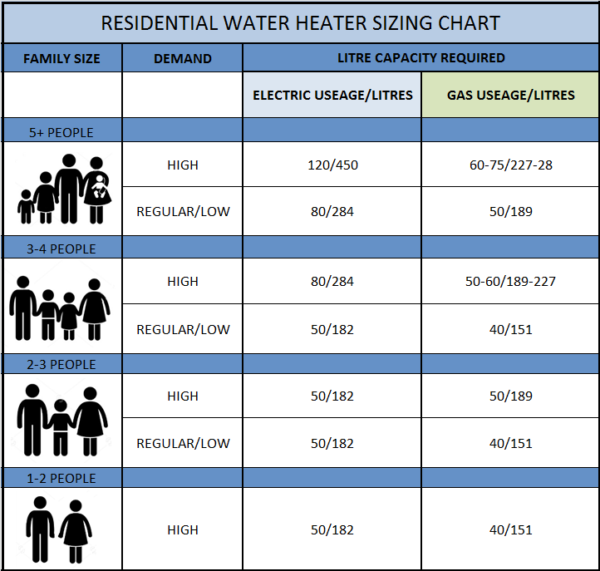
Credit: www.eecusa.com
Frequently Asked Questions
What Size Water Heater Is Ideal For A Family Of 3?
A 30 to 40-gallon water heater usually fits a family of three. It provides enough hot water for daily use without wasting energy.
How To Calculate Water Heater Size For Three People?
Estimate 10-15 gallons per person for peak hour usage. Multiply by three to find the ideal water heater capacity.
Can A 30-gallon Water Heater Serve A Family Of 3?
Yes, a 30-gallon heater can work if water use is moderate. It suits small households with efficient water habits.
Should I Choose Tank Or Tankless For A Family Of 3?
Tank models store hot water, good for consistent use. Tankless units save space and energy but may have flow limits.
Conclusion
Choosing the right water heater size matters for a family of three. It saves energy and keeps hot water ready. A 40 to 50-gallon tank often fits well. Too small means running out of hot water fast. Too big wastes money and energy.
Think about your daily water use. Consider showers, laundry, and dishes. A good size heater keeps everyone happy. It helps your home run smoothly. Simple planning makes a big difference. Hot water should never be a worry.