
Are you struggling to figure out the right water heater size for your family of 7? Choosing the perfect water heater isn’t just about picking the biggest tank you can find.
If it’s too small, you’ll run out of hot water when everyone needs it most. Too large, and you’ll waste energy and money. You’ll discover exactly how to find the ideal water heater size that fits your family’s needs. Keep reading to avoid costly mistakes and enjoy endless hot showers every day.
Factors Influencing Water Heater Size
Household water usage patterns vary a lot in a family of 7. More people mean more hot water needed for showers, washing dishes, and laundry. Each person’s habits affect how much water is used daily. Some may shower longer or use more hot water at once.
Peak hour demand means the times when most hot water is used together. Morning and evening usually see the highest use. A water heater must supply enough hot water to meet this peak without running out quickly.
The type of water heater also affects the size you need. Tank heaters store hot water ready to use, while tankless heaters heat water on demand. Tankless models may require higher flow rates to serve 7 people well.
Energy efficiency considerations help save money and reduce waste. Choosing a water heater with a good energy rating means it heats water using less electricity or gas. This lowers bills and helps the environment over time.
Credit: www.uswhpro.com
Calculating Water Heater Capacity
Estimate the daily water use by adding each person’s needs. A family of 7 usually uses about 70 to 105 gallons per day. This depends on habits and appliances.
Gallons Per Minute (GPM) measures how much water flows during use. For showers, faucets, and appliances, add their GPM rates. For example, a shower uses about 2.5 GPM.
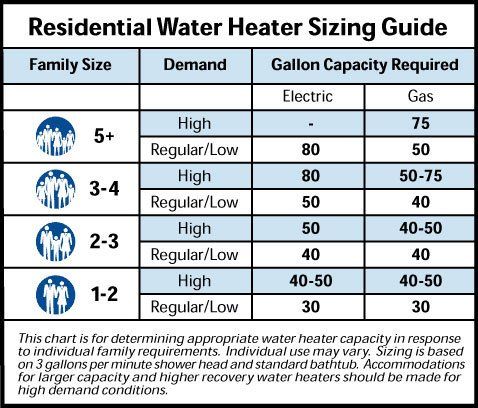
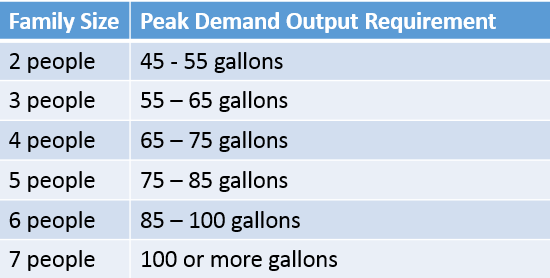
Adjust capacity for family size by multiplying typical use by 7. Add extra for busy mornings or guests. A water heater with at least 75 to 100 gallons usually fits well for 7 people.
Recommended Water Heater Sizes For Large Families
A family of 7 needs a water heater that can handle many hot water uses daily. Tank water heaters with a capacity of 80 to 100 gallons work well. They store hot water and supply it quickly for baths, laundry, and dishes.
Tankless water heaters heat water on demand. For large families, multiple units or a high-capacity model is best. They save space and energy but may struggle with simultaneous use.
Hybrid water heaters combine the features of tank and tankless models. They store some hot water and use heat pumps to save energy. Sizes around 80 gallons are common for families this size.
Credit: blog.htproducts.com
Installation Tips For Optimal Performance
Place the water heater in a dry, cool area with good airflow. Keep it away from direct sunlight and heat sources. Proper ventilation reduces moisture and prevents damage. Check vents regularly for blockages to ensure safe air flow.
Schedule regular maintenance to keep the heater working well. Flush the tank yearly to remove sediment build-up. Inspect the anode rod every 1-2 years to stop rust. Test the pressure relief valve often to avoid leaks or bursts.
Follow strict safety rules during installation and use. Turn off power or gas before any work. Use proper tools and parts for repairs. Keep children away from the heater to prevent burns or injuries. Always hire a professional if unsure about installation.
Energy Saving Tips For Big Households
Insulating your water heater and pipes keeps hot water warmer for longer. This saves energy by reducing heat loss. Use foam pipe sleeves or insulating blankets to cover exposed pipes and the heater tank. This simple step lowers energy costs and boosts efficiency.
Smart thermostats help control water heater temperature based on your family’s needs. Set the temperature to around 120°F (49°C) for safe, efficient heating. Smart devices can reduce energy use by adjusting heat during low-demand times, like at night.
Check your water heater regularly for leaks, corrosion, or strange noises. Clean or replace parts like the anode rod to extend the heater’s life. Routine checks ensure optimal performance and help spot problems early, saving energy and money.
Common Mistakes To Avoid When Choosing Size
Overestimating capacity needs can lead to wasting money and space. A water heater too big costs more to run and takes up room. Choose a size that fits your family’s real use, not just guesses.
Ignoring peak usage times causes running out of hot water at key moments. Think about when everyone showers or uses hot water at once. A heater must handle these busy times well.
Neglecting energy ratings means higher bills and more pollution. Pick a water heater with a good energy rating. This helps save money and the environment over time.

Credit: cen.com.mx
Frequently Asked Questions
What Size Water Heater Is Ideal For A Family Of 7?
A 75 to 80-gallon water heater is ideal for a family of 7. It ensures enough hot water for showers, laundry, and dishes without running out quickly.
How Much Hot Water Does A Family Of 7 Need Daily?
A family of 7 typically needs about 60 to 80 gallons of hot water daily. This covers bathing, cooking, and cleaning needs efficiently.
Should I Choose Gas Or Electric Water Heater For 7 People?
Gas water heaters heat water faster and are more cost-effective for large families. Electric models are easier to install but may have slower recovery times.
Can A Tankless Water Heater Support A Family Of 7?
Yes, but you need a high-capacity tankless model or multiple units. They provide endless hot water but must match the household’s peak demand.
Conclusion
Choosing the right water heater size saves time and energy. A family of seven needs a larger tank to meet daily hot water needs. Think about peak usage times, like mornings and evenings. Too small a heater means running out of hot water.
Too big wastes energy and money. A 50-80 gallon heater usually fits best for seven people. Check your home’s water use habits before buying. Proper sizing keeps everyone comfortable and lowers utility bills. Simple planning makes hot showers stress-free for your whole family.