Are you sure your water heater tank temperature setting is just right? Setting it too high can waste energy and raise your bills, while setting it too low might leave you shivering during your morning shower.
Finding the perfect balance not only saves money but also keeps your water safe and comfortable. You’ll discover how to choose the ideal temperature setting for your water heater tank making your home more efficient and your daily routine easier. Keep reading to learn simple tips that can make a big difference!
Ideal Temperature Range
Setting the right temperature on your water heater tank matters a lot. It affects how comfortable your hot water feels and how safe your family stays. The ideal temperature range keeps water warm enough for daily use but not too hot to cause harm. This balance helps save energy and avoids accidents.
Balancing Comfort And Safety
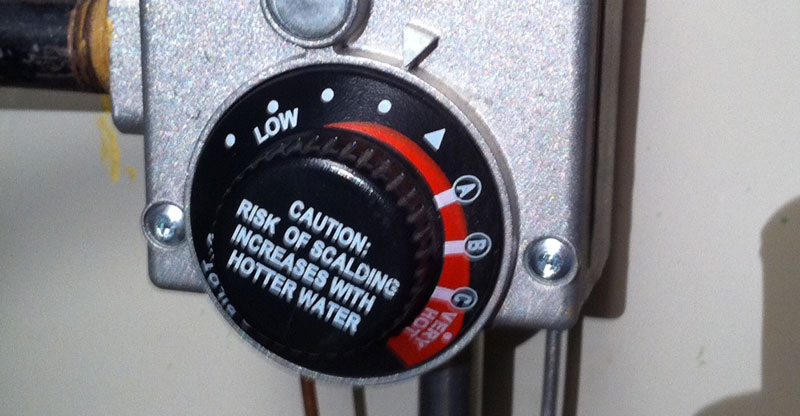
Keep water warm for showers and washing dishes. Set the tank between 120°F and 140°F. This range heats water well without wasting power. It also stops water from feeling cold or too hot. Finding this balance makes your home cozy and efficient.
Preventing Scalding Risks
Hot water above 140°F can burn skin quickly. Children and elderly people face higher risks. Lowering the temperature to 120°F reduces scalding dangers. This setting protects your loved ones from painful burns. Safety should always come first in your home.
Credit: augerpros.com
Energy Efficiency Tips
Setting your water heater tank to the right temperature saves energy and money. Small changes in temperature can lower energy use. This helps the environment and cuts down your bills. Follow simple tips to make your water heater more efficient and keep your home comfortable.
Reducing Energy Consumption
Lower the water heater temperature to 120°F. This stops overheating and saves energy. Avoid setting it too high; it wastes power. Use a timer or smart thermostat to control heating times. Fix leaks and insulate the tank to keep heat longer. These steps reduce the energy your heater uses daily.
Impact On Utility Bills
Reducing water heater temperature can cut your bills by up to 10%. Less energy means lower monthly costs. Watch your bills before and after changing settings. Small savings add up over time. Efficient use of hot water leads to steady bill reduction. Save money while still enjoying hot water at home.
Health Considerations
Setting the right temperature on your water heater tank is important for health. Incorrect temperatures can cause health risks. This section explains how temperature affects water safety and your well-being.
Avoiding Bacterial Growth
Bacteria like Legionella grow in warm water. These bacteria can cause serious illness. Setting the water heater too low helps bacteria multiply. Keep the temperature high enough to stop bacteria growth. This keeps water safe for bathing and drinking.
Safe Water Temperatures
Water should be hot enough to kill germs but not too hot to burn. Experts suggest setting water temperature around 120°F (49°C). This temperature balances safety and comfort. It prevents burns and stops bacteria from growing. Check your water heater’s thermostat to keep it in this safe range.
Adjusting Your Water Heater
Adjusting your water heater temperature is important for safety and comfort. Setting the right temperature helps save energy and prevents scalding. You can easily change the temperature yourself with a few simple steps.
Step-by-step Temperature Setting
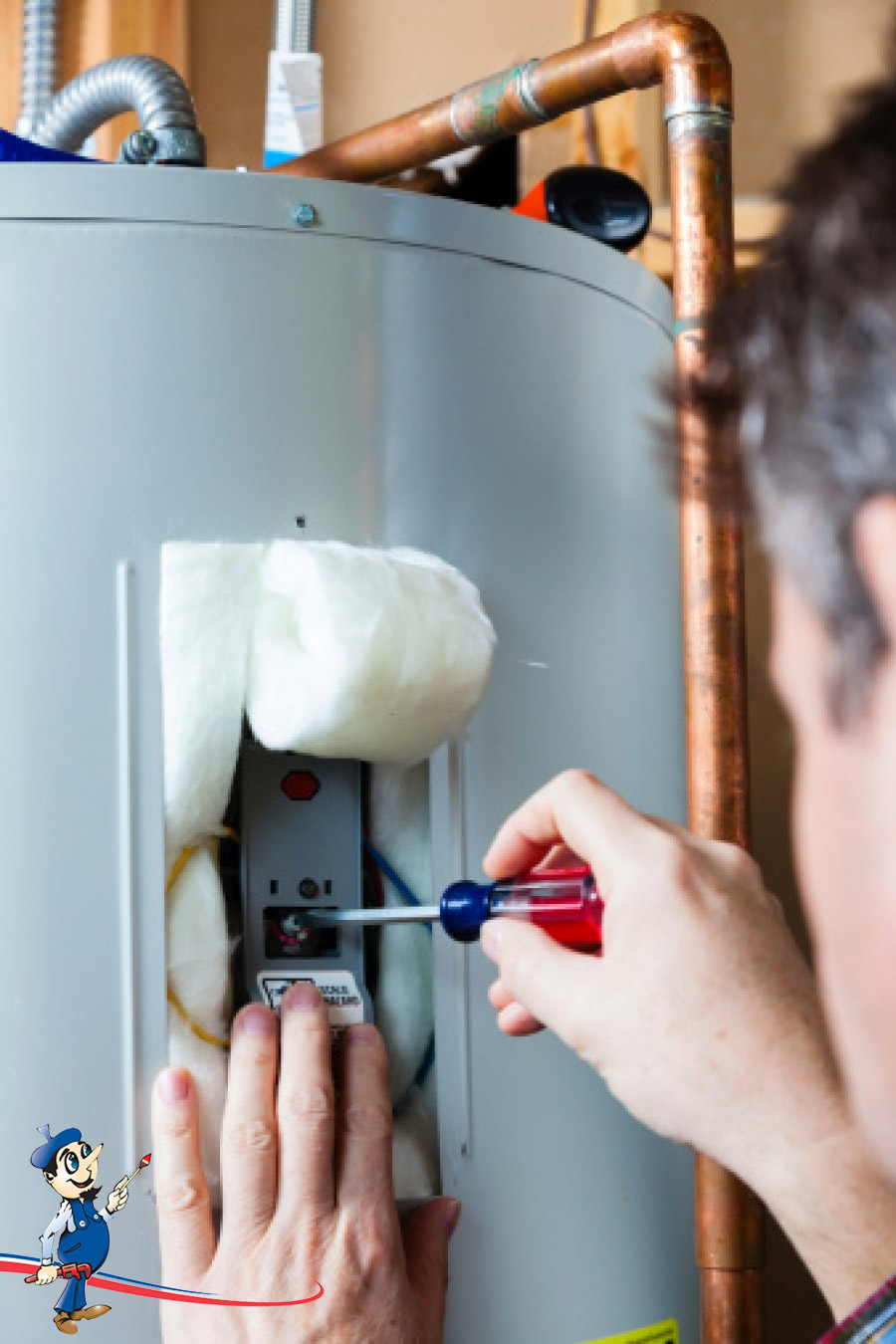
First, locate the thermostat on your water heater. It is usually behind a small panel near the bottom.
Turn off the power or gas supply to the heater. This step keeps you safe while adjusting.
Use a flathead screwdriver to turn the dial on the thermostat. Set it to 120 degrees Fahrenheit for best results.
Close the panel and restore power or gas to the heater. Wait about an hour for the water to reach the new temperature.
Test the water temperature at a faucet to check if it feels right. Adjust again if needed.
Tools And Precautions
Use a flathead screwdriver to adjust most water heater thermostats. A flashlight helps see inside the panel clearly.
Always turn off power or gas before making changes. This prevents shocks or accidents.
Wear gloves for protection from hot surfaces. Avoid touching wires or pipes directly.
Keep children and pets away during the adjustment process. This ensures a safe environment.
Troubleshooting Temperature Issues
Water heater temperature issues can cause frustration and discomfort. Troubleshooting these problems helps restore proper water heat. It saves energy and prevents damage to the heater. Understanding common issues and their signs leads to quick fixes. This section guides through common temperature problems and how to spot them.
Inconsistent Water Temperature
Water temperature that changes often can mean a problem. It could be a faulty thermostat or sediment buildup. Sediment blocks heat transfer, causing cold spots. A broken thermostat fails to maintain a steady temperature. Check for leaks or damaged heating elements too. Fixing these issues restores even water heat.
Signs Of Malfunction
Several signs show the water heater may be failing. Water that is too hot or too cold is a clear warning. Strange noises like popping or rumbling indicate sediment. Water leaks near the tank suggest internal damage. Rusty or discolored water points to corrosion inside. Spotting these signs early avoids bigger repairs.
Credit: www.artplumbingandac.com
Smart Thermostat Integration
Smart thermostat integration makes managing your water heater temperature easier. It connects your water heater to your home Wi-Fi and smart devices. This connection lets you control the temperature remotely and save energy. Smart thermostats learn your habits and adjust settings automatically. This keeps your water at the perfect temperature without wasting power.
Benefits Of Smart Controls
Smart controls offer precise temperature settings for your water heater. They prevent overheating and reduce energy costs. You can set schedules to heat water only when needed. This avoids heating water all day long. Smart thermostats also send alerts if there is a problem. This helps you fix issues early and avoid bigger repairs. They improve your home’s energy efficiency and comfort.
Remote Temperature Management
Remote management lets you change water heater settings from anywhere. Use your phone or tablet to adjust the temperature. This is useful when you are away from home. You can lower the temperature to save energy or raise it before you return. Remote access gives you full control without being near the heater. It makes managing your water heater simple and convenient.
Frequently Asked Questions
What Is The Ideal Temperature Setting For Water Heaters?
The ideal water heater temperature is 120°F (49°C). It prevents scalding, saves energy, and limits bacteria growth. Setting above 120°F wastes energy and risks burns. Lower settings may not effectively kill bacteria.
Why Should I Avoid Setting Water Heater Above 140°f?
Temperatures above 140°F can cause severe burns quickly. High heat wastes energy and stresses the heater components. It also increases the risk of scaling and corrosion inside the tank.
How Does Water Heater Temperature Affect Energy Bills?
Higher temperature settings increase energy consumption. Heating water above 120°F uses more electricity or gas. Lowering the temperature by 10°F can cut energy costs by 3-5%.
Can I Prevent Legionella Bacteria With Water Heater Settings?
Yes, maintaining at least 120°F helps control Legionella growth. Temperatures below 120°F encourage bacteria growth. However, avoid too high settings to prevent burns and energy waste.
Conclusion
Setting the right water heater temperature saves energy and keeps you safe. Too hot can cause burns; too cold may not kill germs. A good setting balances comfort and safety. Check your heater’s manual for the best temperature range. Adjust it as needed for seasons or family needs.
Regular checks help avoid damage and high bills. Keep your water heater working well by setting the right temperature today. Simple steps make a big difference in your home comfort.