
Are you facing trouble with your Reliance water heater? You’re not alone.
Many homeowners rely on these heaters daily, expecting warm water without hassle. But what happens when your heater stops working properly? You might notice strange noises, inconsistent water temperature, or even leaks. These issues can disrupt your routine and cause frustration.
You’ll discover the most common Reliance water heater problems and easy ways to fix them. Keep reading to save time, avoid costly repairs, and get your hot water flowing smoothly again.
Common Reliance Water Heater Issues
Reliance water heaters serve many homes well, but they can face issues over time. Knowing common problems helps you spot trouble early. This guide covers frequent Reliance water heater troubles. It explains symptoms and what to watch for.
#1: No Hot Water
The most obvious problem is no hot water. It means your heater is not warming water at all. Possible causes include a broken heating element or a tripped circuit breaker. Sometimes, a faulty thermostat stops the heater from working.
#2: Water Temperature Fluctuations
Water temperature changes suddenly during showers or washing. This can happen if the thermostat is faulty or the heating element is failing. Temperature swings are annoying and waste energy.
#3: Leaking Tank
Leaks appear as water pools near the base of the heater. A leaking tank means rust or cracks in the metal. Small leaks can become big problems fast. It needs quick repair or replacement.
#4: Strange Noises
Unusual sounds like popping or banging come from the heater. These noises happen due to sediment buildup inside the tank. Sediment hardens and blocks heat transfer. Flushing the tank can fix this issue.
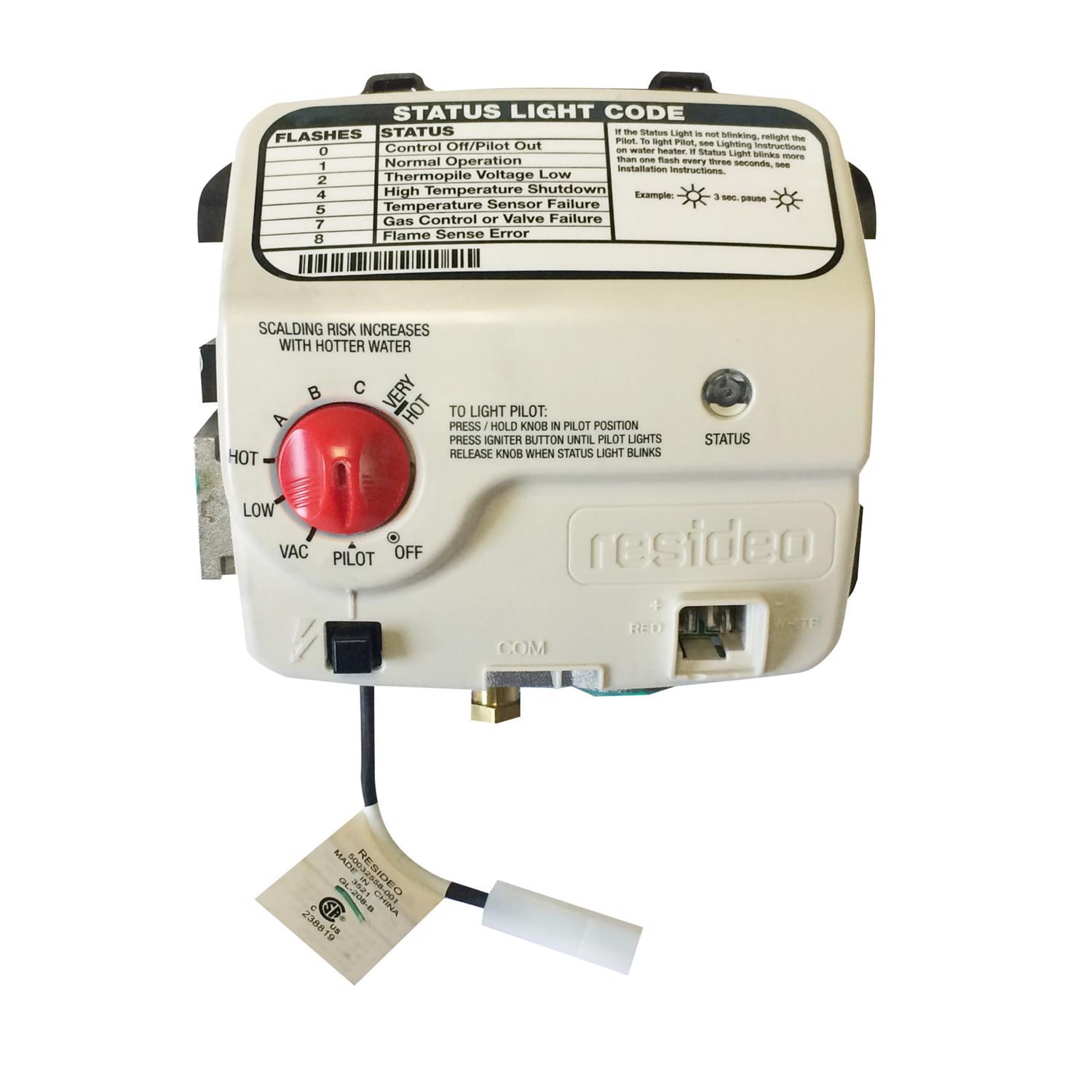
#5: Pilot Light Problems
The pilot light may go out or not light at all. Without the pilot light, gas water heaters cannot heat water. Dirt or drafts near the pilot can cause this problem. Cleaning the pilot area often helps.
#6: Slow Heating
Water takes too long to get hot. Slow heating can result from a weak heating element or sediment buildup. The heater works harder and uses more energy. Checking the elements and cleaning the tank may improve speed.
#7: Water Discoloration
Rusty or brown water comes from inside the tank. This means corrosion is happening. It affects water quality and tastes bad. Flushing the tank or replacing it can solve discoloration.
#8: Low Water Pressure
Water pressure drops during hot water use. Sediment or mineral buildup can block pipes or valves. Low pressure reduces water flow and causes poor showers. Cleaning or replacing parts may restore pressure.
Troubleshooting No Hot Water
When your Reliance water heater stops giving hot water, it can cause real trouble. This issue often has simple fixes. Basic checks can save time and money. Follow these steps to find the cause and solve the problem quickly.
Checking Power Supply
First, ensure the water heater is getting power. Check the circuit breaker or fuse box. A tripped breaker or blown fuse can stop the heater. Make sure the power switch is on. Use a voltage tester if possible to confirm power reaches the unit.
Inspecting Thermostat Settings
The thermostat controls water temperature. Sometimes, it may be set too low. Adjust the thermostat to a higher setting, around 120 degrees Fahrenheit. If the water remains cold, the thermostat might be faulty and need replacing. Always turn off power before touching the thermostat.
Examining Heating Element
The heating element warms the water inside the tank. Over time, it can wear out or get covered in mineral deposits. Use a multimeter to test for continuity. A broken element must be replaced. Cleaning or replacing the element can restore hot water quickly.
Fixing Temperature Fluctuations
Temperature fluctuations in Reliance water heaters cause discomfort and waste energy. Fixing this issue improves your hot water supply and saves money. Simple steps can help stabilize water temperature and extend your heater’s life.
Adjusting Thermostat
Start by checking the thermostat setting on your water heater. Most models have a dial or digital control. Set it to a consistent temperature, usually around 120°F (49°C). Avoid setting it too high to prevent scalding and energy waste. Small adjustments can stop sudden changes in hot water temperature.
Flushing Sediment Build-up
Over time, minerals settle at the bottom of the water tank. This sediment blocks heat transfer and causes uneven heating. Flushing the tank removes this build-up. Turn off the heater and connect a hose to the drain valve. Let the water flow until clear. This simple maintenance improves temperature stability and heater efficiency.
Replacing Faulty Thermostat
If adjusting the thermostat does not help, it might be faulty. A broken thermostat sends wrong signals, causing temperature swings. Test the thermostat with a multimeter or call a technician. Replacing a bad thermostat restores proper temperature control. It ensures your water stays at the right warmth consistently.

Credit: www.sirelmagroup.it
Addressing Leaks
Leaks in Reliance water heaters cause trouble and waste water. They can lead to higher bills and damage to your home. Finding and fixing leaks quickly keeps your heater working well. It also stops small problems from growing into big repairs.
Identifying Leak Source
Start by checking the area around the heater. Look for wet spots or puddles. Check pipes, valves, and the tank itself. Sometimes leaks come from loose fittings or cracks. Watch for dripping sounds or rust marks. Pinpointing the exact source helps you fix the problem fast.
Tightening Connections
Loose connections often cause leaks in water heaters. Use a wrench to tighten bolts and nuts carefully. Avoid over-tightening to prevent damage. Check all pipe joints and fittings. Tight connections stop water from escaping and keep the heater safe.
Replacing Pressure Relief Valve
The pressure relief valve protects your heater from too much pressure. A faulty valve can leak water. Turn off the power and water supply first. Remove the old valve using a wrench. Install a new valve that fits your model. This step stops leaks and ensures safety.
Eliminating Noises
Strange noises from your Reliance water heater can be annoying. These sounds often mean the heater needs attention. Fixing the noise early can stop bigger problems later. Simple steps can help you eliminate these noises and keep your heater running quietly.
Flushing Sediment
Sediment builds up inside the tank over time. This causes popping or rumbling sounds. Flushing the tank removes this sediment. Turn off the heater and cold water supply first. Open the drain valve to let out the dirty water. Close the valve and refill the tank. This reduces noise and improves heater performance.
Checking Heating Element
The heating element can wear out or get covered in scale. This causes buzzing or humming noises. Turn off the power to the heater before checking. Remove and inspect the element for damage or buildup. Clean or replace the element if needed. A good heating element works quietly and heats water well.
Insulating Pipes
Water pipes can cause banging or knocking sounds. Insulating the pipes reduces these noises. Use foam pipe insulation sleeves around the hot water pipes. This cushions the pipes and stops vibrations. Insulated pipes keep noise low and protect against heat loss.
Resolving Pilot Light Issues
Pilot light issues are common in Reliance water heaters. These problems stop the heater from working properly. Fixing pilot light problems can bring hot water back quickly. Understanding simple steps helps you solve these issues safely and fast.
Relighting Pilot Light
First, turn off the gas valve. Wait five minutes to clear any gas. Find the pilot light knob. Press and hold it down. Use a lighter or match to light the pilot. Keep holding the knob for 30 seconds. Release the knob slowly. Check if the pilot stays lit. If it goes out, repeat the steps carefully.
Cleaning Pilot Orifice
The pilot orifice can get clogged with dirt. Turn off the gas supply before cleaning. Use a soft brush or needle to clear the orifice. Remove any dust or debris gently. Avoid using hard tools that can damage the part. Clean the area around the pilot light too. After cleaning, try relighting the pilot.
Checking Gas Supply
A weak gas supply may cause pilot light problems. Check the gas valve is fully open. Inspect gas lines for any leaks or damage. Make sure the gas meter is working properly. If you smell gas, do not light the pilot. Call a professional to fix gas supply issues. Proper gas flow is essential for the pilot to stay lit.
Improving Heating Speed
Heating speed is a key factor for any water heater. Slow heating can cause frustration and waste energy. Improving the heating speed of your Reliance water heater helps save time and reduces energy bills. Small fixes often lead to big improvements.
Flushing Tank
Mineral buildup inside the tank slows down heating. Flushing the tank removes these deposits. It clears sediment that blocks heat transfer. Regular flushing keeps your water heater working fast. This simple step can restore heating speed effectively.
Replacing Heating Element
The heating element warms the water. Over time, it can wear out or break. A faulty element causes slow heating or no heat at all. Replacing the heating element can bring back proper heat speed. It is a cost-effective way to fix heating issues.
Upgrading Water Heater
Older models may not heat water quickly. Newer models have better technology for faster heating. Upgrading your water heater can improve speed and efficiency. Choose a model with higher power and better features. This ensures hot water when you need it most.
Credit: lepaystchad.com
Dealing With Water Discoloration
Water discoloration in your Reliance water heater can be frustrating. It often signals rust or sediment buildup inside the tank. This problem affects water quality and can stain clothes or fixtures. Addressing it early keeps your water clear and safe.
Flushing Rust
Rust collects at the bottom of the water heater tank. Flushing the tank removes this rust and sediment. Turn off the power and water supply first. Then drain the tank completely. Flush it with clean water until it runs clear. This simple step helps improve water color and heater efficiency.
Replacing Anode Rod
The anode rod protects your tank from rust. Over time, it wears down and loses effectiveness. Check the rod every year and replace if needed. A new anode rod prevents rust buildup inside the tank. This keeps the water free from discoloration for longer.
Installing Water Filter
A water filter can catch particles before they enter the heater. It helps reduce rust and sediment in your water supply. Install a filter on the main water line or before the heater. This extra layer of protection improves water quality. It also extends your heater’s life.
Boosting Water Pressure
Low water pressure can make using your Reliance water heater frustrating. Boosting water pressure helps improve hot water flow and overall performance. Small fixes often solve common pressure issues quickly.
Clearing Sediment Blockages
Sediment builds up inside the water heater tank over time. This sediment can block water flow and lower pressure. Flushing the tank removes these deposits. Regular flushing keeps the system clean and efficient.
Inspecting Pipes
Check pipes connected to your water heater for leaks or damage. Old or corroded pipes reduce water pressure. Replace or repair any faulty pipes to restore proper flow. Clear pipes help maintain steady pressure.
Checking Pressure Valve
The pressure valve controls water pressure inside the heater. A faulty valve can cause low pressure issues. Test the valve to ensure it works correctly. Replace the valve if it fails to maintain proper pressure.

Credit: www.youtube.com
Maintenance Tips For Reliability
Keeping your Reliance water heater in good shape helps avoid many common problems. Regular care improves its reliability and lifespan. Simple maintenance tasks can save money and prevent cold showers.
Regular Flushing
Flushing your water heater removes sediment buildup inside the tank. Sediment can block heat transfer and reduce efficiency. Flush the tank at least once a year to keep it clean. Use cold water and follow the manufacturer’s instructions carefully.
Periodic Inspections
Check your water heater often for leaks or rust. Look at the pipes, valves, and tank condition. Early detection of issues prevents bigger problems later. Inspect the pressure relief valve to ensure it works properly.
Timely Part Replacements
Replace worn or damaged parts quickly to maintain performance. Common parts to watch are the anode rod and heating elements. Using original parts ensures compatibility and safety. Regular replacements keep your heater running smoothly and safely.
Frequently Asked Questions
Why Is My Reliance Water Heater Not Heating Water?
Common causes include faulty heating elements, thermostat issues, or power supply problems. Check these components first to identify the problem.
How To Fix A Leaking Reliance Water Heater?
Leaks often result from damaged valves or corrosion. Inspect the tank and valves, and replace faulty parts promptly to avoid water damage.
What Causes Strange Noises In Reliance Water Heaters?
Noises usually come from sediment buildup or heating element issues. Regular maintenance and flushing the tank can reduce these sounds.
How To Reset A Reliance Water Heater Safely?
Turn off power, locate the reset button, and press it. If it doesn’t reset, check for electrical or thermostat faults.
Conclusion
Reliance water heaters can face common problems like leaks and no heat. Fixing these issues quickly saves money and stress. Regular checks help keep your heater working well. Simple care can extend its life and improve safety. Know when to call a professional for help.
Staying informed protects your home and comfort. Don’t ignore small issues; they can grow bigger fast. Reliable hot water makes daily tasks easier and better. Keep your Reliance heater in good shape for peace of mind.