
If you have a tankless water heater, you might not realize how important an expansion tank is for your system. Without it, you could face pressure problems that damage your pipes or water heater.
Installing a tankless water heater expansion tank is a simple step that protects your home and keeps your hot water flowing smoothly. You’ll learn exactly why you need one, how it works, and the easy steps to install it yourself.
Keep reading to make sure your water heater runs efficiently and lasts longer.
Why Use An Expansion Tank
An expansion tank helps manage water pressure in tankless water heater systems. It keeps the pressure stable and safe. This small device protects your water heater and plumbing from damage. Installing an expansion tank is a smart choice for your home’s water system.
Preventing Pressure Build-up
Water heats up and expands inside the heater. Without space to grow, pressure builds inside pipes. High pressure can cause leaks or bursts. An expansion tank absorbs this extra pressure. It stops damage and keeps your system safe.
Extending Water Heater Life
Pressure stress can shorten your water heater’s life. The expansion tank reduces this stress by balancing pressure. This means fewer repairs and longer service. Your tankless water heater works better and lasts longer.
Protecting Plumbing System
High pressure harms pipes and fixtures. It causes leaks and breaks in the plumbing. The expansion tank protects your pipes by lowering pressure peaks. Your plumbing stays strong and reliable over time.

Credit: www.youtube.com
Choosing The Right Expansion Tank
Choosing the right expansion tank is important for your tankless water heater system. It helps protect pipes and the heater from pressure changes. A well-chosen tank keeps water flow steady and prevents damage. Understanding key factors like size, materials, and compatibility ensures the best fit for your system.
Sizing Your Expansion Tank
Size matters for expansion tanks. A tank too small cannot handle pressure well. Too large wastes space and money. Measure the water heater capacity first. Then check the home’s water pressure. Use these numbers to pick the correct tank size. Proper sizing avoids leaks and extends heater life.
Materials And Durability
Expansion tanks come in different materials. Steel tanks with a rubber bladder are common. They resist corrosion and last long. Some tanks have plastic parts that wear out fast. Choose tanks with durable coatings for rust protection. Durable tanks save money by reducing repairs.
Compatibility With Tankless Heaters
Not all expansion tanks fit every tankless heater. Check the heater manual for recommendations. Match the tank’s pressure rating with the heater’s system pressure. Some heaters need special tanks designed for high temperatures. Correct compatibility ensures safe and efficient operation.
Tools And Materials Needed
Installing a tankless water heater expansion tank needs certain tools and materials. Having the right items makes the job easier and safer. This section lists what you need before starting the installation. Keep everything ready for smooth work.
Essential Tools
- Adjustable wrench for tightening fittings
- Pipe cutter to trim pipes cleanly
- Thread seal tape to prevent leaks
- Screwdriver set for mounting parts
- Level to ensure proper alignment
- Drill with bits for wall mounting
Required Plumbing Parts
- Expansion tank sized for your water heater
- Shut-off valves to control water flow
- Pressure relief valve to avoid excess pressure
- Pipe connectors and fittings matching your plumbing
- Flexible hoses for easy connection
Safety Equipment
- Protective gloves to guard hands
- Safety goggles to protect eyes
- Work boots for foot safety
- Mask to avoid dust or fumes
- Flashlight for better visibility
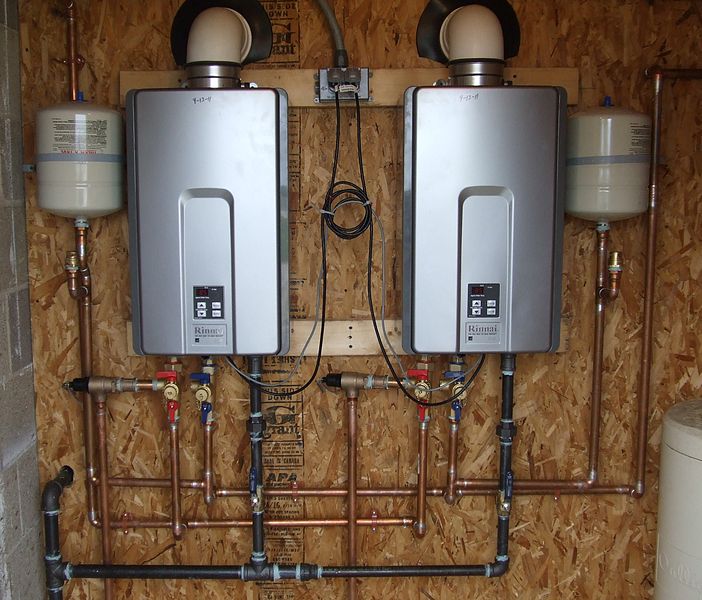
Credit: megaprojects.com
Preparing For Installation
Preparing for the installation of a tankless water heater expansion tank requires careful steps. Proper preparation ensures the system works well and lasts longer. Follow each step closely to avoid problems.
Shutting Off Water Supply
Start by turning off the main water supply. This step stops water flow to the heater and expansion tank. It prevents leaks and water damage during installation.
Locate the main valve and turn it clockwise until tight. Check that no water flows from faucets before starting work.
Relieving System Pressure
Next, relieve pressure in the water system. Open a hot water faucet to let air in and water out. This reduces pressure inside the pipes and tank.
Relieving pressure avoids water sprays and helps install the tank safely. Wait until water stops flowing before proceeding.
Selecting Installation Location
Pick a good spot for the expansion tank near the water heater. The location should be easy to reach for maintenance. Make sure there is enough space to mount and connect the tank.
A dry, stable area away from heat sources works best. Avoid places prone to freezing or moisture buildup.
Step-by-step Installation Guide
Installing an expansion tank for your tankless water heater helps control pressure changes. This guide breaks down the installation into simple steps. Follow each part carefully to ensure a safe setup.
Mounting The Expansion Tank
Choose a spot close to the water heater. Use a sturdy bracket to hold the tank. Make sure the tank hangs vertically. Tighten all screws to keep it secure.
Connecting To The Water Line
Turn off the main water supply. Use a T-fitting to connect the tank to the cold water line. Wrap plumber’s tape around threads for a tight seal. Attach the tank using a pipe wrench. Avoid over-tightening to prevent damage.
Checking For Leaks
Turn the water supply back on slowly. Look closely at all connection points. Watch for any dripping or moisture. Tighten fittings slightly if leaks appear. Repeat the check until no leaks show.
Testing And Maintenance Tips
Testing and maintenance keep your tankless water heater expansion tank working well. These steps prevent damage and costly repairs. Regular checks help find problems early. Follow simple tips to keep the system safe and efficient.
Pressure Testing
Pressure testing ensures the expansion tank holds the right pressure. Use a pressure gauge to check the tank’s air pressure. The pressure should match your home’s water pressure. Too high or low pressure can cause damage. Test pressure at least once a year.
Routine Inspection
Inspect the expansion tank regularly for leaks or rust. Look for any water around the tank base. Check the tank’s mounting and connections. Tighten loose fittings and clean dirt or dust. A visual check helps catch early signs of wear.
When To Replace The Expansion Tank
Replace the tank if it shows corrosion or leaks. A tank that won’t hold pressure needs replacement. Listen for unusual noises from the tank. Replace every 5 to 7 years to avoid failures. Timely replacement keeps your water heater safe and efficient.
Common Issues And Troubleshooting
Tankless water heater expansion tanks can face some common problems. Understanding these issues helps keep your system running smoothly. Troubleshooting is often simple and saves money on repairs.
Pressure Fluctuations
Pressure changes in the system cause uneven water flow. This happens when the expansion tank loses air charge. Check the tank’s air pressure with a gauge. Add air if the pressure is low. Proper pressure keeps water flow steady and protects the heater.
Noisy Expansion Tank
Strange noises come from air or water hitting inside the tank. This often means the tank is waterlogged or over-pressurized. Tap the tank gently; a hollow sound means air is present. A dull sound means water fills the tank. Drain the tank to fix the noise. Proper air charge prevents future noise.
Leaks And Corrosion
Leaks appear from cracks or loose fittings on the tank. Corrosion weakens the metal and causes leaks. Inspect the tank and pipes regularly for rust or water. Tighten connections or replace damaged parts. Use corrosion-resistant materials to extend tank life.
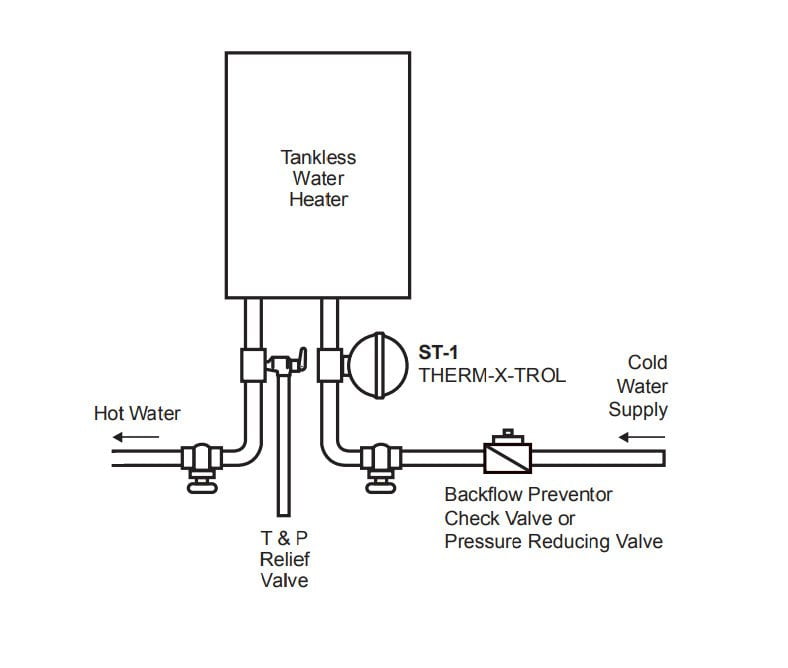
Credit: healingwithhorsesranch.org
Conclusion
A tankless water heater expansion tank helps protect your plumbing system. It reduces pressure and prevents damage to pipes and the heater. Installing it keeps your water heater working well for a longer time. It also saves money on repairs.
Regular checks ensure the expansion tank stays in good condition. This simple addition makes your home safer and your water heater more reliable. Consider adding an expansion tank to improve your water heating system today. Small steps lead to big benefits.