
Are you thinking about upgrading to a tankless water heater? One important step you can’t overlook is the vent pipe installation.
Getting this part right ensures your system runs safely and efficiently, saving you money and hassle down the line. You’ll discover exactly how to install your tankless water heater vent pipe the right way, avoid common mistakes, and keep your home safe.
Keep reading—you’re just a few steps away from mastering this essential task.
Credit: www.advancedresources.com
Types Of Vent Pipes
Choosing the right vent pipe for a tankless water heater is important. Vent pipes carry harmful gases safely outside your home. Different types of vent pipes work with different heater models. Understanding these types helps with proper installation and safety.
Single-pipe Vent Systems
Single-pipe vent systems use one pipe to push out exhaust gases. These pipes are simple and cost less. They work well if your heater is near an outside wall. Fresh air for combustion comes from inside the home. This system is common in older homes.
Direct Vent Systems
Direct vent systems use two pipes. One pipe brings fresh air inside. The other pipe removes exhaust gases. This system keeps indoor air clean and safe. It works well in tightly sealed homes. Direct vent pipes can be installed horizontally or vertically.
Power Vent Systems
Power vent systems use a fan to move exhaust gases. The fan helps push gases far from the heater. This allows flexible pipe placement. Power vent pipes can run longer distances. These systems are good when natural venting is difficult.
Materials For Vent Pipes
Choosing the right material for tankless water heater vent pipes is important. The material affects safety, durability, and performance. Different materials suit different installation needs and venting types. Understanding common materials helps in making the best choice for your home.
Pvc And Cpvc Pipes
PVC and CPVC pipes are popular for venting. They resist corrosion and are lightweight. These pipes work well with many tankless water heaters. PVC is usually white, while CPVC can handle higher temperatures. Both are easy to cut and install. They provide a cost-effective venting solution.
Stainless Steel Pipes
Stainless steel pipes offer strong resistance to heat and corrosion. They suit high-temperature venting needs. These pipes last long and handle harsh weather well. Stainless steel is often used in direct vent systems. They require professional installation but provide excellent safety.
Aluminum Pipes
Aluminum pipes are lightweight and easy to handle. They resist rust and are less expensive than stainless steel. Aluminum suits certain venting setups but may not fit all heater models. These pipes need proper sealing to avoid leaks. They offer a balance between cost and durability.
Planning The Vent Pipe Layout
Planning the vent pipe layout for a tankless water heater is a key step. It affects the heater’s performance and safety. Proper planning helps avoid problems like poor ventilation and carbon monoxide buildup. Careful attention to details ensures the system works efficiently and lasts longer.
Assessing Vent Length And Diameter
Measure the total length needed for the vent pipe. Use the manufacturer’s guidelines for maximum length. Choose the right diameter pipe to allow proper airflow. Incorrect size can cause poor exhaust flow. This leads to heater inefficiency and safety risks.
Determining Vent Pipe Routing
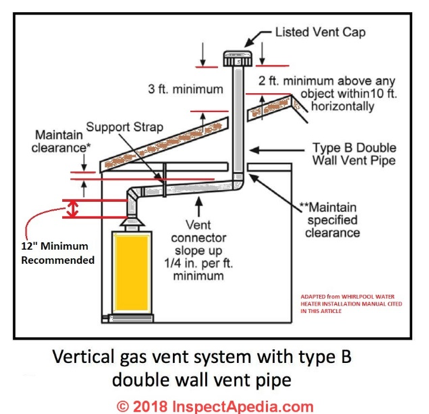
Plan the vent pipe path before installation. Avoid sharp bends and long runs. Shorter, straighter routes improve airflow. Keep the vent away from windows, doors, and air intakes. This prevents exhaust gases from entering your home.
Clearance And Safety Requirements
Maintain proper clearance from combustible materials. Follow local building codes and manufacturer instructions. Use approved materials for vent pipes. Check for secure connections and proper sealing. Safety prevents fire hazards and harmful gas leaks.
Installation Steps
Installing a vent pipe for a tankless water heater is a key step. Proper installation ensures safe venting of gases. Follow clear, simple steps to get it right. Each step helps prevent leaks and keeps your home safe.
Preparing The Installation Area
Start by clearing the space around the heater. Remove any obstacles in the vent path. Check local codes for vent pipe requirements. Measure the distance from the heater to the outside wall. Gather all tools and materials before you begin.
Connecting The Vent To The Heater
Attach the vent pipe to the heater outlet. Use the correct size and type of pipe. Slide the pipe firmly onto the vent collar. Align it straight to avoid gaps. Use screws to secure the pipe in place.
Securing And Sealing Joints
Seal all joints with high-temperature silicone sealant. Wrap joints with metal tape for extra security. Tighten screws on each joint to prevent leaks. Double-check connections for any gaps or loose parts. Proper sealing keeps harmful gases outside.
Installing Termination Cap
Attach the termination cap outside the building. Place it where it will vent safely away from windows and doors. Secure the cap with screws and seal edges with silicone. The cap protects the vent from rain and debris. It also helps maintain proper airflow.
Common Installation Mistakes
Installing a tankless water heater vent pipe may seem simple. Yet, many common mistakes can cause problems. These errors affect the heater’s performance and safety. Knowing what to avoid helps ensure a smooth installation.
Many homeowners and installers face issues that could be prevented. These mistakes often lead to leaks, poor ventilation, or damage to the unit. Careful attention to detail is key for a successful vent pipe setup.
Incorrect Pipe Slope
The vent pipe needs the right slope for proper drainage. A wrong slope causes water to collect inside the pipe. This water can damage the heater or block exhaust gases. Pipes should slope downward slightly toward the outside. This allows condensation to drain safely.
Using Wrong Materials
Not all materials work well for vent pipes. Using cheap or incompatible parts can cause leaks or corrosion. Vent pipes must be made of materials rated for high heat and gases. Avoid plastic or thin metal pipes. These materials fail quickly and risk safety.
Improper Sealing
Sealing the vent pipe joints is crucial. Poor sealing lets harmful gases escape into the home. It also reduces the heater’s efficiency. Use high-quality sealants and follow manufacturer guidelines. Every joint and connection must be tight and secure.

Credit: www.spec-school.org
Maintenance Tips For Vent Pipes
Proper maintenance of vent pipes is vital for your tankless water heater. It keeps the system safe and efficient. Regular care helps avoid costly repairs and prolongs the heater’s life.
Vent pipes carry harmful gases outside. Blockages or damage can cause dangerous leaks. This section shares simple tips to maintain your vent pipes easily.
Regular Inspection
Check vent pipes at least twice a year. Look for cracks, rust, or loose parts. Notice any strange smells or sounds near the heater. Early detection stops bigger problems later.
Cleaning Blockages
Clear leaves, dirt, or nests from vents. Use a soft brush or vacuum to remove debris. Blocked vents reduce airflow and cause poor heater performance. Clean vents ensure safe gas release.
Replacing Damaged Sections
Replace any cracked or corroded pipe parts quickly. Damaged sections can leak dangerous gases indoors. Use pipes made for tankless water heaters. Proper replacement keeps the system sealed and safe.
Safety Considerations
Safety is the top priority when installing a tankless water heater vent pipe. Proper installation protects your home and family. It prevents dangerous gases from entering living spaces. Understanding key safety points helps ensure a safe setup.
Carbon Monoxide Risks
Carbon monoxide is a colorless, odorless gas. It can cause serious health problems or death. Faulty vent pipes may allow this gas to leak inside. Proper vent installation directs carbon monoxide safely outside. Always check for leaks and damage regularly.
Ventilation Requirements
Good ventilation prevents gas buildup inside your home. Vent pipes must have clear paths to the outside. Pipes should not be blocked or bent sharply. Follow manufacturer guidelines for pipe length and angle. Proper airflow helps your heater work safely and well.
Local Code Compliance
Local building codes set rules for vent pipe installation. These rules protect homes and residents from hazards. Check your area’s codes before starting work. Use approved materials and methods only. Inspections by professionals ensure your setup meets all standards.

Credit: www.kokido.com
Conclusion
Proper vent pipe installation keeps your tankless water heater safe and efficient. It helps avoid gas leaks and ensures good airflow. Always follow the manufacturer’s instructions carefully. Use the right materials and tools for the job. If unsure, ask a professional for help.
A well-installed vent pipe lasts longer and works better. This small step protects your home and family. Remember, good venting means better heater performance and peace of mind. Take your time and do it right.