Are you wondering how much it will really cost to keep your tankless water heater running smoothly? You’ve made a smart choice by going tankless, but like any appliance, it needs regular care.
Understanding the maintenance costs ahead of time can help you avoid surprise bills and keep your hot water flowing without interruption. You’ll discover the key factors that affect these costs and simple tips to save money on upkeep. Read on to protect your investment and enjoy reliable comfort all year round.
Tankless Water Heater Basics
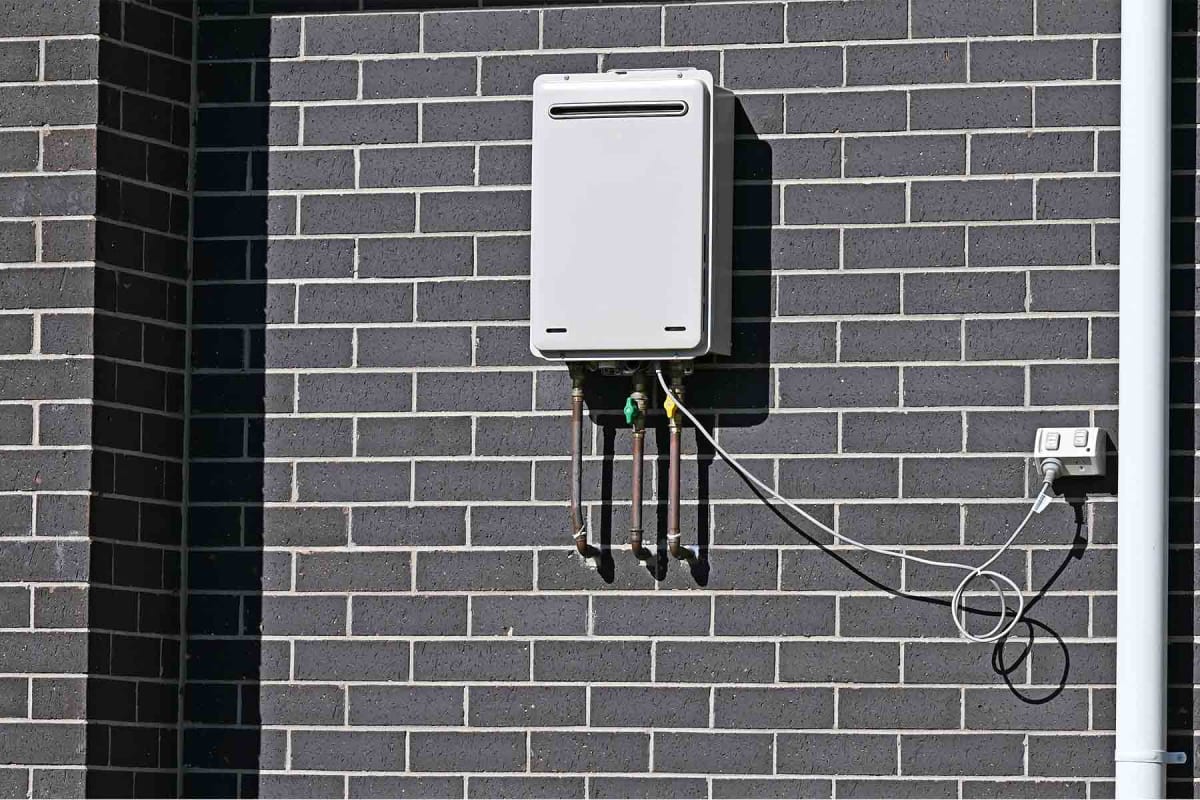
A tankless water heater heats water only when needed. It does not store hot water like traditional tanks. Water flows through a heating element, warming up instantly. This design saves energy by avoiding heat loss from stored water.
There are two main types: electric and gas-powered. Electric models are smaller and easier to install. Gas models heat water faster and work well for larger homes.
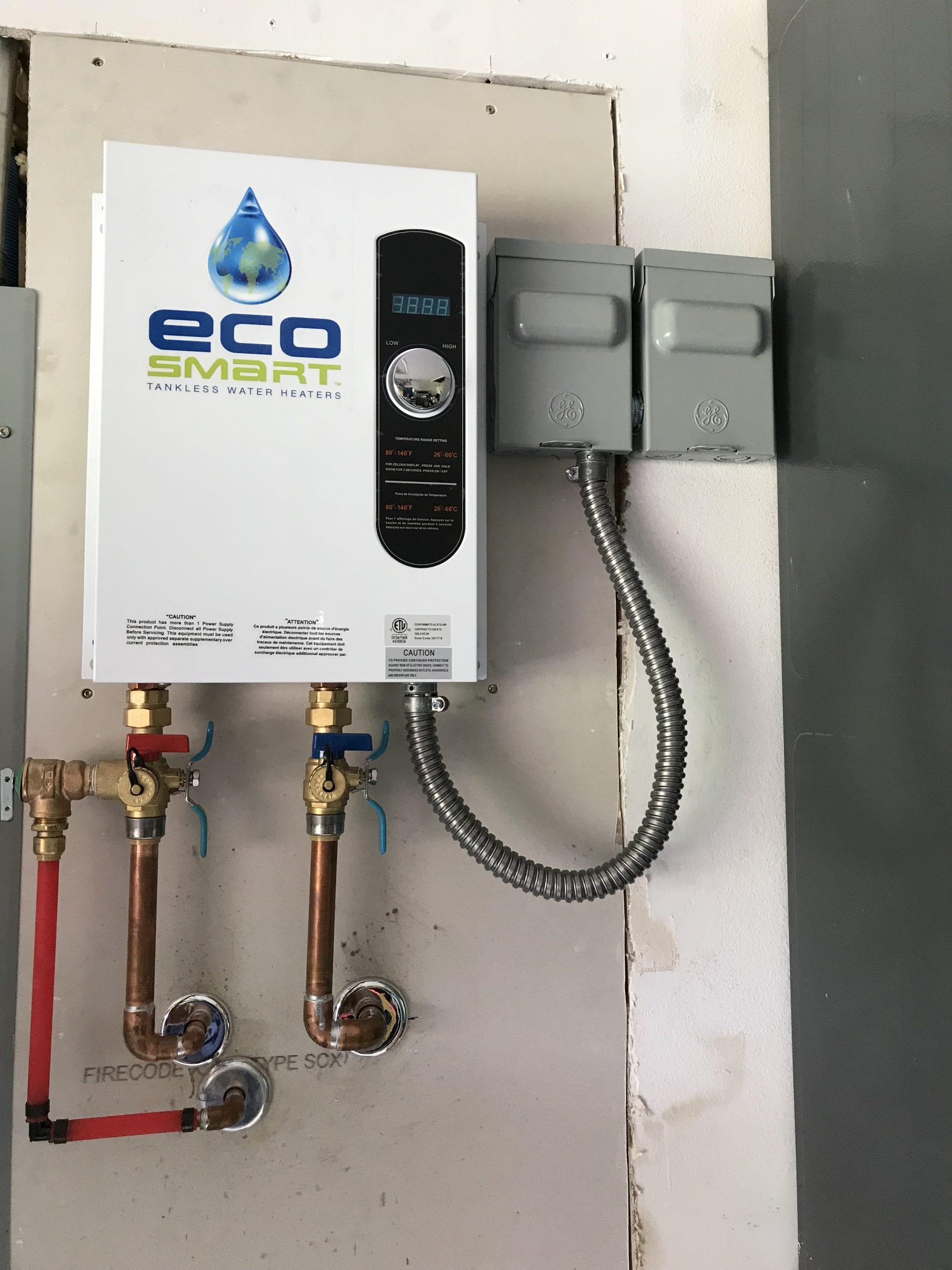
Common features include temperature control, energy efficiency, and compact size. Some models have digital displays for easy settings. Others offer remote control or self-cleaning functions to reduce maintenance needs.
Typical Maintenance Expenses
Routine servicing for tankless water heaters usually costs between $80 and $150. This includes cleaning the unit and checking for leaks. Servicing helps the heater last longer and work better.
Parts replacement prices vary. A new thermostat may cost around $50 to $100. Replacing a heating element can be $100 to $200. These parts wear out over time and need fixing.
| Service Type | Cost Range | Details |
|---|---|---|
| Routine Servicing | $80 – $150 | Cleaning, leak checks, general upkeep |
| Parts Replacement | $50 – $200 | Thermostat, heating element, other parts |
| Professional vs DIY | Professional: Higher cost DIY: Lower cost but needs skill | Professionals ensure safety; DIY saves money |
Professional service costs more but reduces risk. DIY fixes save money but need care. Mistakes can cause damage or danger.
Factors Affecting Maintenance Costs
Water quality plays a big role in maintenance costs. Hard water causes mineral buildup. This buildup can clog pipes and reduce heater efficiency. Regular cleaning is needed to avoid damage.
Usage frequency affects how often maintenance is required. Homes with many people use hot water more. This leads to more wear and tear. Frequent checks keep the heater working well.
Unit size and model also matter. Larger units or complex models may cost more to maintain. Some models need special parts or service. Choosing the right size helps control costs.
Credit: homeguide.com
Cost-saving Maintenance Tips
Regular flushing helps remove mineral build-up inside the heater. This keeps the unit working well and lasts longer. Flushing every 6 to 12 months is a good rule. Use white vinegar or a descaling solution for best results.
Filters catch dirt and debris. Clean them every few months to avoid blockages. Replace filters if they look worn or damaged. Clean filters improve water flow and heater efficiency.
Plan for professional inspections once a year. Experts check parts and find small problems early. This can save money on big repairs later. Inspections keep the heater safe and working well.
Diy Maintenance Steps
Tools needed include a garden hose, a bucket, and a wrench. Also, use white vinegar for cleaning. Having a flathead screwdriver helps open panels safely.
Step-by-step flushing guide starts by turning off the power and water supply. Connect the hose to the drain valve. Place the other end in a bucket. Open the valve to drain water. Then, pour vinegar into the heater to remove buildup. Let it sit for about 45 minutes. Finally, flush with clean water and close valves.
Safety precautions are very important. Always turn off electricity before starting. Wear gloves and safety glasses. Check for gas leaks if the heater is gas-powered. Keep children away during maintenance. Never skip reading the manual for specific instructions.
Credit: filmteambuilding.nl
When To Call A Professional
Strange noises or water leaks are clear signs of major issues. If your heater does not heat water well, it needs expert care. Frequent shutoffs or error codes also show problems. Calling a professional helps avoid costly damage and keeps your heater safe.
Experts have the right tools and skills to fix problems fast. They check all parts, clean the system, and replace worn pieces. This care helps your heater last longer and use less energy. Regular expert service can save money on big repairs later.
Long-term Savings Strategies
Regular maintenance helps keep your tankless water heater working well. Clean the filter and flush the system every year. This stops mineral build-up that can cause damage.
Upgrading to a newer model can save energy. New units use less fuel and heat water faster. This lowers your monthly bills over time.
Check if your heater has a warranty. Some come with free service plans. These plans cover repairs and parts, reducing your costs.
| Energy Efficiency Tips | Details |
|---|---|
| Lower Water Temperature | Set the heater to 120°F to save energy. |
| Insulate Pipes | Keep hot water hot and reduce heat loss. |
| Regular Cleaning | Flush out minerals once a year. |

Credit: www.fixr.com
Frequently Asked Questions
What Are Average Tankless Water Heater Maintenance Costs?
Average maintenance costs range from $100 to $200 annually. Costs vary by model, usage, and service provider. Regular maintenance prevents costly repairs and extends heater lifespan.
How Often Should Tankless Water Heaters Be Serviced?
Tankless water heaters should be serviced once a year. Annual servicing ensures optimal performance and prevents mineral buildup that reduces efficiency.
What Maintenance Tasks Increase Tankless Water Heater Costs?
Flushing the system, descaling, and checking filters increase maintenance costs. These tasks protect the heater from damage and maintain energy efficiency.
Can Diy Maintenance Reduce Tankless Water Heater Costs?
Yes, basic tasks like cleaning filters can be done DIY. However, professional inspections are recommended annually for safety and thorough servicing.
Conclusion
Maintaining a tankless water heater keeps it running well longer. Regular check-ups help avoid costly repairs later. Simple tasks like flushing the system reduce buildup. Costs vary but usually stay affordable with care. Small steps save money and prevent big problems.
Keep track of maintenance to protect your investment. A well-kept heater uses energy more efficiently. Saving money and water feels good, right? Stay consistent, and your heater will serve you well.