
Are you thinking about upgrading to a tankless water heater but aren’t sure if your home’s power supply can handle it? Understanding the power requirements is key to making the switch without surprises.
This guide will break down exactly what you need to know about electrical needs, so you can make a smart, confident choice. Keep reading to find out how to prepare your home and avoid costly mistakes—your comfort and safety depend on it.
Credit: apollohome.com
How Tankless Water Heaters Work
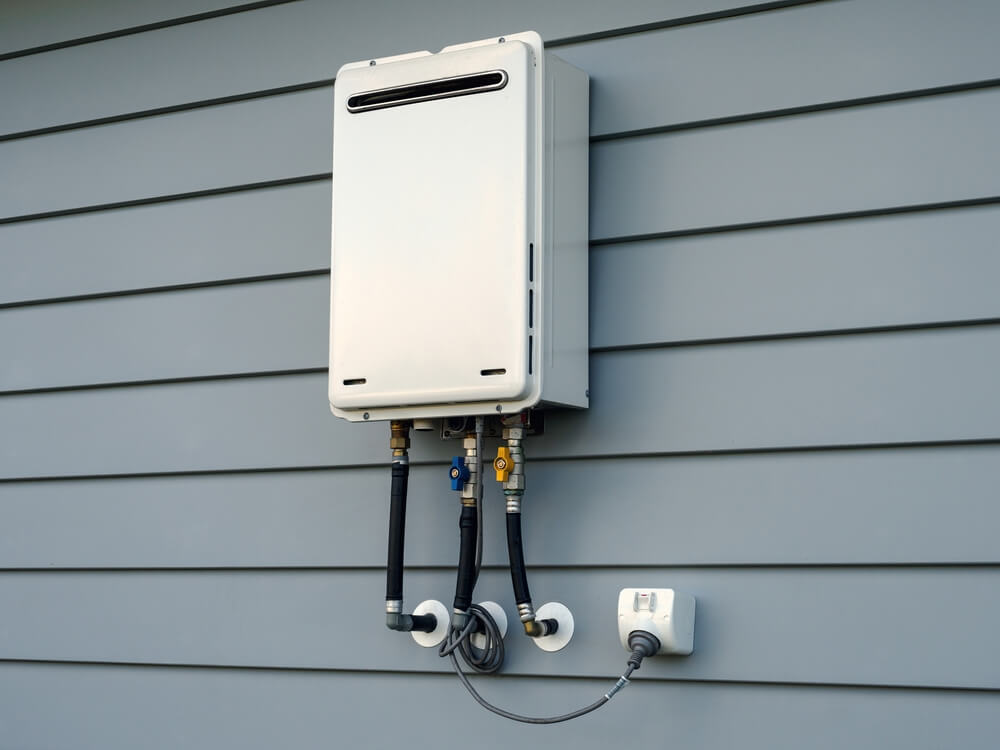
Tankless water heaters heat water only when needed. Cold water flows through a heating element inside the unit. This process stops the need for a storage tank. Hot water is delivered quickly and continuously.
These heaters use electricity or gas to warm water. They need a strong power source to work well. Electric models require high voltage for the heating element. Gas models use a burner to heat the water.
| Type | Power Source | How It Works | Common Use |
|---|---|---|---|
| Electric Tankless | Electricity | Heating element warms water instantly | Small homes, point-of-use systems |
| Gas Tankless | Natural gas or propane | Burner heats water as it flows | Larger homes, high demand |
Calculating Power Needs
The power needed for a tankless water heater depends on two main things: flow rate and temperature rise. Flow rate means how much water flows through the heater each minute. Temperature rise is the difference between the cold water temperature and the hot water you want.
Higher flow rates need more power to heat water fast. Bigger temperature rises also need more energy. For example, heating water from 50°F to 120°F uses more power than from 70°F to 120°F.
To find power needs, multiply flow rate (in gallons per minute) by temperature rise (in °F), then multiply by 8.34 (weight of water). This gives the heat energy in BTUs per minute. Convert BTUs to kilowatts by dividing by 3,412.
| Factor | Description |
|---|---|
| Flow Rate (GPM) | Water amount passing per minute |
| Temperature Rise (°F) | Difference between cold and hot water |
| Heat Energy (BTU/min) | Flow Rate × Temperature Rise × 8.34 |
| Power (kW) | Heat Energy ÷ 3,412 |
Electric Vs Gas Power Requirements
Electric tankless water heaters need a lot of power to work well. They usually require high voltage—often 240 volts—and a strong electrical panel. Most models use between 10,000 to 30,000 watts. This means they need a special setup and sometimes upgrades to your home’s wiring. The power use depends on how many gallons of hot water you want per minute.
Gas tankless heaters use natural gas or propane. They do not need as much electricity but require a gas line. Gas heaters use energy measured in BTUs (British Thermal Units). Typical gas heaters consume between 120,000 and 200,000 BTUs per hour. They also need good ventilation to safely release combustion gases.
| Heater Type | Power Source | Energy Use | Installation Needs |
|---|---|---|---|
| Electric | 240V Electricity | 10,000 – 30,000 Watts | Strong electrical panel, wiring upgrade |
| Gas | Natural Gas or Propane | 120,000 – 200,000 BTUs/hour | Gas line, ventilation system |
Electrical Setup For Tankless Heaters
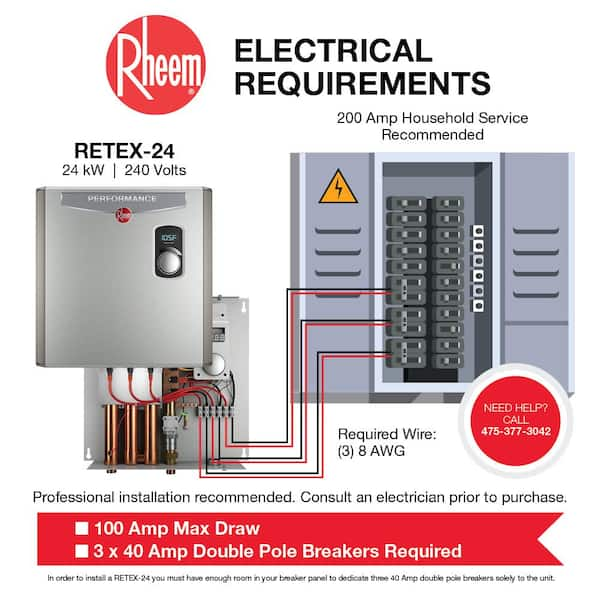
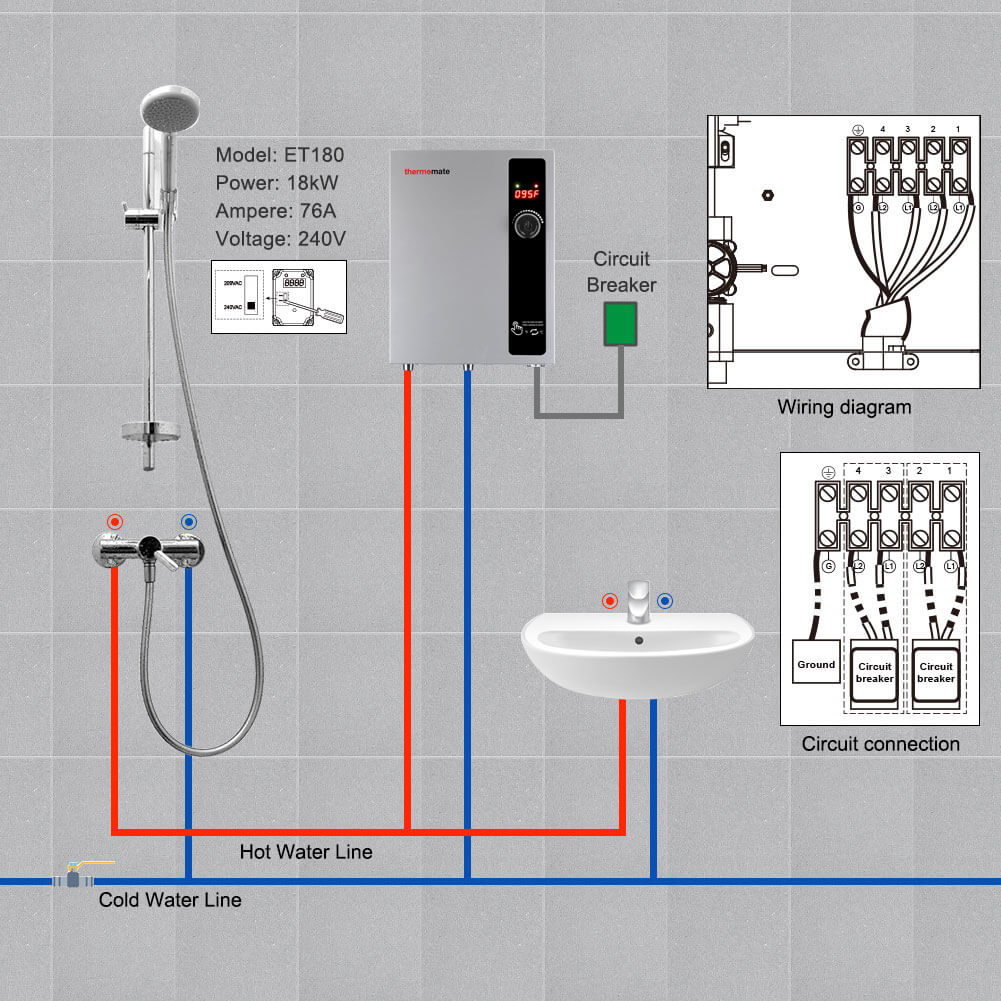
Tankless water heaters need a dedicated circuit breaker sized to handle their power. Usually, this means a breaker rated between 40 to 100 amps, depending on the model’s power demand. Check the heater’s label for exact requirements.
Proper wiring is key. Use thick enough wires to carry the current safely. Wire size depends on the amperage; bigger amps need thicker wires. Common wire sizes for tankless heaters are 8 to 4 gauge.
Most tankless heaters run on 240 volts. This higher voltage helps heat water quickly and efficiently. Make sure your home’s electrical system can supply this voltage before installation.
Energy Efficiency Tips
Choosing the right size tankless water heater saves energy and money. Too small a unit means low hot water flow. Too large wastes power and increases costs. Check your home’s peak hot water needs before buying. Look at the number of bathrooms and appliances using hot water.
Regular maintenance keeps your water heater working well. Clean the filter and flush the system yearly. This removes minerals that lower efficiency. Check for leaks and fix them fast. Proper care helps the heater use less electricity and last longer.
Credit: fisi-on.com
Common Installation Challenges
Power supply limits can cause issues installing tankless water heaters. Many homes have older electrical panels that can’t provide enough amps. This means the heater might not work well or at all.
Space is another common problem. These heaters need enough room for installation and maintenance. Tight spaces make it hard to fit the unit and work around it.
Ventilation is very important. Poor airflow can cause overheating and reduce heater life. Proper vents and clearances must be planned carefully.
| Challenge | Description |
|---|---|
| Power Supply | Older panels may lack enough amps for heater operation. |
| Space | Limited room makes installation and servicing difficult. |
| Ventilation | Poor airflow can cause overheating and damage equipment. |
Credit: www.healingwithhorsesranch.org
Frequently Asked Questions
What Power Source Do Tankless Water Heaters Use?
Tankless water heaters typically use electricity or natural gas as their power source. Electric models require a dedicated high-amperage circuit, while gas models need proper venting and gas supply.
How Much Electricity Does A Tankless Water Heater Need?
Electric tankless water heaters usually require 120 to 240 volts and 100 to 200 amps, depending on their size and capacity. Always check the manufacturer’s specifications before installation.
Can A Tankless Water Heater Run On Solar Power?
Yes, tankless water heaters can be powered by solar energy if paired with an appropriate solar electric system. This setup reduces energy costs and environmental impact.
What Are The Wiring Requirements For Tankless Water Heaters?
Tankless water heaters require a dedicated circuit with appropriate amperage. Proper wiring ensures safety and efficiency, so a licensed electrician should handle installation.
Conclusion
Choosing the right power for your tankless water heater matters a lot. It affects how well your heater works and your energy bills. Check your home’s electrical system before buying one. Correct power ensures steady hot water and safety. Always follow guidelines for installation and maintenance.
This helps your heater last longer and perform better. Understanding power needs keeps your water heater efficient and reliable. Simple steps make a big difference in comfort at home.