
Is your gas water heater leaking water? This problem can quickly turn from a small drip into a big headache.
You might worry about damage to your home or wonder if you need a costly repair. But don’t panic just yet. Understanding why your gas water heater is leaking and what you can do about it could save you time, money, and stress.
Keep reading to discover the common causes, easy fixes, and when it’s time to call a professional. Your home’s comfort and safety depend on it.
Common water heater leaking Leak Sources
Water leaks from a gas water heater are common and can cause damage. Knowing the usual leak points helps find the problem fast. Leaks often come from the tank, pipes, valves, or drains. Each source has its own signs and fixes. Spotting the source early can save money and keep your home safe.
#1: Tank Corrosion
The tank can rust inside or outside. Rust weakens the metal and causes holes. Water drips from these holes. Corrosion happens over time from water and minerals. A leaking tank often means it needs replacement.
#2: Loose Connections
Pipes connect to the heater with fittings. These can loosen from heat or movement. Water leaks from these loose joints. Tightening the connections stops the drip. Check all pipe joints regularly for leaks.
#3: Faulty Pressure Relief Valve
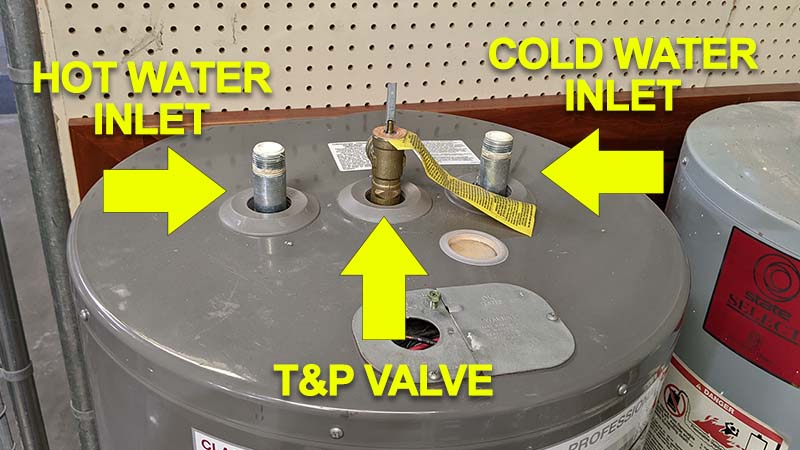
This valve stops too much pressure inside the tank. If it breaks or clogs, water leaks from it. A faulty valve may leak water continuously. Replacing the valve fixes the leak and keeps pressure safe.
#4: Drain Valve Issues
The drain valve empties the tank for cleaning. If not closed tight or broken, water leaks out. A leaking drain valve can waste water and cause damage. Make sure it is closed firmly after use.
Signs Of water heater dripping
Detecting a gas water heater leak early saves you time and money. Leaks can cause damage and reduce heater efficiency. Watch for clear signs to catch problems fast. Below are common symptoms of a leaking gas water heater.
1. Pooling Water
Water collecting around the base of your heater shows a leak. Even small puddles mean trouble. Check the floor often for wet spots or dampness. Ignoring pooling water leads to bigger damage and mold growth.
2. Rust Stains
Rust marks on the tank or nearby walls signal corrosion inside the heater. Rust weakens the metal, causing leaks. Look for orange or brown spots on the tank surface. Rust stains need immediate attention to avoid leaks.
3. Reduced Water Pressure
Low water pressure suggests a leak inside the heater or pipes. Leaks reduce flow and water temperature. Notice if showers or taps feel weaker than usual. Reduced pressure points to hidden leaks that require fixing quickly.
Fixing Minor Leaks
Minor leaks in a gas water heater often cause small water puddles. These leaks can waste water and increase bills. Fixing them early saves money and avoids bigger problems. Simple tools and parts usually fix these leaks fast. Understanding the common causes helps you fix the issue correctly.
Tightening Connections
Loose pipe connections often cause minor leaks. Use a wrench to tighten the fittings around the heater. Turn slowly and check for leaks after each adjustment. Avoid over-tightening to prevent damage. Tight connections stop water from dripping out.
Replacing Seals
Worn-out seals can let water escape from joints. Turn off the water supply before replacing seals. Remove old seals carefully and clean the area. Fit new rubber or silicone seals in place. This stops leaks and keeps the heater working well.
Fixing Drain Valve
The drain valve may drip if it is loose or broken. Tighten the valve with a wrench to stop small leaks. Replace the valve if tightening does not work. Drain valves control water flow during maintenance. Keeping them in good shape prevents water loss.
Credit: thewave.global
When To Call A Professional
Knowing when to call a professional for a gas water heater leak is important. Some issues need expert skills to fix safely and correctly. Acting quickly can prevent more damage or safety risks. Here are key signs that mean it’s time to get professional help.
Tank Replacement Needs
Leaks from the tank itself often mean the unit is old or damaged. A small crack or rust can cause water to drip continuously. Fixing this leak is not easy and can be unsafe. Professionals can check the tank and decide if a full replacement is needed. Replacing the tank stops leaks and ensures your water heater works well.
Complex Valve Repairs
Valves control water flow and pressure inside the heater. If a valve leaks, it can cause water damage or reduce heater efficiency. Some valves are hard to reach or repair without special tools. A professional plumber knows how to fix or replace these valves safely. This keeps your heater running smoothly and avoids future leaks.
Gas Line Concerns
Gas leaks are very dangerous. If you smell gas or see signs near the water heater, do not try to fix it yourself. Gas lines require expert inspection and repair. Professionals have the training to handle gas safely and prevent accidents. Call a professional right away to protect your home and family.
Preventing Future Leaks
Preventing future leaks in your gas water heater is essential for safety and savings. Small leaks can cause big damage over time. Taking steps to keep your heater in good shape can stop leaks before they start. Here are key actions to protect your water heater and home.
Regular Maintenance
Check your gas water heater every few months. Look for signs of rust, corrosion, or moisture. Tighten loose parts and replace worn components. Cleaning the area around the heater also helps prevent damage. Regular upkeep keeps your heater running smoothly and reduces leak risks.
Flushing The Tank
Drain and flush your water heater tank at least once a year. Sediment builds up inside the tank over time. This sediment can cause corrosion and weaken the tank walls. Flushing removes these deposits and extends the tank’s life. Use a garden hose to drain water safely outside.
Monitoring Pressure Levels
High pressure strains your water heater and may cause leaks. Check the pressure relief valve regularly. This valve releases excess pressure to protect the tank. Replace the valve if it does not work properly. Keeping pressure in safe limits reduces leak chances and improves safety.
Installing Leak Detectors
Place leak detectors near your water heater. These devices sense water and alert you quickly. Early warnings can prevent water damage and costly repairs. Some detectors connect to your phone for instant notifications. Leak detectors offer peace of mind and fast response to leaks.
Credit: www.materiaiscastanheira.com.br
Frequently Common Questions
Why Is My Gas Water Heater Leaking Water?
A gas water heater can leak due to corrosion, loose connections, or a faulty valve. Regular maintenance helps detect leaks early and prevents damage.
How Do I Fix A Leaking Gas Water Heater?
First, turn off the gas and water supply. Check and tighten connections. Replace faulty valves or call a professional plumber if needed.
Can A Leaking Gas Water Heater Cause Safety Issues?
Yes, leaks can lead to water damage, rust, or gas hazards. Immediate repair is crucial to avoid safety risks and costly repairs.
How Long Does A Gas Water Heater Typically Last?
Most gas water heaters last 8-12 years. Leaks often signal aging or failing components needing replacement or repair.
Last Line
A leaking gas water heater needs quick attention. Small leaks can cause big problems later. Check pipes and connections for damage or rust. Turn off the gas and water supply to stay safe. Call a professional if the leak continues or you feel unsure.
Regular maintenance helps keep your heater running well. Stay safe and save money by fixing leaks early. Don’t ignore signs of water leaking from your heater. Act now to avoid costly repairs and water damage.