
Are you sure your gas water heater is set to the right temperature? Getting this setting just right can save you money, keep your family safe, and give you the perfect hot shower every time.
Too hot, and you risk burns and wasted energy. Too cool, and you might face cold surprises or even bacteria growth. You’ll discover the ideal temperature settings for your gas water heater and simple tips to adjust it easily. Keep reading to make your water heater work smarter for you!
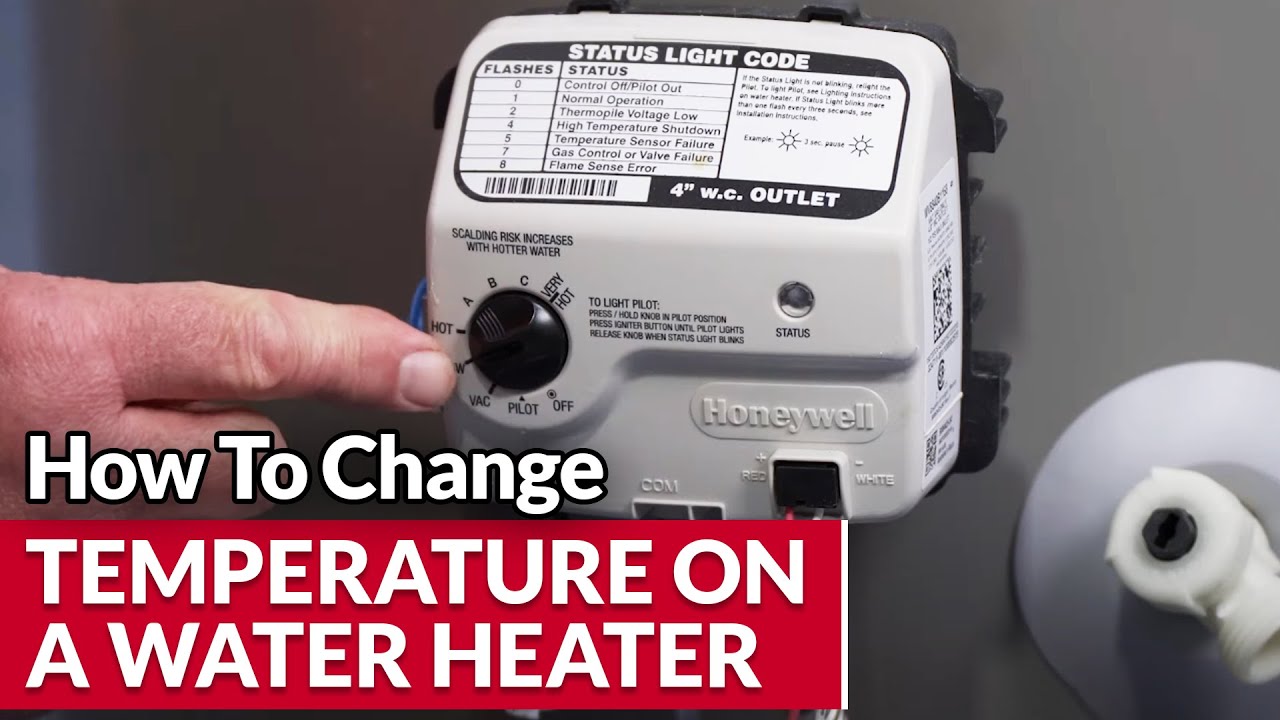
Credit: www.youtube.com
Ideal Temperature Range
Setting the right temperature on your gas water heater is important. It affects comfort, safety, and energy bills. The ideal temperature range helps you get hot water without wasting energy or risking burns. Finding this balance keeps your home safe and saves money.
Balancing Comfort And Energy Use
Set your water heater between 120°F and 140°F. This range gives warm water for showers and cleaning. It also uses less energy than higher settings. Lower temperatures reduce fuel use and cut your bills. You get enough heat without extra costs.
Avoiding Scalding Risks
Water hotter than 140°F can cause burns quickly. Children and older adults are most at risk. Keeping the temperature at 120°F lowers scalding chances. Use anti-scald devices for extra safety. Safe water means peace of mind for your family.

Credit: www.youtube.com
Health And Safety Considerations
Setting the right temperature on your gas water heater is important for health and safety. The temperature can affect the growth of harmful bacteria. It also impacts the risk of burns. Understanding these factors helps keep your home safe and comfortable.
Preventing Bacterial Growth
Bacteria like Legionella can grow in warm water. This bacteria causes Legionnaires’ disease, a serious lung infection. Keeping water heaters at the right temperature helps stop this growth. Water should be hot enough to kill bacteria but not too hot to cause burns.
A temperature of at least 120°F (49°C) is generally safe to prevent bacteria. Lower temperatures increase the risk of bacterial growth. Regularly checking and adjusting the heater helps maintain safety.
Safe Temperature Limits
Water hotter than 120°F can cause burns quickly. Young children and older adults are more vulnerable. Setting the heater above 140°F is unsafe without a mixing valve. Mixing valves lower the water temperature at taps.
Most experts recommend 120°F for daily use. This setting balances safety and comfort. It also saves energy by avoiding overheating. Always test water temperature before use to avoid accidents.
Energy Efficiency Tips
Saving energy with your gas water heater is simple. Adjusting the temperature settings can help lower energy use and cut costs. Small changes make a big difference over time. Focus on smart habits to keep your home warm and your bills low.
Reducing Utility Bills
Set your water heater temperature to 120°F. This level is hot enough for daily needs. It reduces energy waste and keeps bills down. Avoid setting it too high. Higher temperatures use more gas without adding comfort.
Seasonal Temperature Adjustments
Change your water heater setting with the seasons. Lower the temperature in summer to save energy. Increase it slightly in winter for comfort. These small tweaks help balance energy use year-round. Adjustments only take a minute but save money.
Adjusting Your Gas Water Heater
Adjusting your gas water heater is simple and helps save energy. The right temperature keeps your water safe and comfortable. It also prevents overheating and reduces bills. Follow easy steps to find and change the thermostat setting.
Locating The Thermostat
Most gas water heaters have a thermostat behind a small panel. This panel is usually on the front or side of the heater. Turn off the gas and electricity before opening the panel. Use a screwdriver to remove the screws. Inside, you will see a dial or a knob. This is the thermostat control.
Step-by-step Temperature Change
Start by turning off the gas supply. Wait a few minutes for safety. Use a flathead screwdriver to turn the thermostat dial. Turn it to the desired temperature, usually between 120°F and 140°F. Replace the panel and secure the screws. Turn the gas and power back on. Check the water temperature after a few hours.
Troubleshooting Temperature Issues
Troubleshooting temperature issues with your gas water heater helps keep water at the right warmth. It saves energy and prevents discomfort during showers. This section guides you through common problems and fixes.
Water Too Hot Or Too Cold
Water temperature may feel too hot or too cold. Check the thermostat setting first. It should be between 120°F and 140°F for safe use. If the water is still too hot, lower the thermostat slightly. If it is too cold, raise it a bit.
Sometimes, sediment buildup inside the tank affects heating. Flushing the tank can improve temperature control. Also, check the water heater size. A small heater may run out of hot water quickly. A larger one might heat unevenly.
Thermostat Malfunctions
A faulty thermostat can cause temperature problems. It may fail to regulate heat properly. Test the thermostat with a multimeter to check for electrical issues. Replace it if readings are abnormal.
Loose wiring or corrosion can also affect thermostat function. Inspect connections and clean if needed. Always turn off power to the water heater before working on it. Proper thermostat function ensures steady water temperature.

Credit: www.sirelmagroup.it
Advanced Settings And Features
Advanced settings and features in gas water heaters offer better control and efficiency. They help save energy and provide comfort based on your needs. These options make managing water temperature easier and more convenient.
Vacation Mode
Vacation mode lowers the heater’s temperature when you are away. It prevents wasting gas by reducing heating during long absences. This mode protects the heater from freezing in cold weather. When you return, it quickly warms water back to normal.
Smart Controls
Smart controls let you adjust temperature using your phone or tablet. They offer remote access and scheduling to fit your daily routine. These controls provide alerts for maintenance and energy use. Smart features help keep your water heater efficient and reliable.
Frequently Asked Questions
What Is The Ideal Temperature For Gas Water Heaters?
The ideal temperature for gas water heaters is 120°F (49°C). This setting saves energy, prevents scalding, and provides comfortable hot water for daily use.
How Do I Adjust My Gas Water Heater Temperature?
Locate the thermostat dial on your gas water heater. Turn it to your desired temperature, usually between 120°F and 140°F, and wait for the water to adjust.
Why Should I Avoid Setting Gas Water Heater Above 140°f?
Setting above 140°F risks serious burns and wastes energy. It can also damage the heater and increase utility bills unnecessarily.
How Does Temperature Affect Gas Water Heater Efficiency?
Lower temperatures improve efficiency by reducing heat loss. Keeping it at 120°F balances energy savings and hot water needs effectively.
Conclusion
Setting the right temperature on your gas water heater saves energy and keeps you safe. Too hot can cause burns, too cold may not clean well. Aim for a balance around 120°F for comfort and safety. Check your heater regularly to keep it working well.
Small changes make a big difference in your home’s comfort. Keep these tips in mind for better water heating every day. Simple steps lead to smarter energy use and peace of mind.