
Is your gas water heater making noise? That constant banging, popping, or rumbling sound can be more than just annoying—it might be a sign that something is wrong.
You rely on your water heater every day, and when it starts acting up, it can disrupt your comfort and even lead to costly repairs. But don’t worry, understanding why your gas water heater is noisy can help you fix the problem quickly and keep your home running smoothly.
Keep reading to discover the common causes of these sounds and what you can do about them before things get worse.
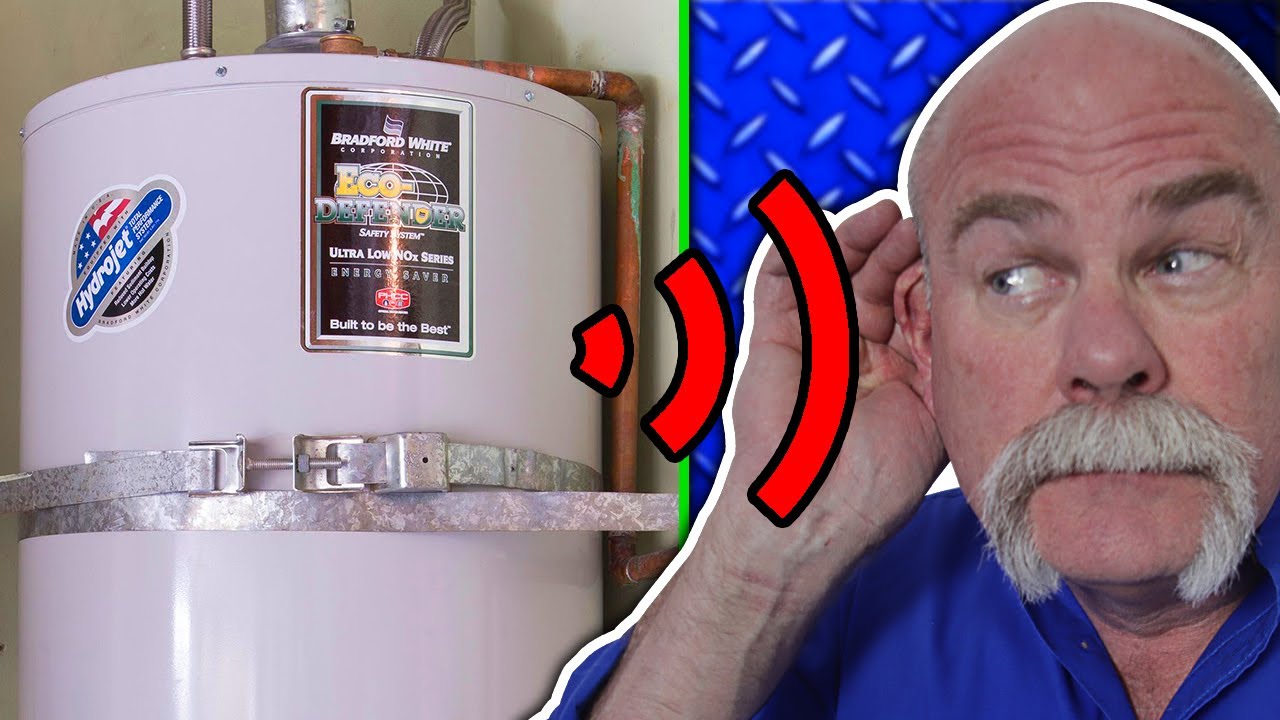
Credit: www.youtube.com
Common Noise Types
Gas water heaters can make different noises during use. These sounds often signal issues inside the unit. Recognizing common noise types helps you understand if your heater needs attention.
Many noises come from normal heating processes, but some hint at problems. Listening carefully to these sounds can save you from bigger repairs.
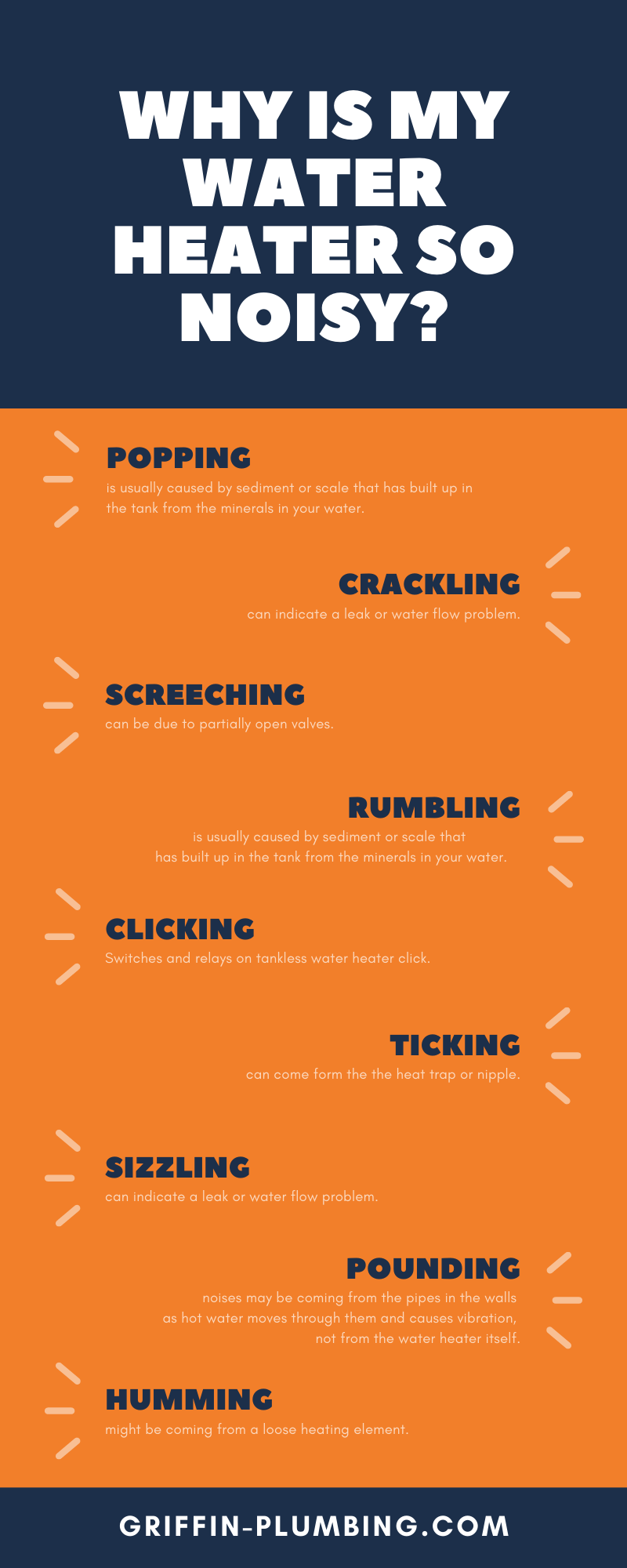
Banging And Popping Sounds
Banging or popping usually happens from sediment buildup. Sediment traps water under the heater’s bottom plate. Trapped water boils and creates pressure, causing loud pops.
This noise means the tank needs flushing. Ignoring it can damage the heater over time.
Whistling And Hissing
Whistling or hissing sounds often come from gas flow issues. A loose gas valve or narrow pipe can cause these noises. It may also happen if air mixes with gas inside the burner.
These sounds warn of gas leaks or blockages. Fixing them quickly is important for safety.
Rattling And Vibrating
Rattling and vibrating noises happen when parts inside the heater are loose. Pipes, valves, or the burner assembly might move or shake. Loose parts create a constant rattling sound.
Checking and tightening these parts stops the noise and prevents damage.
Knocking Noises
Knocking sounds come from water hammer or pressure changes. Sudden changes in water flow cause pipes to knock. It can also mean the heater’s thermostat is faulty.
Knocking can harm pipes and reduce heater efficiency. It needs a quick check by a professional.
Credit: healingwithhorsesranch.org
Causes Behind Noises
Gas water heaters can make noises for several reasons. These sounds often signal that something needs attention. Understanding these causes helps you fix problems quickly. It also keeps your heater running safely and efficiently.
Sediment Buildup
Minerals in water settle at the tank’s bottom over time. This sediment traps heat and causes popping sounds. The buildup reduces heater efficiency and can damage the tank. Flushing the tank regularly removes sediment and stops noise.
Water Pressure Issues
High water pressure can create banging or knocking noises. This happens when water moves fast inside pipes and heater parts. Low pressure might cause strange sounds too. Checking and adjusting water pressure can solve these problems.
Loose Components
Parts inside the heater can loosen with use. Loose pipes, valves, or screws often rattle or vibrate. Tightening or replacing these parts stops the noise. Regular inspection helps find loose components early.
Gas Supply Problems
Irregular gas flow makes the heater sputter or hiss. This noise shows the burner is not working well. Gas supply issues can affect heater performance and safety. A professional should check and fix gas supply problems.
Faulty Pilot Light
A weak or dirty pilot light causes clicking or popping sounds. It may go out or fail to ignite properly. Cleaning or adjusting the pilot light often stops these noises. Proper pilot light function is vital for heater operation.
Quick Fixes For Noise
Noisy gas water heaters can be annoying and worrying. Many sounds come from simple issues. Fixing these noises can be quick and easy. Some fixes do not need a professional. Try these easy steps to quiet your heater fast.
Flushing The Tank
Minerals and sediment build up inside the tank. This causes popping or rumbling sounds. Flushing the tank removes these deposits. Turn off the gas and water supply. Open the drain valve and let water flow out. Close the valve and refill the tank. This clears sediment and reduces noise.
Adjusting Water Pressure
High water pressure makes loud banging noises. Check your home’s water pressure with a gauge. The ideal range is 40 to 60 psi. Reduce pressure using a pressure regulator. Lower pressure keeps pipes calm and quiet. It protects your heater and plumbing too.
Tightening Loose Parts
Loose parts inside the heater cause rattling sounds. Check pipes, valves, and connections. Use a wrench or screwdriver to tighten them. Secure parts stop vibrations and noise. Regular checks prevent bigger problems later.
Checking Gas Lines
Gas lines may cause hissing or whistling noises. Inspect the lines for leaks or damage. Turn off the gas before checking. Tighten connections and replace worn parts. A safe, sealed gas line keeps noise down and prevents hazards.
Relighting The Pilot
A weak pilot flame makes popping or clicking sounds. Turn off the gas and wait five minutes. Follow your heater’s instructions to relight the pilot. A strong flame burns cleanly and quietly. This simple step often stops odd noises.
When To Call A Professional
Gas water heaters can make noise for many reasons. Some noises are normal. Others show a problem. Knowing when to call a professional helps keep you safe. It also protects your water heater from damage.
Simple noises like small popping sounds may not need a repair. But certain signs mean you should get expert help fast. These signs can point to serious issues. A professional can find the cause and fix it safely.
Persistent Noises
Noise that does not stop is a warning. Rumbling, banging, or loud popping sounds show a buildup inside the tank. Sediment hardens and traps heat. This can damage the heater. A technician can clean the tank and check for damage.
Gas Smell Or Leak
Smelling gas near your heater is dangerous. It means there might be a leak. Gas leaks can cause fires or explosions. Turn off the gas supply and leave the house. Call a professional right away. Do not try to fix it yourself.
Pilot Light Won’t Stay Lit
The pilot light should burn steadily. If it keeps going out, there may be a gas or air flow problem. This can stop your heater from working. A technician can inspect and fix the pilot light safely.
Water Temperature Fluctuations
Water that suddenly gets very hot or cold is a sign of trouble. This can mean a faulty thermostat or a damaged heating element. Uneven water temperature wastes energy. A professional can find the cause and repair it.
Maintenance Tips To Prevent Noise
Noise from a gas water heater can be annoying and signal future problems. Regular maintenance helps keep your heater quiet and running well. Simple care steps can stop noises before they start. Follow these easy tips to maintain your heater and avoid noise issues.
Regular Tank Flushing
Flushing the tank removes sediment buildup. Sediment causes popping and rumbling sounds. Drain a few gallons from the tank every six months. Use cold water to flush out dirt and minerals. This keeps your heater clean and quiet.
Inspecting Components
Check the heater parts regularly. Look for loose or worn components. Tighten any loose screws or bolts. Replace worn-out parts quickly. This stops rattling and banging noises. Regular checks ensure smooth operation.
Monitoring Water Pressure
Water pressure affects heater noise. High pressure can cause banging sounds. Use a pressure gauge to check levels. Keep pressure within the recommended range. Adjust pressure if it is too high or low. Balanced pressure helps reduce noise.
Scheduling Professional Inspections
Have a professional inspect your heater yearly. Experts spot hidden problems early. They clean and tune the heater properly. Professional care prevents noises and extends heater life. Schedule visits to keep your heater silent and safe.
:max_bytes(150000):strip_icc()/water-heater-problem-making-noises-4103881-05-43c9afefbeb74ebca29f497b30846a0d.jpg)
Credit: www.icecreamfactoryny.com
Frequently Asked Questions
Why Is My Gas Water Heater Making Loud Noises?
Loud noises often result from sediment buildup inside the tank. Sediment traps heat, causing popping or rumbling sounds. Regular flushing can remove deposits and reduce noise. Ignoring it may damage the heater or lower efficiency.
How Can I Fix A Noisy Gas Water Heater?
First, try flushing the tank to remove sediment. Check the burner for dirt or blockage. Adjust the thermostat to a lower setting. If noise persists, contact a professional for inspection and repair.
Is A Noisy Gas Water Heater Dangerous?
Noises alone are usually not dangerous but can indicate underlying issues. Sediment buildup or pressure problems may damage the heater over time. Early maintenance prevents costly repairs and ensures safe operation.
What Causes Popping Sounds In Gas Water Heaters?
Popping sounds come from trapped water vapor escaping sediment layers. Sediment buildup at the tank’s bottom causes uneven heating. Flushing the tank regularly reduces these sounds and improves heater efficiency.
Conclusion
A noisy gas water heater can signal common issues. Fixing these noises early saves money and stress. Regular cleaning and maintenance help keep it quiet. Strange sounds might mean sediment buildup or loose parts. Always check the heater and call a professional if unsure.
Quiet operation means your water heater works well. Stay alert to noises for safe, warm water every day.