Imagine turning on your tap for hot water, only to find cold water flowing instead. If you rely on a tankless hot water heater, a power outage can suddenly leave you without the comfort you expect.
You might wonder why this happens and what you can do to avoid it. You’ll discover how power outages affect your tankless water heater and simple steps you can take to keep your hot water flowing, even when the electricity goes out.
Keep reading to make sure you’re never caught off guard again.
Tankless Water Heaters And Power Needs
Tankless water heaters provide hot water on demand without storing it. They heat water only when needed. This design saves energy and space.
These heaters rely on electricity to work properly. Without power, they cannot heat water. Understanding their power needs helps prepare for outages.
How Tankless Heaters Operate
Tankless heaters use electric or gas burners to heat water instantly. When you open a hot water tap, cold water flows through the unit.
The heater senses the water flow and activates the heating element quickly. Water heats as it moves through the system. This process requires precise control.
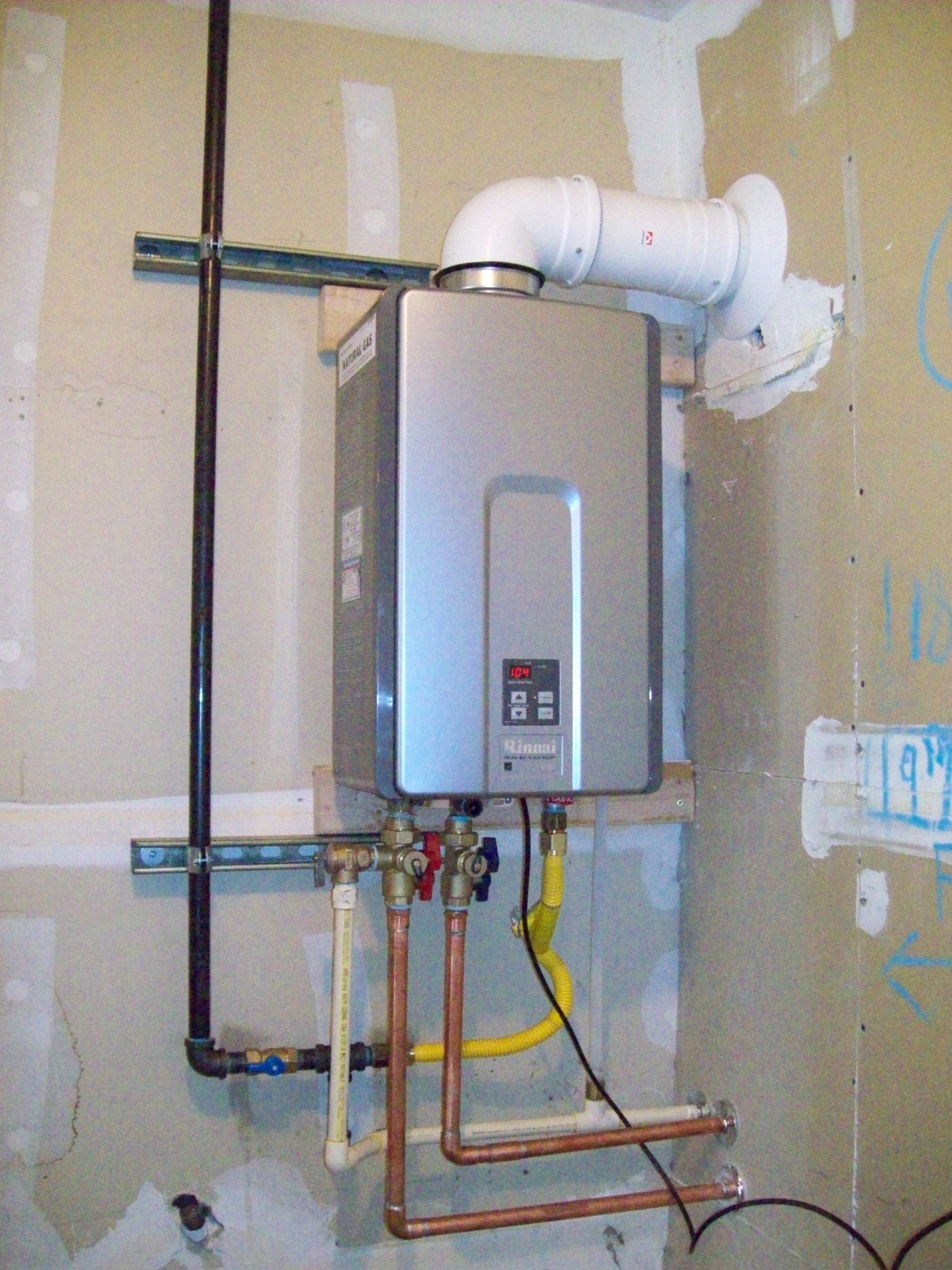
The system depends on electricity for sensors, the control board, and the heating mechanism. No electricity means no heat, even if gas is available.
Electrical Requirements
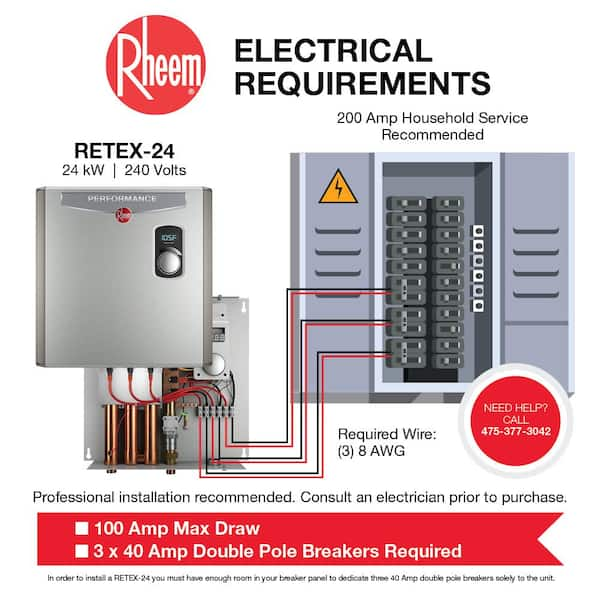
Tankless heaters need a stable electrical supply to function. They often require a higher voltage than standard outlets provide.
Many models use 240 volts and need dedicated circuits. This setup ensures enough power for quick heating.
Power outages stop the heater from working. Without electricity, the system cannot heat water. Backup power options can keep it running during outages.
Credit: fisi-on.com
Common Causes Of Power Outages
Power outages can disrupt the function of your tankless hot water heater. Understanding the common causes of power outages helps you prepare better. Power interruptions may occur for several reasons. Some causes are outside your control, but knowing them is useful.
Storms often cause power outages. Heavy rain, snow, or ice can damage power lines. Strong winds may knock down trees onto cables. Lightning strikes can also disrupt electricity. These weather events create sudden power loss. The outages may last hours or days.
Grid Failures
Electric grids sometimes fail due to high demand. When too many people use electricity, the grid can overload. Equipment failure at power plants also causes outages. Scheduled maintenance may cut power temporarily. Grid failures affect many homes and businesses at once.
Internal Electrical Issues
Problems inside your home may cause power loss. Faulty wiring or circuit breakers can trip. Overloaded circuits may shut off electricity. Your tankless water heater needs a steady power supply. Internal electrical issues can stop it from working properly.
Impact Of Power Outages On Tankless Heaters
Power outages affect tankless hot water heaters in several ways. These heaters rely on electricity to work. Without power, they cannot heat water. This impact can cause inconvenience and possible damage to the system. Understanding these effects helps prepare for power loss events.
Loss Of Hot Water Supply
Tankless heaters need electricity to activate their heating elements. During a power outage, the unit stops working immediately. No hot water flows from the taps. This sudden loss affects daily tasks like bathing, cooking, and cleaning. Homes without backup power face extended periods without hot water.
Potential Damage Risks
Power outages can cause more than just inconvenience. Some tankless heaters risk damage if power cuts happen often. Sudden shutoffs may strain electrical components. Water inside the unit can freeze in cold weather, causing pipes to burst. Without power, protective features cannot function properly. This may lead to costly repairs or replacements.
Credit: www.genexuk.co.uk
Backup Power Options
Power outages can stop your tankless hot water heater from working. Backup power options keep hot water flowing during blackouts. Choosing the right backup depends on your home needs and budget. Here are some common solutions to consider.
Battery Backup Systems
Battery backup systems store electricity for use during outages. They turn on automatically when power goes out. These systems are quiet and require little space. Battery backups work well for short power interruptions. They provide reliable energy for your tankless heater.
Portable Generators
Portable generators run on gasoline or propane. They provide power for a few hours or days. You can move them to different locations. Portable generators need manual setup and fuel refills. They are good for temporary power needs.
Whole-house Generators
Whole-house generators connect directly to your home’s electrical system. They turn on automatically during power loss. These generators run on natural gas or propane. They keep all appliances, including your hot water heater, running. Whole-house generators require professional installation.
Solar Power Solutions
Solar power uses sunlight to create electricity. Solar panels charge batteries that supply backup power. This system is eco-friendly and lowers energy bills. Solar power works best in sunny areas. It offers a long-term backup option for your hot water needs.
Choosing The Right Backup Solution
Choosing the right backup solution for a tankless hot water heater is important. Power outages can stop your hot water supply. A good backup keeps hot water flowing without interruption. Consider power needs, budget, and installation before selecting a backup option.
Assessing Power Needs
Calculate how much power your heater uses. Check the wattage on the unit’s label. Include other devices you want to power during an outage. This helps find a backup that meets your home’s needs. Choose a backup that can handle peak power use.
Budget Considerations
Backup solutions vary in cost. Generators and battery systems have different price ranges. Balance your budget with your power needs. Cheaper options may not provide enough power. Investing more can ensure reliable hot water during outages.
Installation Requirements
Some backups need professional installation. Generators require space and proper ventilation. Battery systems might need special wiring. Check local codes and safety rules. Proper installation ensures your backup works safely and well.
Maintenance Tips For Backup Systems
Backup systems for tankless hot water heaters are important during power outages. Proper care keeps them ready to work anytime. This section offers simple tips to maintain these systems well.
Regular maintenance helps avoid problems and extends the system’s life. Follow these easy steps to ensure your backup system runs smoothly.
Regular Testing
Test your backup system once a month. Switch it on and check if it heats water properly. Look for any strange sounds or leaks. Regular tests show problems early. Fix small issues before they grow bigger. This keeps your hot water running during outages.
Battery Care
Backup systems often use batteries. Check battery charge levels regularly. Replace old or weak batteries on time. Clean battery terminals to avoid corrosion. Keep batteries in a cool, dry place. Good battery care ensures the system starts quickly when needed.
Fuel Storage And Safety
Many backup heaters need fuel like propane or natural gas. Store fuel in a safe, ventilated area. Keep containers away from heat and flames. Check fuel levels before storms or expected outages. Use proper containers to avoid leaks. Safe fuel storage protects your home and keeps the heater ready.
Safety Precautions During Power Outages
Power outages can disrupt your tankless hot water heater and cause safety risks. Taking the right safety steps keeps you and your home safe. Knowing what to do prevents accidents and damage.
Follow these safety tips during power outages to protect your family and appliances.
Proper Generator Use
Use generators outside your home only. Place them far from doors and windows. This prevents harmful fumes from entering your home. Never plug a generator directly into a wall outlet. Use a heavy-duty extension cord made for outdoor use. Turn off the generator before refueling to avoid fires.
Avoiding Carbon Monoxide Risks
Carbon monoxide is a deadly gas that has no smell or color. Install carbon monoxide detectors near bedrooms and the tankless water heater. Check batteries regularly. Never run fuel-burning devices indoors. Open windows and doors if using a generator outside. Stay alert to symptoms like headache or dizziness.
Electrical Safety Practices
Turn off electrical appliances during outages to avoid surges. Avoid touching electrical equipment with wet hands. Use flashlights instead of candles to prevent fires. Call an electrician if your tankless heater shows signs of damage. Keep cords and outlets dry and in good condition.

Credit: www.plaveka.nl
Frequently Asked Questions
What Happens To A Tankless Water Heater During Power Outage?
A tankless water heater requires electricity to operate its ignition system. During a power outage, it cannot heat water. No hot water will be available until power is restored, as the unit depends on electricity to function.
Can A Tankless Water Heater Work Without Electricity?
No, tankless water heaters need electricity to ignite the burners and run controls. Without power, the unit will not heat water, making it unusable during outages.
How To Get Hot Water During A Power Outage?
To get hot water during a power outage, use an alternative source like a gas water heater with a pilot light or heat water manually on a stove. Consider installing a backup generator for continuous power supply.
Are Tankless Water Heaters Safe In Power Outages?
Tankless water heaters are safe during power outages because they simply stop working. There is no risk of gas leaks or overheating since the system shuts down without electricity.
Conclusion
Tankless hot water heaters stop working during power outages. This means no hot water until power returns. Some models have battery backup options for short outages. Regular maintenance helps prevent unexpected failures. Knowing your heater’s limits can save frustration. Prepare with alternative hot water sources when needed.
Staying informed helps you handle outages calmly. Hot water is essential, but power is key. Plan ahead to keep your home comfortable and safe.