
Is your tankless water heater making noise and leaving you worried? You rely on it for hot water every day, so strange sounds can be frustrating and even alarming.
But don’t ignore those noises—they often signal something that needs your attention. You’ll discover why your tankless water heater might be making noise and what simple steps you can take to fix it before a small problem turns into a costly repair.
Keep reading to protect your comfort and your wallet.
Credit: www.genexuk.co.uk
Common Noises From Tankless Water Heaters
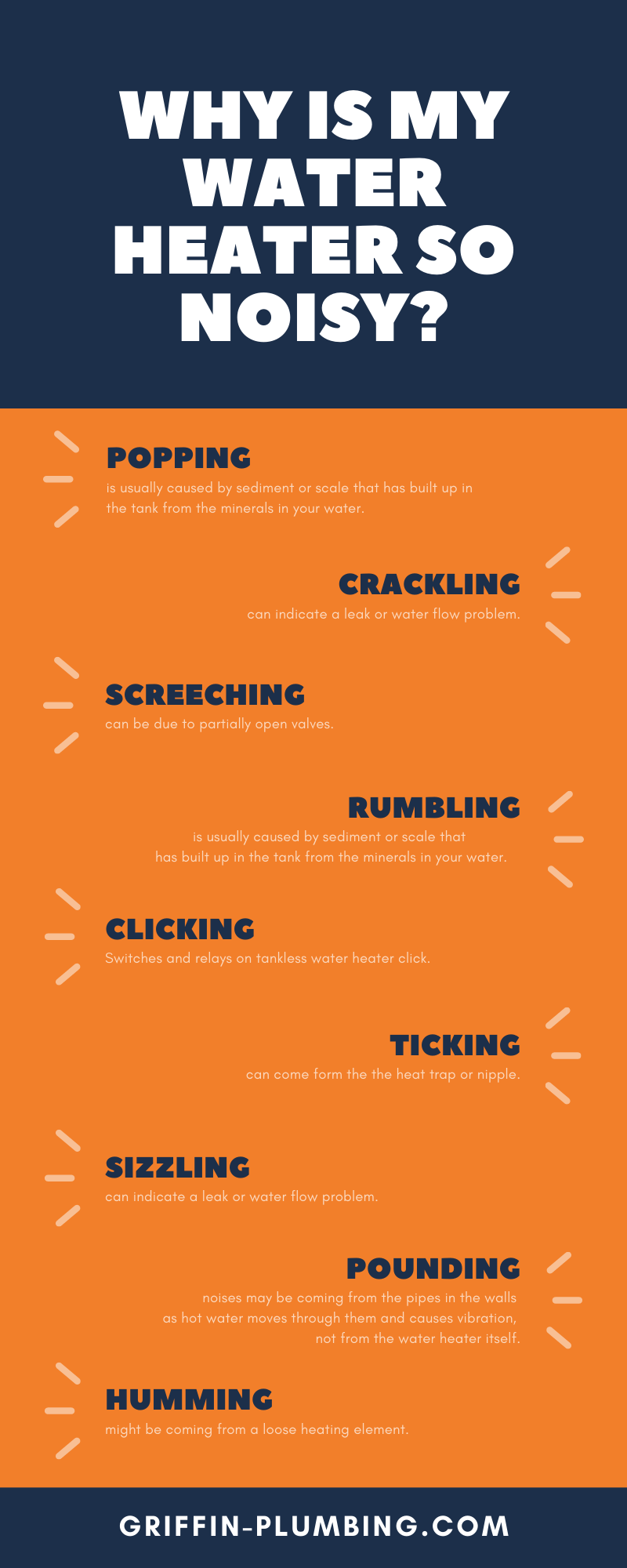
Tankless water heaters can make different noises during use. These sounds often indicate normal operation or small issues. Knowing what each noise means helps keep your heater working well. Some common noises include rattling, popping, humming, and whistling. Each noise has a reason and may need attention.
Rattling Sounds
Rattling happens when parts inside the heater vibrate. Loose screws or debris can cause this sound. Sometimes, pipes hitting the heater create rattling. This noise usually means something needs tightening or cleaning.
Popping Or Tapping
Popping or tapping sounds come from mineral buildup. When water heats, minerals can create bubbles that pop. This is common in hard water areas. The noise shows the heater may need flushing to remove buildup.
Humming Or Buzzing
Humming or buzzing comes from electrical parts or the fan. A weak connection or dirty fan blades cause this sound. It can also mean the heater is working hard. Checking wiring and cleaning parts often fixes this noise.
Whistling Or Squealing
Whistling or squealing happens when water flows through narrow pipes or valves. It may also come from pressure changes inside the heater. These sounds can warn of blockages or worn parts. Cleaning or replacing valves usually stops the noise.
:max_bytes(150000):strip_icc()/water-heater-problem-making-noises-4103881-06-fdc4d0c7931b45fdab7d820144753c8b.jpg)
Credit: comunicar.org
Reasons Behind The Noise
Tankless water heaters are known for their efficiency and compact design. Yet, strange noises can sometimes interrupt their quiet operation. Understanding the reasons behind these noises helps in fixing the problem quickly. Various factors can cause your tankless water heater to make sounds.
Mineral Buildup And Scale
Hard water contains minerals like calcium and magnesium. These minerals build up inside the heater over time. The buildup causes popping or crackling noises. It also reduces heating efficiency and may damage the unit.
Loose Components
Vibrations during heating can loosen parts inside the heater. Loose screws, panels, or pipes create rattling or knocking sounds. Checking and tightening these parts can stop the noise and prevent further damage.
High Water Pressure
Excessive water pressure forces water through the heater too fast. This pressure causes banging or hammering noises. A pressure regulator can help maintain safe levels and reduce noise.
Air In The System
Air trapped in water pipes or the heater causes gurgling or sputtering noises. Air pockets disturb smooth water flow. Bleeding the system removes trapped air and quiets the heater.
Faulty Heating Elements
Heating elements can wear out or break over time. Faulty elements produce buzzing or humming sounds. Replacing damaged elements restores quiet and efficient heating.
Sediment Accumulation
Over time, sediments settle at the bottom of the heater. This buildup causes rumbling or popping noises as water heats. Flushing the system removes sediment and stops the sound.
Quick Fixes For Noisy Heaters
Tankless water heaters can start making noise for many reasons. These sounds can be annoying and may signal small problems. Quick fixes often solve noise issues fast. Simple steps can help your heater run quietly again. Here are easy ways to stop the noise.
Flushing The System
Mineral build-up can cause noise inside the heater. Flushing removes these deposits. Turn off the heater and water supply first. Connect a hose to the drain valve. Run a vinegar solution through the system. This cleans the inside and reduces noise. Flush the system once a year to keep it quiet.
Tightening Loose Parts
Loose parts can rattle and make noise. Check screws, bolts, and panels on the heater. Use a screwdriver or wrench to tighten them carefully. Don’t overtighten to avoid damage. Tightening parts often stops the rattling sound quickly.
Adjusting Water Pressure
High water pressure causes banging or knocking sounds. Check your home’s water pressure with a gauge. Ideal pressure is usually between 40 and 60 psi. Lower the pressure if it is too high. Use the pressure regulator to adjust it. This reduces noise and protects the heater.
Bleeding Air From Pipes
Air trapped in pipes creates banging sounds. To remove air, open all hot water taps fully. Let the water run for several minutes. This pushes the air out of the pipes. After bleeding, the noise should decrease or stop.
Replacing Faulty Components
Some parts wear out and cause noise. Common culprits include valves, thermostats, and heating elements. Inspect these parts for damage or wear. Replace any faulty components with new ones. This fix may require a professional’s help. New parts restore quiet and efficient heater operation.
Credit: www.healingwithhorsesranch.org
Maintenance Tips To Prevent Noise
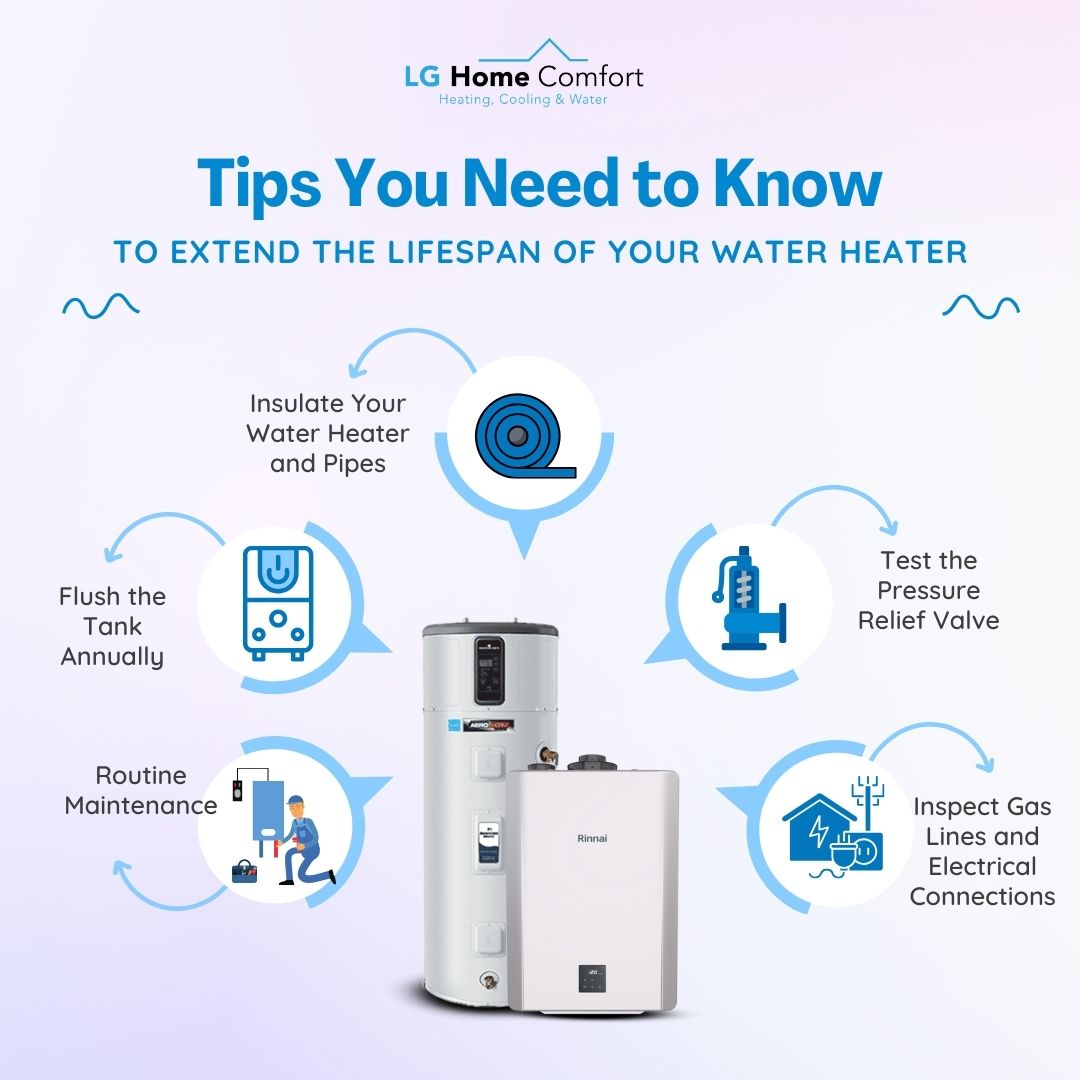
Tankless water heaters can make noise if not properly maintained. Regular care helps keep your unit quiet and efficient. Follow these simple tips to prevent noise and extend your heater’s life.
Regular Descaling
Mineral buildup inside the heater causes noise and reduces efficiency. Descale the unit regularly to remove these deposits. Use a descaling solution made for water heaters. This keeps the heater clean and quiet.
Scheduled Inspections
Check your water heater often for any signs of wear or damage. Look for loose parts, leaks, or unusual sounds. Early detection helps avoid bigger problems and noisy operation.
Water Quality Checks
Hard water increases mineral buildup and noise. Test your water quality regularly. Consider using a water softener if hardness levels are high. This protects your heater and reduces noise.
Professional Servicing
Hire a professional technician for yearly maintenance. They can clean, inspect, and repair your heater properly. Professional care ensures your unit runs smoothly and quietly.
When To Call A Professional
Tankless water heaters should work quietly. Some noise is normal but loud or strange sounds are not. Knowing when to call a professional can save you time and money. It helps avoid bigger problems later. Watch for signs that need expert attention.
Here are clear signs that you need professional help with your tankless water heater noise.
Persistent Noise Issues
Small noises are okay at times. Loud noises that do not stop need checking. Continuous banging, popping, or humming means something is wrong. The problem might be inside the unit or pipes. A professional can find the root cause fast. They have the right tools and skills.
Signs Of Damage
Noise can mean parts are damaged. Look for water leaks or rust near the heater. Strange smells or smoke are serious warning signs. Damage inside the heater can cause noise and failure. Do not ignore these signs. Call a technician to inspect and fix the damage safely.
Safety Concerns
Noise might show safety issues. Gas leaks, electrical faults, or overheating can cause sounds. These risks can harm your home and health. Do not try to fix these problems yourself. Professionals know how to handle safety hazards correctly. They keep your family and property safe.
Frequently Asked Questions
Why Is My Tankless Water Heater Making Noise?
A tankless water heater may make noise due to mineral buildup, sediment, or water flow issues. These cause vibrations or popping sounds. Regular maintenance and flushing can reduce noise and improve performance.
How Can I Stop My Tankless Water Heater Noise?
To stop noise, flush the heater regularly to remove minerals. Check for loose parts and secure them. Also, ensure proper water pressure and install a water softener if you have hard water.
Is Noise From Tankless Heaters Normal?
Some noise is normal, like slight humming or water flow sounds. However, loud banging or popping indicates a problem, such as sediment buildup, which needs attention to avoid damage.
Can Hard Water Cause Tankless Water Heater Noise?
Yes, hard water causes mineral deposits inside the heater. These deposits create popping or rumbling noises. Using a water softener and regular flushing helps prevent noise and extends heater life.
Conclusion
A noisy tankless water heater can signal a problem. Check for scale buildup or loose parts inside. Regular cleaning helps keep it running quietly. Don’t ignore strange sounds; they can get worse. Fixing noise early saves money and stress. Call a professional if unsure about repairs.
Quiet water heaters mean better comfort at home. Keep your system well-maintained for long-lasting use. Simple care makes a big difference over time. Stay alert to sounds; your heater will thank you.