Is your tankless water heater not hot enough to give you the warm shower you deserve? You rely on it every day, but when the water temperature drops, it’s frustrating and inconvenient.
Understanding why this happens and how to fix it can save you time, money, and stress. You’ll discover simple reasons behind the problem and easy solutions to get your water heater working perfectly again. Keep reading to reclaim the comfort you expect from your hot water system.
Common Causes Of Low Heat
Tankless water heaters offer endless hot water, but sometimes the heat feels weak. Low heat can frustrate anyone expecting warm showers. Understanding common causes helps fix the problem fast. This section covers the main reasons for low heat in tankless water heaters.
Inadequate Water Flow
Tankless heaters need enough water flow to work well. Low flow reduces heat output. Blocked pipes or closed valves can lower water flow. Flow sensors may also fail, causing weak heating.
Sediment Buildup
Hard water leaves mineral deposits inside the heater. Sediment blocks heat transfer and clogs pipes. This buildup lowers water temperature. Regular cleaning helps avoid this problem.
Incorrect Temperature Settings
Sometimes the heater settings are too low. Check the thermostat for correct temperature. Set it between 120°F and 140°F for best results. Too low settings cause lukewarm water.
Faulty Heating Elements
Electric tankless heaters use heating elements. These parts can wear out or break. Faulty elements do not heat water properly. Replacing damaged elements restores heat quickly.
Gas Supply Issues
Gas heaters rely on steady fuel supply. Low gas pressure or blockages reduce heat output. Inspect gas lines and valves for problems. Gas supply issues often cause weak hot water.
Quick Troubleshooting Steps
Tankless water heaters sometimes deliver water that is not hot enough. Quick troubleshooting can help fix this issue. Follow these simple steps to check and solve common problems.
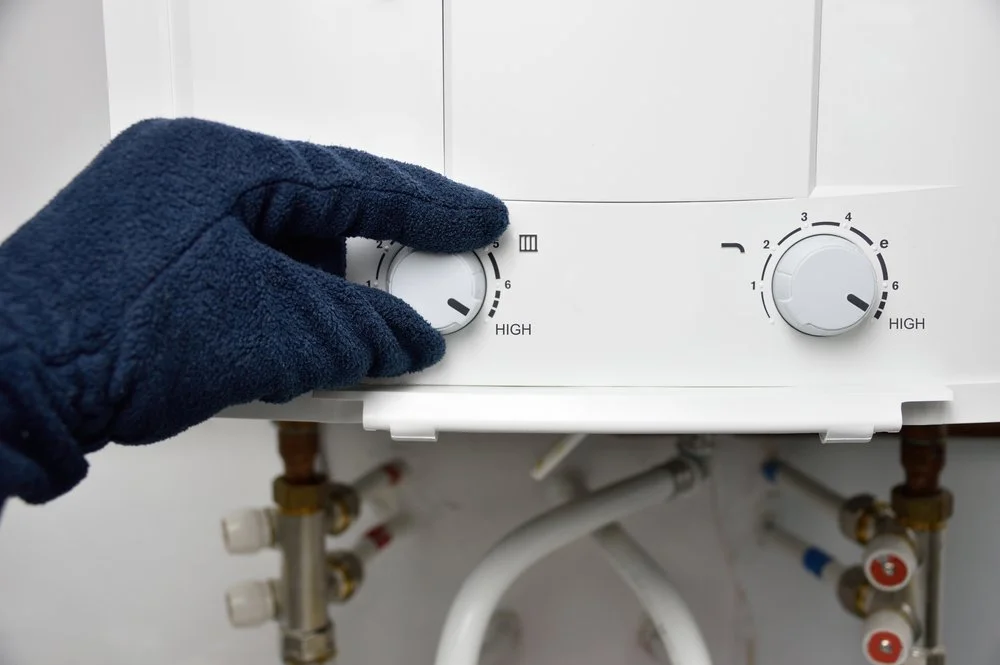
Check Temperature Settings
First, check the temperature setting on your water heater. Make sure it is set to at least 120°F (49°C). Lower settings can cause lukewarm water. Adjust the thermostat to a higher temperature if needed. This step often solves the problem fast.
Inspect Water Flow Rate
Tankless heaters need a certain water flow to work well. Low flow rates can cause water to be cooler than expected. Check if any faucets or showerheads are partly closed or clogged. Open valves fully and clean aerators to improve flow.
Reset The Unit
Sometimes, the unit may need a reset to work properly. Turn off the power or gas supply to the heater. Wait for a few minutes, then turn it back on. This can clear minor errors and restore proper heating.
Clean The Filter
A dirty filter can block water flow and lower water temperature. Locate the filter on your tankless heater and remove it carefully. Rinse the filter under running water to clear debris. Reinstall the clean filter to improve performance.
Diy Fixes For Better Heating
Tankless water heaters sometimes deliver lukewarm water. Small problems can cause this issue. Many fixes are easy and do not need a pro. You can try some simple steps at home. These actions can improve heating quickly and save money.
Flush The System
Mineral build-up blocks water flow inside the heater. Flushing removes these deposits. Turn off power and water supply first. Attach a hose to the drain valve. Run vinegar or a descaling solution through the system. This clears out scale and improves heating.
Adjust The Thermostat
The thermostat may be set too low. Check the temperature setting on the unit. Increase it in small steps. A setting around 120°F is safe and efficient. This helps the heater deliver hotter water without strain.
Replace Heating Elements
Old or damaged heating elements reduce water temperature. Turn off power before starting. Remove the access panel and check elements for wear. Replace faulty elements with new ones. This can restore proper heating performance.
Clear Air Supply Blockages
Blocked air supply can cause poor heating. Inspect vents and air intake for dust or debris. Clean these areas carefully. Good airflow helps the heater run smoothly and heat water better.

Credit: site-craft.net
When To Call A Professional
Knowing when to call a professional for a tankless water heater problem is important. Small issues might seem easy to fix. Yet, some problems need expert care. Calling a professional can save time and prevent damage. It also keeps your home safe and your heater working well.
Persistent Heating Problems
If your water heater never gets hot enough, even after adjustments, call a professional. They check the system for hidden faults. Persistent problems can mean parts are worn out or blocked. Experts can diagnose and fix issues quickly.
Gas Line Concerns
Gas-powered water heaters need a steady gas supply. If you smell gas or see yellow flames, stop using it. These signs show gas leaks or poor combustion. Only a trained technician should handle gas line problems. It is risky and needs special tools.
Electrical Issues
Electric tankless water heaters need the right power supply. Flickering or no power can mean electrical faults. A professional electrician tests wiring and connections safely. Do not try to fix electrical issues yourself. It can cause shocks or fires.
Warranty And Safety Checks
Many tankless water heaters come with a warranty. Repairing the unit yourself can void this coverage. Professionals know how to keep the warranty valid. They also perform safety checks to prevent accidents. Regular professional checks extend the heater’s life.
Maintenance Tips To Avoid Heat Loss
Maintaining a tankless water heater helps keep water hot and saves energy. Heat loss causes water to feel cooler than expected. Simple steps can prevent this problem and extend the heater’s life.
Regular Flushing Schedule
Mineral buildup blocks heat transfer inside the heater. Flush the system every six months to clear deposits. Use vinegar or a descaling solution for best results. This keeps water flowing and heat consistent.
Monitor Water Pressure
Low or high water pressure affects heater performance. Check pressure regularly using a gauge. Adjust pressure to the recommended level for your model. Balanced pressure ensures steady hot water delivery.
Keep Vents Clear
Blocked vents reduce airflow and cause overheating. Inspect vents often for dust, debris, or obstructions. Clean vents with a soft brush or vacuum cleaner. Clear vents improve heat exchange and safety.
Seasonal Inspections
Inspect the heater before winter and summer seasons. Look for leaks, corrosion, or damaged parts. Tighten loose connections and replace worn components. Seasonal checks prevent heat loss and costly repairs.

Credit: cheltenhamnaacp.com
Credit: www.agriturismo-laquercia.com
Frequently Asked Questions
Why Is My Tankless Water Heater Not Hot Enough?
A tankless heater may lack heat due to low temperature settings, mineral buildup, or insufficient gas flow. Check the thermostat and clean filters. Ensure your gas supply matches the unit’s requirements for optimal performance.
How Can I Increase Water Temperature In Tankless Heaters?
Adjust the temperature control to a higher setting carefully. Also, inspect and flush the unit to remove scale buildup. Regular maintenance keeps water hot and consistent.
Does Water Flow Rate Affect Tankless Heater Temperature?
Yes, high flow rates can lower water temperature. Tankless heaters heat water on demand, so exceeding their capacity cools output. Reduce flow or upgrade the unit for better heat.
Can Sediment Buildup Cause Low Water Temperature?
Sediment and mineral deposits reduce heat transfer efficiency. Flushing the system removes buildup and restores proper heating. Regular cleaning is essential for peak heater performance.
Conclusion
A tankless water heater not hot enough can cause daily discomfort. Small issues like flow rate or temperature settings often cause it. Regular maintenance helps keep the heater working well. Checking for blockages or sediment buildup can solve many problems.
Sometimes, professional help is needed for tricky repairs. Staying aware of these tips saves time and money. Warm water should be easy to get, no hassle. Keep your system in good shape for comfort every day.