
Choosing the right water heater size for your 3 bedroom house can make a big difference in your daily comfort and energy bills. If your water heater is too small, you’ll run out of hot water when you need it most.
If it’s too big, you’ll waste money on energy and extra costs. You want a solution that fits your home and lifestyle perfectly. You’ll discover exactly what size water heater you need, so you can enjoy endless hot water without overspending.
Keep reading to find the simple answers that will save you time, money, and frustration.
Credit: www.pmmag.com
Choosing The Right Capacity
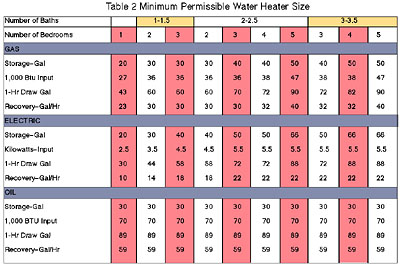
A 3-bedroom house usually needs a water heater that can handle about 40 to 50 gallons of hot water per hour. This amount covers showers, dishwashing, and laundry happening at once. Gallons per minute (GPM) is key when choosing a heater. For example, a shower uses around 2.5 GPM, so multiple showers need more capacity.
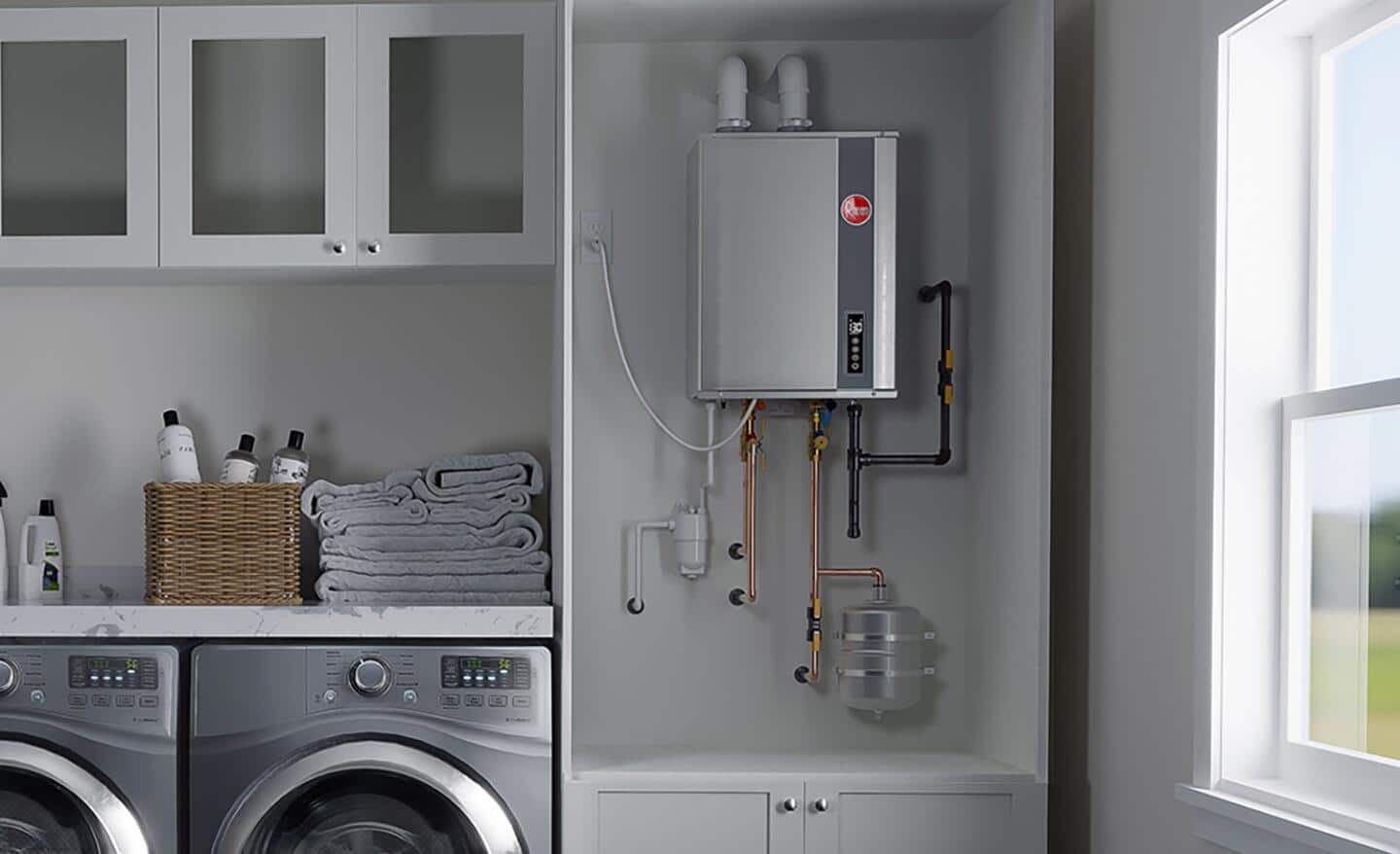
Tank water heaters store hot water and offer a steady supply. Tankless heaters heat water only when needed, saving space and energy. But tankless units might struggle if many taps run at the same time.
| Time of Day | Water Use | Capacity Needed |
|---|---|---|
| Morning | Showers, breakfast dishes | High (40-50 gallons) |
| Afternoon | Low use, maybe laundry | Low (10-20 gallons) |
| Evening | Dinner prep, showers | Medium to high (30-45 gallons) |
Credit: www.coppertreepartners.com
Factors Affecting Size
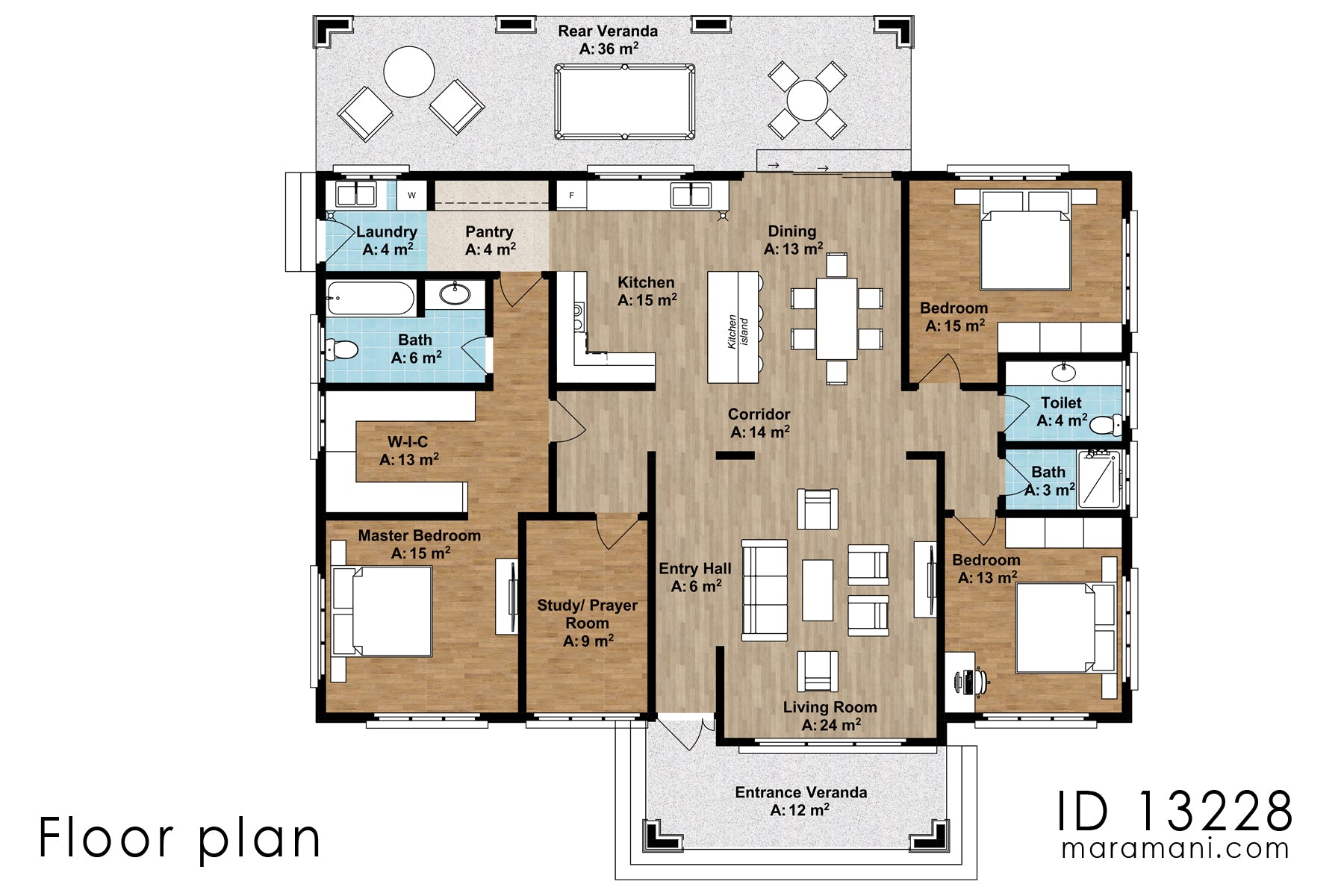
Number of bathrooms affects the size of the water heater needed. More bathrooms mean more hot water use at the same time. A 3-bedroom house usually has 2 or 3 bathrooms. This means a water heater with a larger tank or higher recovery rate is needed to supply enough hot water.
Family size and usage also matter. More people use more hot water daily. A family of four will need a bigger heater than a couple. Daily habits like shower length and washing clothes affect usage too. Choose a size that fits your family’s needs.
Climate considerations play a role as well. In colder places, water entering the heater is colder. This means the heater works harder and may need to be larger. In warm climates, a smaller size might be enough since incoming water is warmer.
Energy Efficiency Tips
Insulation helps keep hot water warm for longer. Wrapping your water heater with an insulation blanket can save energy. Pipes should be insulated too, to reduce heat loss. This means the heater runs less often and uses less power.
Setting the temperature to 120 degrees Fahrenheit is ideal. It provides enough hot water without wasting energy. Higher settings use more power and can cause burns. A lower setting helps save money on your energy bill.
| Energy Star Ratings | Benefit |
|---|---|
| Certified Water Heaters | Use less energy than standard models |
| High Energy Factor (EF) | More efficient heating performance |
| Advanced Insulation | Reduces standby heat loss |
Credit: www.homedepot.com
Installation And Maintenance
Professional installation ensures your water heater works safely and well. Experts check the right size and place for the unit. They follow local rules to avoid risks. A correct setup saves energy and money over time.
Regular maintenance keeps the heater in good shape. Flush the tank yearly to remove sediment. Check the pressure valve for safety. Clean filters to keep water flow steady. These small steps stop big problems later.
Signs you need replacement include rusty water or strange noises. Water that takes too long to heat or runs out fast is a warning. Leaks under the tank mean it’s time to buy a new one. Act fast to avoid damage to your home.
Cost Implications
Initial investment depends on water heater size and type. Larger units cost more upfront. Choosing the right size avoids paying for too big or too small units. A 3-bedroom house usually needs a medium-sized heater, balancing cost and need.
Operating costs include energy or gas used daily. Bigger heaters use more power but heat water faster. Smaller units save energy but might run out of hot water quickly. Efficient models lower monthly bills and last longer.
Long-term savings come from picking an energy-efficient heater. It costs more first but saves money over time. Regular maintenance helps avoid costly repairs. A well-chosen water heater keeps your home comfortable and saves cash.
Frequently Asked Questions
What Size Water Heater Is Best For A 3-bedroom House?
A 40 to 50-gallon water heater is ideal for a 3-bedroom home. This size meets average family needs without wasting energy. It provides enough hot water for showers, laundry, and dishwashing efficiently.
How To Calculate Water Heater Size For 3 Bedrooms?
Calculate by estimating peak hour water use. For 3 bedrooms, 40-50 gallons is typical. Consider family size and hot water habits. This helps avoid undersized or oversized heaters, saving energy and ensuring comfort.
Can A 40-gallon Water Heater Serve A 3-bedroom House?
Yes, a 40-gallon heater suits most 3-bedroom homes with 2-4 people. It supports daily activities like bathing and cooking efficiently. Larger families might need 50 gallons for adequate hot water supply.
Does Water Heater Size Affect Energy Bills In A 3-bedroom Home?
Yes, choosing the right size avoids excess energy use. Oversized heaters heat more water than needed, wasting electricity. Proper sizing ensures efficient energy consumption and lower utility bills.
Conclusion
Choosing the right water heater size saves energy and money. A 3-bedroom house usually needs a 40 to 50-gallon tank. This size fits daily needs without wasting water or power. Think about your family’s habits and peak usage times. Small changes in size affect comfort and costs.
Proper sizing means hot water is always ready. Take time to measure your needs carefully. A well-chosen water heater keeps your home warm and efficient. Simple steps lead to better comfort every day.