
Are you wondering if your water heater really needs a pressure tank? You might think it’s just an extra part, but it could make a big difference in how your water system works.
Without the right pressure tank, you could face sudden bursts of water pressure, noisy pipes, or even damage to your heater. You’ll discover why a pressure tank might be essential for your water heater, how it protects your system, and what signs to watch for.
Keep reading to find out how to keep your water heater running smoothly and avoid costly repairs.
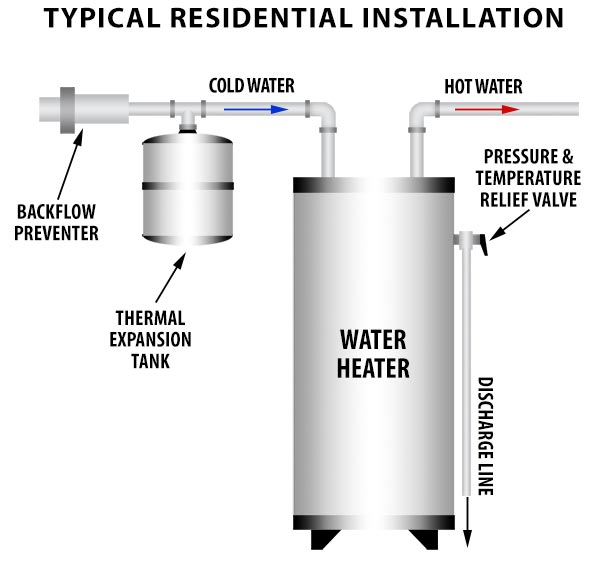
Credit: www.genexuk.co.uk
Why Pressure Tanks Matter
Pressure tanks help keep water pressure steady in heating systems. They store water and air to balance pressure changes. This prevents pipes from breaking or leaking.
Without a pressure tank, water heaters face common problems. Pipes may burst due to pressure spikes. Water flow can become uneven and noisy. The heater might wear out faster because of pressure stress.
Pressure tanks also stop water hammer, a loud banging sound in pipes. They protect plumbing and improve the heater’s life. Installing a pressure tank is a simple way to avoid costly repairs.
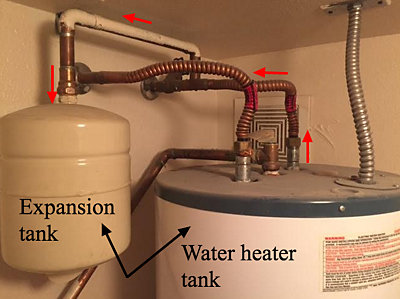
Credit: plumblineservices.com
How Pressure Tanks Work
A pressure tank has some basic parts. These include a metal tank, a rubber bladder, and an air chamber. The water fills the space inside the bladder. The air chamber has compressed air that pushes the water out.
The pressure regulation process keeps water pressure steady. When water flows out, the bladder shrinks. This makes the air compress more. The compressed air then pushes the water back into the pipes.
This process stops the water pump from turning on and off too much. It also helps keep the water pressure stable in your home.
Signs You Need A Pressure Tank
Fluctuating water pressure can cause sudden changes in flow. This often means your system needs a pressure tank. Without it, water pressure may drop or spike quickly. This can be annoying and damage pipes.
Noisy water heater sounds like banging or knocking. These noises come from water hammer or pressure changes. A pressure tank helps absorb shocks and keeps noise low.
Frequent valve leaks may point to pressure problems. Valves can wear out fast if pressure is not stable. A pressure tank helps maintain steady pressure and reduce leaks.
Types Of Pressure Tanks
Bladder tanks have a flexible rubber bladder inside. This bladder holds water and keeps air separate. It helps maintain steady water pressure and stops water from touching the air. This prevents corrosion and keeps the system working well for a long time.
Diaphragm tanks use a rubber diaphragm instead of a bladder. The diaphragm also separates water and air. It moves as water fills the tank, keeping pressure stable. These tanks are good for homes with varying water needs.
Air-over-water tanks do not have a bladder or diaphragm. Air and water mix inside the tank. The air pressure pushes water out when needed. These tanks need regular air checks to work properly and avoid pressure drops.
Installation Considerations
Choosing the right tank size depends on your water heater’s capacity and household needs. A tank too small will cause frequent cycling and wear. A tank too large wastes space and money. Check the water pressure and flow rate to match the tank properly.
Placement matters for easy access and safety. Install the tank close to the water heater to reduce pressure loss. Avoid placing it where freezing can happen. Make sure there is enough room for maintenance and inspection.
Regular maintenance keeps the system working well. Check the tank for leaks or rust every few months. Drain the tank yearly to remove sediment build-up. Test the pressure relief valve to ensure it works correctly. Proper care extends the tank’s life and prevents damage.
Benefits Of Using A Pressure Tank
A pressure tank helps extend the life of your water heater by reducing stress on its parts. It stores water and keeps pressure steady. This means the heater does not turn on and off too often, which can cause damage over time.
It also improves water pressure stability. Water flows smoothly and stays consistent when you use a pressure tank. No sudden bursts or drops in pressure. This makes showers and faucets work better and feel more comfortable.
Using a pressure tank reduces wear on plumbing. Pipes and valves face less force from water pressure changes. This helps prevent leaks and breaks. Your plumbing system lasts longer and needs fewer repairs.
Potential Drawbacks
Adding a pressure tank raises the initial cost of your water heater setup. These tanks can be expensive, depending on size and brand. Space is another issue. Pressure tanks need extra room near the heater, which may be hard in small areas.
Regular maintenance is necessary. The tank requires checking for leaks and pressure levels. Failure to maintain can cause damage or reduce efficiency. This means extra time and effort for homeowners.
:max_bytes(150000):strip_icc()/water-heater-expansion-tank-information-2719063-hero-fd3398dd23da421a9438151ad2738e3b.jpg)
Credit: www.thespruce.com
Alternatives To Pressure Tanks
Pressure-reducing valves help control water pressure in pipes. They protect your plumbing from damage by lowering high pressure. These valves are easy to install and need little upkeep.
Expansion tanks store extra water when it heats and expands. They stop pipes from bursting due to pressure changes. This tank works well with water heaters to keep water flow steady.
Water softening systems remove minerals like calcium and magnesium. These minerals cause buildup and damage inside pipes and heaters. Soft water helps your system last longer and work better.
Conclusion
A pressure tank can protect your water heater from damage. It helps keep water pressure steady and avoids stress on pipes. Not every home needs one, but many do for safety and durability. Check your water system and local rules to decide.
Adding a pressure tank can save money on repairs later. Think about your water pressure and heater type before choosing. A small step that makes a big difference in your home’s water system.