
Are you tired of chilly showers and waiting forever for hot water to arrive? Installing a water heater shower can change your daily routine for the better.
Imagine stepping into a warm, comforting shower anytime you want—without hassle or long waits. You’ll discover simple steps and smart tips to get your water heater shower installed quickly and safely. Keep reading to learn how you can enjoy cozy showers every day, save energy, and even cut down on your water bills.
Your perfect shower experience is closer than you think!
Choosing The Right Water Heater
Choosing the right water heater is important for a good shower experience. The right unit gives you hot water quickly and saves energy. It also fits your home and needs well. Understanding different types, sizes, and energy options helps you pick the best one.
Types Of Water Heaters
There are several types of water heaters. Tank water heaters store hot water in a large tank. Tankless heaters heat water only when needed. Heat pump water heaters use electricity to move heat. Solar water heaters use the sun’s energy. Each type works differently and suits different homes.
Capacity Considerations
Capacity means how much hot water the heater can hold or produce. A small family may need a smaller unit. Larger families need bigger capacity to avoid running out of hot water. Consider how many showers happen at the same time. This helps decide the right size for your needs.
Energy Efficiency Options
Energy efficiency saves money on utility bills. Look for water heaters with a high Energy Factor (EF) rating. Tankless heaters often use less energy since they heat water on demand. Some models have insulation to reduce heat loss. Choosing an efficient heater helps the environment and your budget.

Credit: www.comuntia.org
Preparing For Installation
Preparing for water heater shower installation is a key step. Proper preparation makes the process smooth and safe. It helps avoid mistakes and saves time. You need to gather tools, check connections, and follow safety rules. This section guides you through these important steps.
Tools And Materials Needed
Gather all tools before starting the installation. Common tools include a wrench, screwdriver, pliers, and a drill. You also need pipe tape, a measuring tape, and a voltage tester. For materials, prepare the water heater unit, mounting brackets, and piping. Having everything ready avoids interruptions during work.
Safety Precautions
Safety is crucial during installation. Turn off the main water supply to prevent leaks. Switch off the electrical power at the breaker box to avoid shocks. Wear gloves and safety glasses for protection. Work in a dry area to reduce slipping risks. Follow all safety instructions from the water heater manual.
Checking Water Supply And Electrical Connections
Check your water supply for proper pressure and flow. Low pressure can affect heater performance. Inspect pipes for leaks or damage. Look at electrical connections to confirm correct voltage. Use a voltage tester to ensure power is off before work. Proper checks prevent future problems with your new shower heater.
Mounting The Water Heater
Mounting the water heater is a key step in the installation process. It ensures the heater stays secure and works safely. Proper mounting keeps the heater stable and prevents damage over time. Follow each step carefully for a strong and lasting setup.
Selecting The Installation Location
Choose a spot near the shower for easy water flow. Pick a dry area away from direct water splashes. The location should allow access for maintenance and repairs. Avoid placing the heater near heat sources or flammable materials. Make sure there is enough space around the unit for ventilation.
Fixing The Heater To The Wall
Use a strong drill and appropriate screws for your wall type. Mark the mounting holes on the wall before drilling. Align the heater brackets with the marks carefully. Secure the heater firmly to prevent any movement. Double-check the alignment to keep the unit level and straight.
Ensuring Proper Support And Stability
Confirm the wall can support the heater’s weight when full of water. Use wall anchors or studs for extra strength if needed. Avoid flimsy surfaces like drywall alone. Tighten all screws and brackets firmly. Test the heater by gently shaking it to check stability.
Credit: valelifesciences.com
Connecting Water Pipes
Connecting water pipes is a key step in installing a water heater shower. It ensures water flows correctly to the heater and out to your shower. Careful connection prevents leaks and damage. This part needs patience and attention to detail.
Follow clear steps to connect pipes safely and securely. Good connections make the shower work well and last longer.
Shutting Off Water Supply
Start by turning off the main water supply. This stops water from flowing during installation. Use the main valve near your home’s water meter. Double-check no water comes out of your faucets.
Shutting off water avoids spills and water damage. It also keeps you safe while working on pipes.
Attaching Inlet And Outlet Pipes
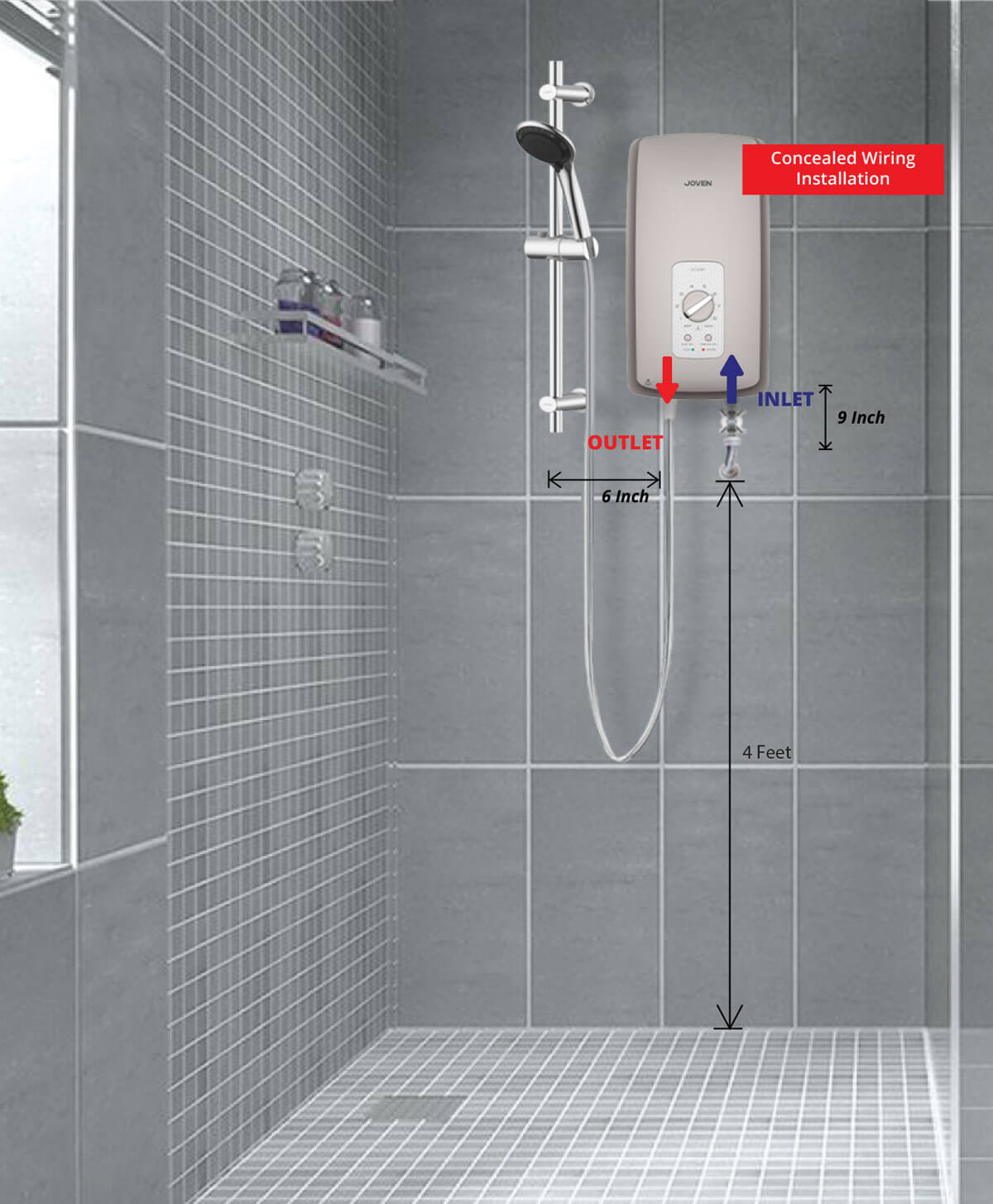
Attach the inlet pipe to the water heater’s cold water entry. Connect the outlet pipe to the hot water exit. Tighten the connections with a wrench, but do not over-tighten.
Ensure pipes fit snugly to avoid leaks. Use proper pipe types that match your heater and home plumbing.
Using Seals And Tapes To Prevent Leaks
Apply plumber’s tape around pipe threads before connecting. The tape fills gaps and stops water from leaking. Wrap tape clockwise for a tight seal.
Use pipe sealant or thread sealant paste for extra protection. Check all connections after installation for any signs of leaks.
Electrical Wiring Setup
Setting up the electrical wiring for a water heater shower is a key step. It ensures safety and proper functioning. This part requires care and attention. Follow simple steps to complete it correctly.
Turning Off Power Supply
Always start by turning off the power supply. This stops any risk of electric shock. Locate the main circuit breaker and switch it off. Double-check that no electricity flows to the installation area.
Connecting Wires Correctly
Match wires by color and type for a secure connection. Use wire connectors or terminals to join wires safely. Tighten all connections to avoid loose contacts. Check the manufacturer’s guide for specific wiring instructions.
Testing Electrical Connections
After wiring, test the connections carefully. Use a voltage tester to confirm the power is off before touching wires. Turn the power back on and check the heater’s response. Ensure there are no sparks or unusual sounds during testing.
Installing The Shower Fixture
Installing the shower fixture is a key step in setting up your water heater shower. This process ensures you get a comfortable and efficient shower experience. Proper installation helps save water and energy. It also prevents leaks and damage. Follow these steps carefully to install your shower fixture correctly.
Choosing The Right Shower Head
Select a shower head that fits your shower system. Look for one with good water pressure and spray patterns. Consider the size and style that match your bathroom. A simple design often works best. Check if the shower head is easy to clean and maintain. This choice affects how you enjoy your shower.
Connecting The Shower Hose
Attach the shower hose firmly to the water outlet. Use plumber’s tape on the threads to avoid leaks. Tighten the connections with a wrench, but do not over-tighten. Ensure the hose is flexible and long enough for comfortable use. A properly connected hose prevents water spills and damage.
Adjusting For Optimal Water Flow
Turn on the water heater and test the shower flow. Adjust the shower head angle to direct water where you want. Check for steady water pressure and temperature. If needed, tweak the flow control on the shower head. Proper adjustment improves comfort and saves water.
Final Checks And Testing
Final checks and testing are important steps in water heater shower installation. These ensure the system works safely and properly. A thorough inspection helps avoid future problems. Follow the steps carefully to confirm everything is set right.
Turning On Water And Power
Start by turning on the water supply. Open the main valve slowly. Check the shower head for steady water flow. Next, switch on the power supply to the heater. Watch for any unusual noises or smells. These could indicate electrical issues or faults.
Checking For Leaks And Faults
Look closely around all joints and connections. Use a dry cloth to spot any water drops. Even small leaks can cause damage over time. Inspect the heater unit for any cracks or loose parts. Listen for strange sounds during operation. Fix any issues before using the shower fully.
Adjusting Temperature Settings
Set the water temperature to a comfortable level. Avoid very hot settings to prevent burns. Use the thermostat control on the heater. Test the water with your hand to ensure safety. Fine-tune the temperature for the best shower experience.

Credit: salisburyfertilitycentre.nhs.uk
Maintenance Tips
Maintaining your water heater shower is key to keep it working well for years. Small care steps can prevent big problems later. Regular checks help spot issues early. These tips will guide you through simple maintenance tasks.
Regular Cleaning
Clean the showerhead to stop mineral buildup. Remove it and soak in vinegar for about an hour. Wipe the surface with a soft cloth. Clean filters and screens if your model has them. This keeps water flowing smoothly and avoids clogs.
Inspecting For Wear And Tear
Look over all connections and pipes for leaks or cracks. Check the power cord for damage or loose plugs. Tighten any loose fittings to prevent water leaks. Replace worn parts quickly to avoid bigger damage. Regular inspection saves money and keeps the shower safe.
Troubleshooting Common Issues
If the water is not hot enough, check the thermostat settings first. Clear any blocked pipes or filters causing low water flow. Reset the unit if it stops working suddenly. Listen for strange noises, which may signal a problem inside. Simple fixes often solve common issues quickly.
Conclusion
Installing a water heater shower brings comfort and convenience daily. It heats water quickly, saving time and energy. Proper installation ensures safety and long-lasting use. Following simple steps helps avoid common mistakes. Choose the right heater size for your needs.
Regular maintenance keeps the system working well. A warm shower feels good, especially on cold days. Taking care during setup prevents future problems. Enjoy the benefits of hot water anytime. Simple, safe, and efficient—water heater showers make life easier.