
Is your water heater making a strange shaking noise? That rattling sound might seem small, but it could signal a bigger problem waiting to happen.
Ignoring it won’t make it go away—in fact, it might get worse and cost you more in repairs. You deserve to understand what’s causing this noise and how to fix it before it disrupts your comfort or drains your wallet.
Keep reading to uncover the simple steps you can take to stop your water heater from shaking and keep your home running smoothly.
Common Causes Of Shaking Noise
Shaking noises from a water heater can be worrying. These sounds often mean something inside the heater is not right. Understanding the common causes helps you identify the problem fast. It also guides you on what to do next.
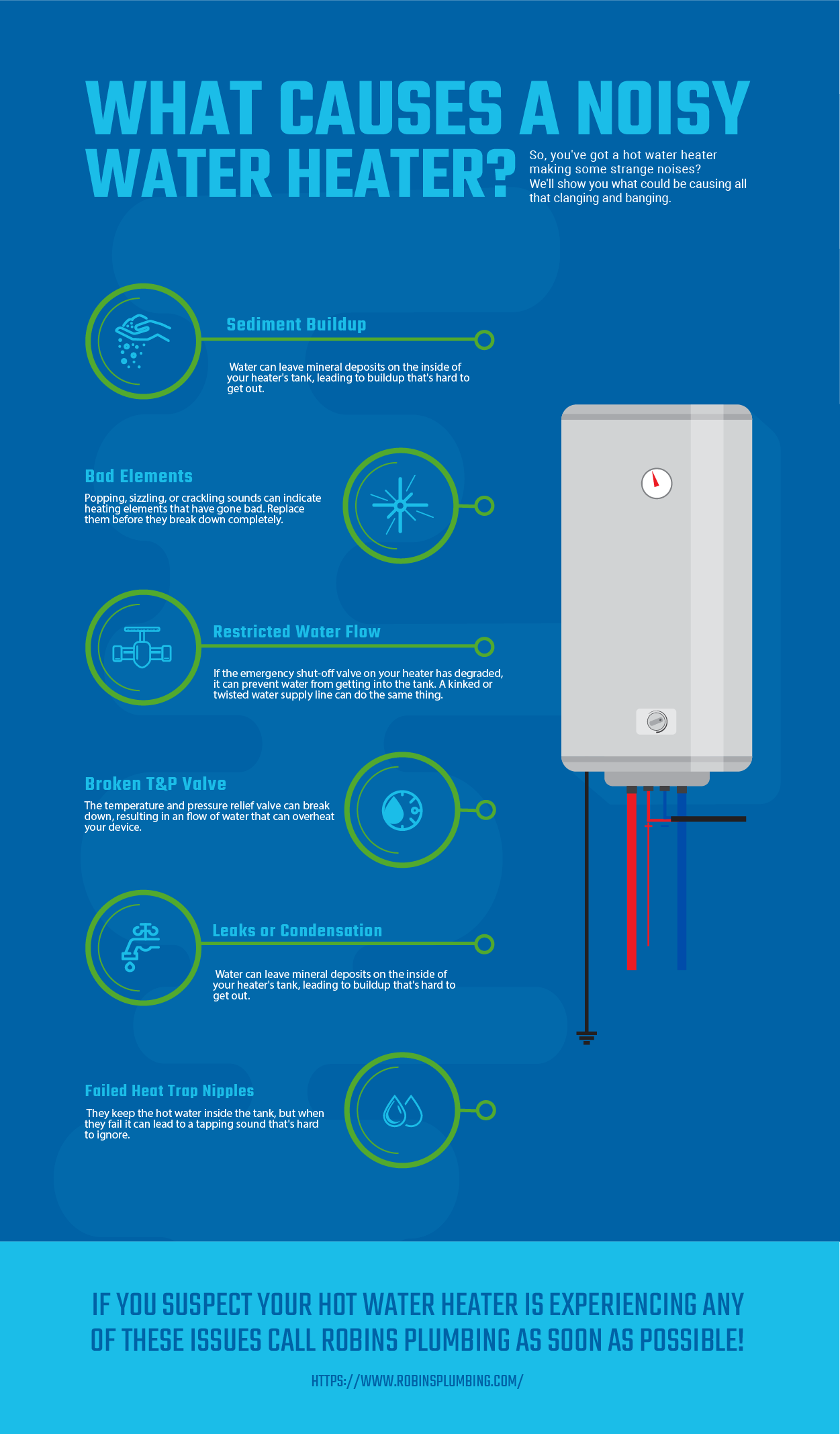
Sediment Buildup
Over time, minerals settle at the bottom of the tank. This sediment hardens and traps heat. The trapped heat causes popping or shaking sounds. Flushing the tank regularly can reduce this buildup.
Loose Heating Elements
Heating elements can come loose with use. When loose, they vibrate and make noise. Tightening or replacing them stops the shaking. Regular checks keep them secure.
Water Pressure Issues
High water pressure can cause the tank to shake. The pressure makes pipes and parts move. Pressure regulators help keep the pressure stable. This reduces noise and protects the heater.
Faulty Thermostat
A bad thermostat can cause the heater to cycle too much. Rapid cycling leads to noises and shaking. Replacing the thermostat fixes this problem. It also saves energy.
Expansion And Contraction
Metal parts expand when heated and contract when cooled. This movement can cause creaking or shaking sounds. These noises are normal but loud sounds need checking. Proper installation reduces this issue.

Credit: www.reddit.com
Identifying The Noise Source
Strange noises from your water heater can cause worry and confusion. Identifying the source of the shaking noise helps fix the problem quickly. It also prevents damage and keeps your home safe. Follow simple steps to listen closely and inspect parts of your water heater.
Listening Techniques
Stand near the water heater in a quiet room. Turn off other appliances to reduce background noise. Focus on the noise pattern. Is it constant or only when water heats? Try tapping gently on the tank to see if the noise changes. This helps find the exact spot of the shaking sound.
Checking The Tank
Look at the water heater tank carefully. Check for any rust or leaks on its surface. Touch the tank to feel if it vibrates or shakes. Sediment buildup inside the tank can cause noise. Sediment makes the tank work harder and shake more. Flushing the tank may solve this issue.
Inspecting Pipes And Valves
Examine pipes connected to the water heater. Check for loose or worn parts that might rattle. Listen to valves when water flows through. Sometimes, valves create noise if they are old or faulty. Tighten loose pipes and replace bad valves to stop shaking sounds.
Quick Fixes For Shaking Noise
Shaking noises from a water heater can be annoying and signal small problems. Quick fixes can often solve this issue without needing a professional. These simple steps improve your heater’s performance and stop the noise fast.
Flushing The Tank
Mineral buildup inside the tank causes rumbling and shaking. Flushing removes these deposits and clears the system. Turn off the heater and let the water cool. Attach a hose to the drain valve and empty the tank. Run fresh water to rinse out leftover sediment. This keeps your heater running smooth and quiet.
Tightening Loose Parts
Vibrations can come from loose pipes or panels. Check all visible parts for any looseness. Use a wrench or screwdriver to tighten bolts and screws. Secure pipes with clamps if they move. Tight parts reduce shaking and prevent damage.
Adjusting Water Pressure
High water pressure often causes noise and shaking. Test your home’s water pressure with a gauge. Ideal pressure is between 40 and 60 psi. Use a pressure regulator valve to lower pressure if it is too high. Balanced pressure keeps the heater calm and quiet.

Credit: www.reddit.com
When To Call A Professional
Knowing when to call a professional for a shaking water heater saves time and money. Some noises mean simple fixes, but others show serious problems. It helps to spot warning signs early.
Persistent Noise Issues
Shaking that never stops needs expert help. It may mean sediment buildup inside the tank. This can cause damage if left alone. A professional can clean or repair it safely.
Electrical Component Problems
Buzzing or clicking sounds might come from electrical parts. These parts control heating and safety features. Faulty wiring or switches can cause hazards. A trained technician can fix electrical issues correctly.
Safety Concerns
Any noise linked with leaks or burning smells is dangerous. It might mean a gas leak or overheating. Do not ignore these signs. Call a professional immediately to avoid accidents or fires.
Preventing Shaking Noises
Shaking noises from a water heater can be annoying and signal trouble. Preventing these noises helps keep your water heater safe and working well. Simple steps can stop the shaking and extend your heater’s life.
Regular Maintenance
Check your water heater often for signs of wear or damage. Drain the tank yearly to remove sediment that causes noise. Inspect the heating elements and replace if needed. Tighten loose parts to stop rattling sounds. Clean the area around the heater to avoid dirt buildup.
Water Softening Solutions
Hard water causes mineral buildup inside the heater. This buildup leads to shaking and reduces efficiency. Use a water softener to lower minerals in your water. Soft water helps prevent scale and keeps the heater running smoothly. Test your water hardness to choose the right solution.
Monitoring Pressure Levels
High water pressure can make your heater shake and leak. Check the pressure gauge regularly to keep it in a safe range. Install a pressure-reducing valve if pressure is too high. Proper pressure protects pipes and heater parts. Stay alert to pressure changes for early problem detection.
Credit: healingwithhorsesranch.org
Conclusion
A shaking water heater needs quick attention to avoid damage. Sediment build-up often causes noise and reduces heater life. Flushing the tank can help fix the problem. Regular maintenance keeps your heater running smooth and quiet. Don’t ignore strange sounds; they warn of bigger issues.
Call a professional if shaking continues despite simple fixes. A calm heater means safe, warm water for your home. Keep your water heater in good shape for comfort and safety.