
Are you planning to install a new water heater but unsure how long it will take? Knowing the average time to install a water heater can help you plan your day better and avoid unexpected delays.
Whether you’re upgrading an old unit or installing one for the first time, understanding the process can save you time, stress, and even money. Keep reading to discover what factors affect the installation time and what you can expect from start to finish.
This way, you’ll be fully prepared for a smooth and efficient installation.

Credit: residential.sunsetair.com
Types Of Water Heaters
Water heaters come in different types. Each type works in a unique way. Choosing the right one affects installation time and energy use.
Understanding these types helps you know what to expect during installation. This guide explains four common water heater types.
Tank Water Heaters
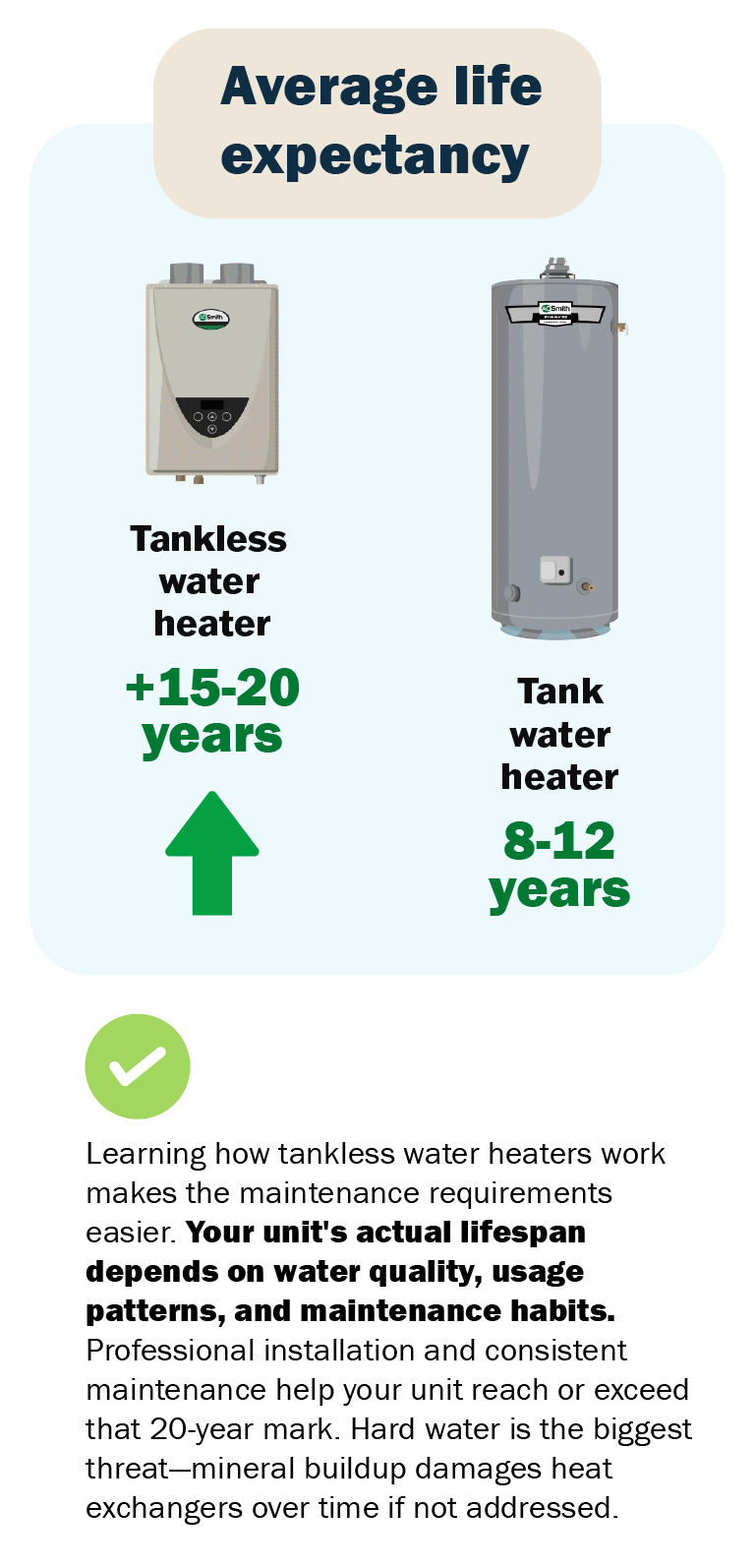
Tank water heaters store hot water in a large tank. The tank size varies from 20 to 80 gallons. Installation usually takes 2 to 3 hours. These are the most common and affordable type.
Tankless Water Heaters
Tankless heaters warm water only when needed. They do not use a storage tank. Installation is more complex and takes 3 to 4 hours. These save space and energy.
Heat Pump Water Heaters
Heat pump heaters use electricity to move heat from air to water. They use less energy than traditional tanks. Installation often takes 3 to 5 hours. They need space with good airflow.
Solar Water Heaters
Solar heaters use energy from the sun. They include solar panels and a storage tank. Installation can take 4 to 6 hours or more. These are eco-friendly but need sunny locations.
Credit: www.hotwater.com
Factors Influencing Installation Time
The time needed to install a water heater varies. Many factors influence this time. Understanding these helps set the right expectations.
Type And Size Of Heater
Different water heaters take different times to install. Tankless heaters usually take longer than traditional tank models. Larger heaters may need extra work and more time. The complexity of the system affects the total installation duration.
Location And Accessibility
Where the heater is placed matters. Easy access speeds up the process. Tight or hard-to-reach spots slow down the work. Moving heavy equipment through narrow spaces adds time.
Existing Plumbing Setup
The current plumbing system impacts installation time. If pipes need changes or repairs, the job takes longer. Simple connections are quicker. Complex plumbing requires careful adjustments and more time.
Permits And Inspections
Some areas require permits for water heater installation. Getting permits can delay the start. After installation, inspections may be needed. Waiting for inspections can add hours or days to the process.
Typical Installation Times
Understanding the typical time required to install a water heater helps plan better. Installation times vary by heater type and complexity. This section breaks down average times for different installations.
Standard Tank Heater Installation
Installing a standard tank water heater usually takes about two to three hours. This includes removing the old unit, setting up the new one, and connecting plumbing and electrical lines. Most homes with existing tanks have simpler setups, which saves time.
Tankless Heater Installation
Tankless water heater installation generally requires more time, around three to five hours. These units need special plumbing and electrical work. Sometimes, upgrades to gas lines or electrical panels are necessary, adding to the time.
Upgrading To Energy-efficient Models
Upgrading to energy-efficient water heaters may take two to four hours. These models can involve extra steps like installing new venting systems or insulation. The time depends on the model and current home setup.
Diy Vs Professional Installation
Choosing between DIY and professional water heater installation affects time, cost, and safety. Many homeowners think about installing the heater themselves to save money. Others prefer experts to ensure the job is done right. Understanding the pros and cons helps make the best choice.
Pros And Cons Of Diy
DIY installation can save money on labor. It allows you to work at your own pace. You learn useful skills and gain confidence.
DIY also carries risks. Mistakes may cause leaks or electrical problems. You might spend more time fixing errors. Lack of proper tools can make the job harder.
When To Hire A Pro
Hire a professional if you lack plumbing or electrical skills. Complex systems require expert knowledge. Professionals finish the job faster and safer. They follow local codes and regulations. A pro can spot hidden issues early.
Cost Implications
DIY lowers upfront costs but may lead to costly mistakes. Professional installation costs more initially. It includes labor and permits. The investment often saves money by preventing damage. Professionals offer warranties that protect your purchase.
Tips To Speed Up Installation
Speeding up water heater installation saves time and reduces hassle. Simple steps can help get the job done faster. Being ready before the installer arrives makes a big difference. Planning ahead is the key.
Preparing The Site
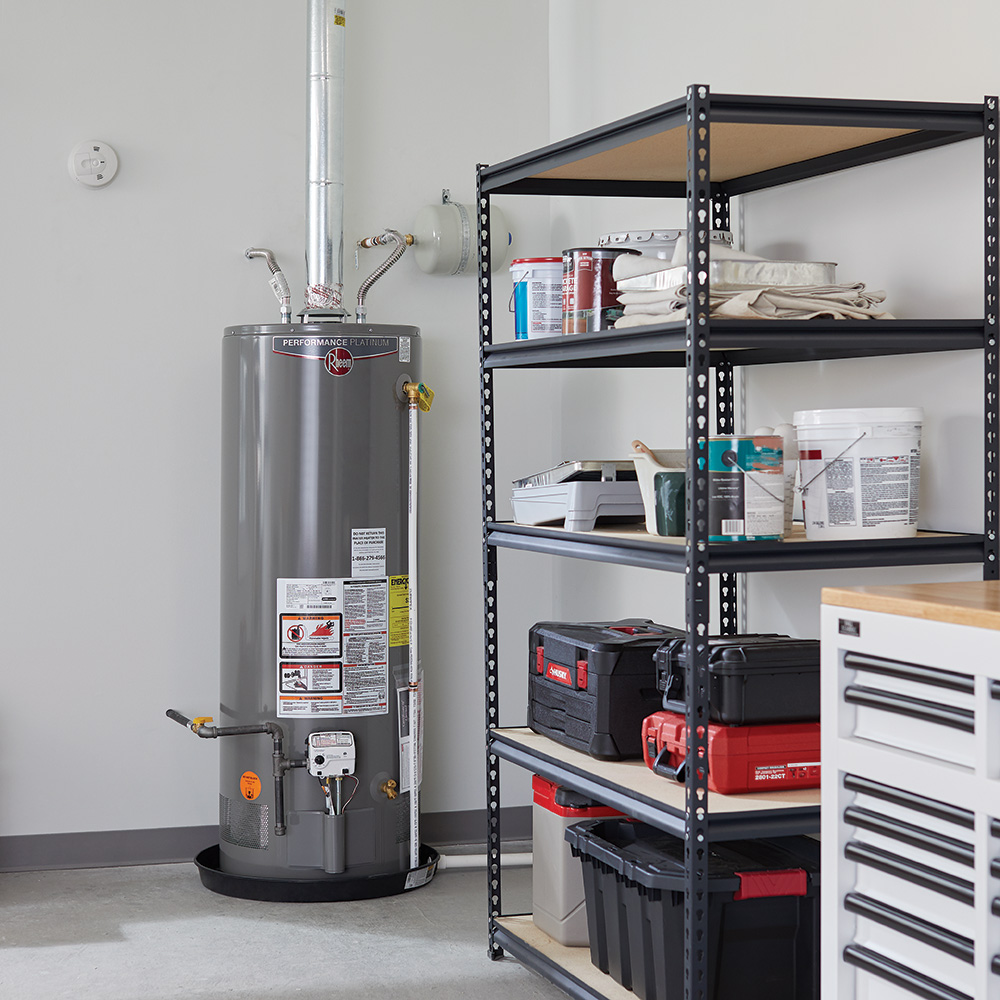
Clear the area around the old heater. Remove boxes, tools, and other items. Make sure the space is dry and clean. This helps the installer work quickly and safely. Check for any leaks or damage nearby. Fix small problems before installation day.
Choosing The Right Equipment
Select the right water heater size and type. A proper fit means less adjustment during installation. Confirm the model matches your home’s power and water supply. Have all necessary parts ready, like pipes and valves. This prevents delays caused by missing equipment.
Scheduling And Coordination
Set an appointment that fits your schedule. Be available to answer questions or give access. Inform all household members about the installation time. Coordinate with your installer about any special needs. Clear communication avoids waiting and keeps work on track.
Credit: www.homedepot.com
Common Installation Challenges
Installing a water heater can be simple or tricky. Several common challenges affect the time it takes. Knowing these issues helps prepare for a smoother installation. Some problems slow down the process and need special attention.
Dealing With Old Plumbing
Old pipes often cause delays. Rust or corrosion may block new connections. Sometimes, pipes need replacement to fit the new heater. This work takes extra time and care. Workers must check for leaks and weak spots. Old plumbing can add hours to the job.
Space Constraints
Small spaces make installation harder. Tight areas limit movement and tool use. Plumbers must work carefully to avoid damage. Sometimes, parts must be adjusted to fit. Space issues can increase installation time by hours. Planning is key to handle cramped spots well.
Electrical And Gas Connections
Connecting power or gas safely is crucial. Old wiring or pipes may need upgrades. Inspecting these systems takes time but ensures safety. Incorrect connections cause hazards and require fixes. Skilled workers follow strict rules for these tasks. This step often adds extra hours to the installation.
Frequently Asked Questions
How Long Does Water Heater Installation Usually Take?
Water heater installation typically takes 2 to 4 hours. The exact time depends on the type and complexity of the setup. Simple replacements are quicker, while new installations or upgrades may require extra time.
What Factors Affect Water Heater Installation Time?
Installation time varies due to water heater type, plumbing complexity, and site conditions. Tankless models often take longer. Additionally, local codes and permits can influence the overall timeline.
Can I Install A Water Heater Myself?
DIY installation is possible for experienced individuals, but it’s risky. Professional plumbers ensure safety, code compliance, and proper setup. Incorrect installation can cause leaks or damage.
Is Same-day Water Heater Installation Available?
Some companies offer same-day installation for emergencies. Availability depends on technician schedules and parts stock. Scheduling in advance ensures timely and efficient service.
Conclusion
Installing a water heater usually takes a few hours to complete. The exact time depends on the type of heater and home setup. Most professionals finish the job within 2 to 4 hours. Proper installation ensures safety and better performance.
Planning ahead helps avoid delays and extra costs. Knowing the average time helps you prepare for the process. Trust experts to do the work quickly and correctly. This way, you get hot water without long waits. Simple steps can make the installation smooth and easy.