
Is your water heater safety valve leaking? This might seem like a small drip, but it can lead to bigger problems if ignored.
You rely on your water heater every day, and a faulty valve could affect its performance or even cause damage to your home. Understanding why the valve leaks and what you can do about it is crucial. Keep reading to learn how to spot the issue early, protect your home, and ensure your water heater works safely and efficiently.

Credit: www.healingwithhorsesranch.org
Causes Of Valve Leaks
Water heater safety valve leaks often cause concern and damage. Understanding the causes helps in fixing the problem quickly. Several factors can make the valve start to leak.
Wear And Tear
Safety valves face constant pressure and heat. Over time, parts inside wear out. Small cracks or broken seals form. These damages allow water to escape the valve. Regular use shortens the valve’s lifespan. Age makes leaks more likely.
High Pressure Issues
Water heaters have pressure limits. Too much pressure pushes the valve open. This pressure can come from the water supply or heating process. High pressure causes the valve to leak or drip. Pressure that stays high can damage the valve permanently.
Sediment Buildup
Minerals in water settle inside the tank. Sediment can block or damage the valve parts. This buildup stops the valve from closing tightly. The result is water slowly leaking out. Cleaning the tank helps reduce this problem.
Credit: www.icecreamfactoryny.com
Signs Of A Leaking Valve
Signs of a leaking water heater safety valve are often easy to spot. These signs warn you of potential damage to your water heater and home. Knowing the symptoms helps you act quickly and avoid costly repairs.
Dripping Water
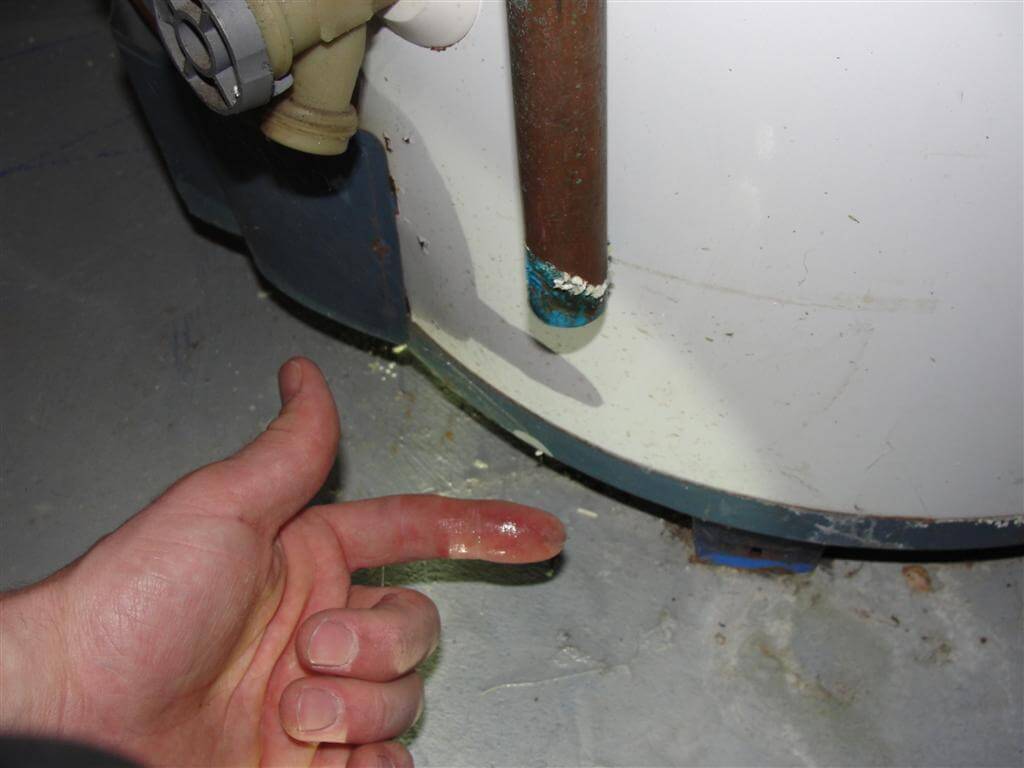
Dripping water near the safety valve is the most common sign. Even small drips can mean the valve is faulty. Check the area around the valve for wet spots or puddles. Continuous dripping wastes water and can damage floors.
Unusual Noises
Strange sounds from the water heater may signal a leaking valve. Hissing, whistling, or gurgling noises often indicate pressure issues. These noises mean the valve might be releasing water or steam to reduce pressure.
Water Temperature Fluctuations
Sudden changes in water temperature can link to a valve problem. A leaking valve can cause hot water to escape, affecting temperature. You may notice water getting colder or hotter without reason.
Immediate Steps To Take
A leaking water heater safety valve can cause water damage and safety risks. Act fast to prevent bigger problems. Follow these immediate steps to handle the leak safely and reduce damage.
Shutting Off Water Supply
Stop the water flow to the heater right away. Find the main water valve near the heater. Turn it clockwise until it stops. This prevents more water from leaking out. It also protects your home from flooding.
Turning Off Power Source
Next, cut the power to the water heater. For electric heaters, switch off the breaker in your electrical panel. For gas heaters, turn the gas valve to the off position. This stops the heater from running while it leaks. It reduces risks of electric shock or gas leaks.
Draining Excess Water
Drain water from the tank to lower pressure. Attach a garden hose to the drain valve. Place the hose end outside or in a drain. Open the valve slowly to release water. This helps stop the valve from leaking more. It also makes repairs safer and easier.

Credit: www.youtube.com
Diy Fixes For Minor Leaks
Water heater safety valve leaks can cause water waste and damage. Some minor leaks can be fixed at home. These fixes save time and money. Always turn off the water and power before any work. Use simple tools and take safety steps.
Tightening The Valve
Loose valves often cause small leaks. Use a wrench to gently tighten the valve nut. Do not overtighten, as it may cause damage. Check if the leak stops after tightening. Repeat if needed, but be careful.
Replacing Washer Or Seal
Old washers or seals wear out and cause leaks. Turn off the water supply and remove the valve handle. Take out the old washer or seal carefully. Replace it with a new one that fits well. Reassemble the valve and test for leaks.
Cleaning Sediment Deposits
Sediment can build up inside the valve, causing leaks. Remove the valve and soak parts in vinegar or a mild cleaner. Use a soft brush to clear away deposits. Rinse parts with clean water before reinstalling. This helps the valve work properly again.
When To Call A Professional
Knowing when to call a professional for a leaking water heater safety valve is important. Some issues need expert help to avoid bigger problems. Early action can save money and keep your home safe.
Persistent Leaks
A dripping valve that does not stop needs a professional check. Persistent leaks can cause water damage and increase your bills. Experts can find the root cause and fix it properly.
Valve Replacement Needs
Valves wear out over time and may need replacement. A professional can remove the old valve and install a new one safely. This ensures your water heater works well and prevents leaks.
Safety Concerns
Leaks can signal pressure or temperature problems inside the heater. These issues can be dangerous and cause damage. A trained technician knows how to handle these risks safely and correctly.
Preventive Maintenance Tips
Water heater safety valve leaks can cause serious problems. Taking care of your water heater helps avoid leaks and saves money. Preventive maintenance keeps the system working safely and efficiently. Small steps prevent big issues later.
Regular Inspections
Check your water heater and valve every few months. Look for signs of rust, corrosion, or water puddles near the valve. Any damage may cause leaks or failure. Early spotting of problems stops bigger damage. Use a flashlight to see hard spots.
Pressure Relief Valve Testing
Test the pressure relief valve once a year. Lift the valve handle gently and let some water flow out. This clears any blockages and ensures the valve works. If no water flows or it leaks continuously, replace the valve. Safety depends on this valve’s proper function.
Flushing The Water Heater
Flush your water heater every six months. Drain a few gallons to remove sediment buildup inside the tank. Sediment can cause overheating and increase pressure. Flushing helps the heater run longer and safer. Use a hose and drain valve to flush easily.
Frequently Asked Questions
Why Is My Water Heater Safety Valve Leaking?
A leaking safety valve usually means excess pressure or temperature inside the tank. It releases water to prevent damage or explosion. Check for thermostat issues or high water pressure. Replace the valve if it’s faulty or damaged.
How Do I Fix A Leaking Water Heater Valve?
Turn off the power and water supply first. Drain some water from the tank. Inspect and clean the valve to remove debris. If leaking persists, replace the valve with a new one. Consult a professional plumber if unsure.
Can A Leaking Safety Valve Cause Water Damage?
Yes, continuous leaking can cause water damage around the heater. It may lead to mold, corrosion, or structural issues. Fix leaks promptly to avoid costly repairs and maintain home safety.
How Often Should I Inspect My Water Heater Valve?
Inspect the safety valve at least once a year. Regular checks help detect leaks and pressure issues early. Timely maintenance ensures your water heater operates safely and efficiently.
Conclusion
A leaking water heater safety valve needs quick attention. Ignoring it can cause water damage or pressure build-up. Regular checks help catch problems early. Fix leaks to keep your home safe and dry. Trust a professional if unsure about repairs.
Safety first—don’t delay fixing the valve. Simple steps protect your heater and your family. Stay alert to signs of wear or damage. Small leaks today can turn into big issues tomorrow. Keep your water heater working well with timely care.