
Is your water heater tank not heating like it used to? That cold shower shock is frustrating, especially when you rely on hot water every day.
You might be wondering what’s wrong and how to fix it quickly. Don’t worry—you’re not alone, and there are simple steps you can take to solve this problem. Keep reading to discover why your water heater tank isn’t warming up and what you can do to get hot water flowing again fast.
Common Causes Of No Hot Water
Many homes face the problem of a water heater tank not producing hot water. This issue can disrupt daily routines and cause discomfort. Understanding the common causes helps in finding the right solution quickly.
Several factors can stop your water heater from warming the water properly. These causes often relate to simple faults or maintenance issues. Identifying the exact problem saves time and money on repairs.
Faulty Thermostat
The thermostat controls the water temperature inside the tank. A faulty thermostat may fail to signal the heater to warm the water. This causes water to remain cold or only slightly warm. Replacing the thermostat often fixes this problem.
Tripped Circuit Breaker
Electric water heaters rely on electricity to heat water. A tripped circuit breaker cuts power to the heater. This stops the heating process completely. Resetting the breaker can restore power and heat.
Broken Heating Element
The heating element heats the water inside the tank. If the element breaks or burns out, the water stays cold. A broken element needs replacement to restore hot water.
Sediment Buildup
Over time, minerals settle at the bottom of the tank. This sediment buildup reduces heating efficiency. It can also damage the heating element. Flushing the tank removes sediment and improves heat.
Pilot Light Issues
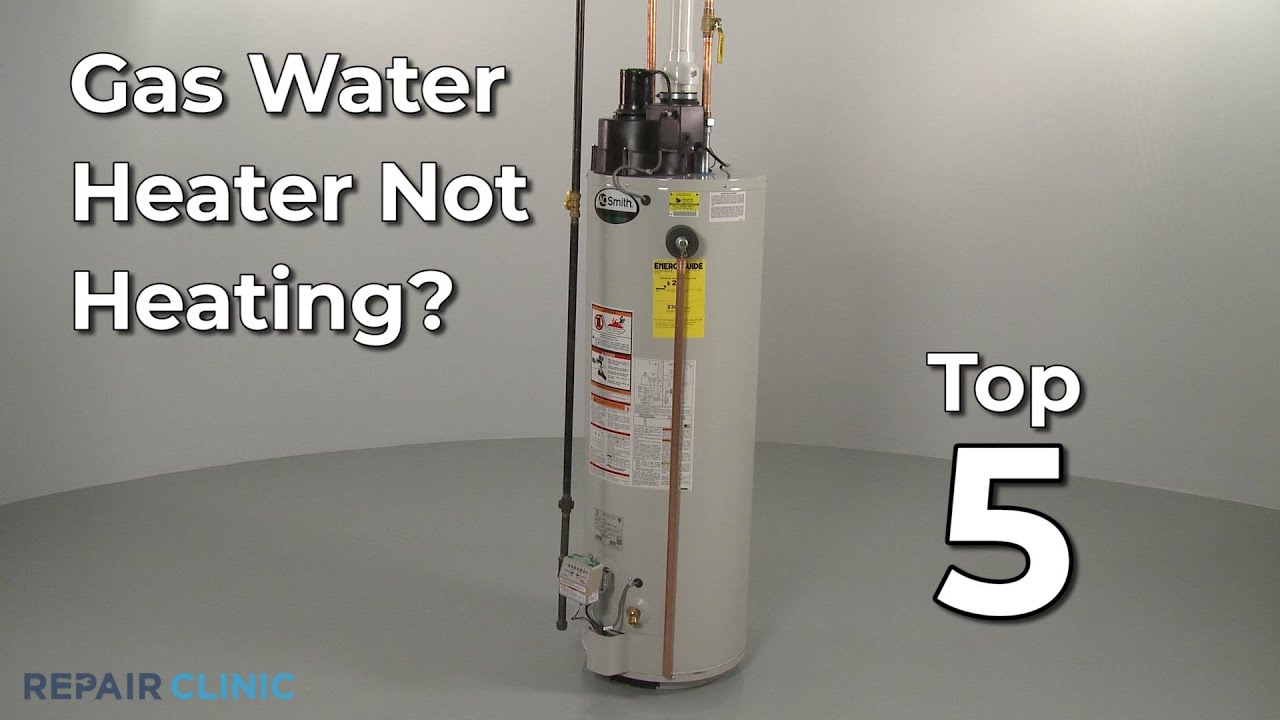
Gas water heaters use a pilot light to ignite the burner. A pilot light that goes out stops the burner from heating water. Relighting the pilot light or fixing the gas supply solves this issue.
Credit: www.dangerfieldsofshakopee.com
Troubleshooting Steps
Water heaters can stop working for simple reasons. Fixing the problem might not need a professional. Follow clear steps to find the issue. Each step checks a part of the heater.
Checking The Power Supply
Start with the power source. Make sure the heater is plugged in. Check the circuit breaker for any tripped switches. A switch turned off stops power flow. Restore power if needed and see if the heater works.
Inspecting The Thermostat Settings
Look at the thermostat controls. The temperature might be set too low. Raise the temperature to at least 120 degrees Fahrenheit. This helps the water heat properly. Wrong settings can stop heating completely.
Resetting The Water Heater
Many heaters have a reset button. Find this button on the unit’s panel. Press and hold it for a few seconds. Resetting can clear errors and restart heating. This step often fixes minor faults.
Testing The Heating Elements
Heating elements warm the water. Use a multimeter to check for electric flow. No flow means a broken element. Replacing faulty elements can restore heat. Be careful and turn off power first.
Flushing The Tank
Mineral buildup can block heating. Drain some water from the tank. Flush out sediments by running fresh water through it. This improves heat transfer. Do this once a year to keep the heater efficient.
Diy Fixes For Water Heaters
Water heaters sometimes stop heating water. This can cause discomfort and disrupt daily routines. Many issues can be fixed without calling a plumber. Simple steps can restore your water heater’s function. These DIY fixes save money and time. Safety is important. Always switch off power or gas before starting work.
Replacing The Thermostat
The thermostat controls water temperature. A faulty thermostat may stop heating. Locate the thermostat panel on your heater. Turn off the power supply first. Remove the panel cover. Use a multimeter to check for faults. If defective, replace the thermostat with a new one. Secure the panel back and restore power. Test the water temperature after the fix.
Relighting The Pilot Light
Gas water heaters have a pilot light. This small flame ignites the burner. If the pilot light goes out, no heat is produced. Find the pilot light access door. Turn the gas control knob to “pilot.” Press and hold the knob. Use a long lighter to ignite the pilot. Hold the knob for 30 seconds. Release and check if the light stays on. Close the access door after relighting.
Resetting The Circuit Breaker
Electric water heaters depend on circuit breakers. A tripped breaker cuts power to the heater. Locate your home’s breaker box. Find the breaker labeled for the water heater. Flip the breaker to the “off” position. Wait a few seconds, then flip it back “on.” Check if the water heats up again. This quick step can fix many power issues.
Cleaning Sediment From The Tank
Mineral buildup can block heating elements. This lowers water temperature. Turn off the heater and water supply. Attach a hose to the drain valve. Drain water into a bucket or outside. Open the valve fully to flush sediment. Close the valve and refill the tank. Turn the power or gas back on. Regular cleaning improves heater efficiency.
:max_bytes(150000):strip_icc()/Water_heater_0616-fd10f9d489834e0d88d6f7706e207f6f.jpg)
Credit: www.zsddmklasterec.cz
When To Call A Professional
Knowing when to call a professional for water heater issues saves time and prevents damage. Some problems need expert skills and tools. Attempting repairs without knowledge can cause more harm or safety risks. Watch for signs that require expert help.
Persistent Heating Problems
Water heater that never heats well needs a pro. If you try adjusting the thermostat or flushing the tank and it still fails, call a technician. Consistent lack of hot water means a deeper problem.
Electrical Component Issues
Electric water heaters have parts like heating elements and thermostats. Faulty wiring or damaged parts can cause no heat. These problems require a professional to check and fix safely. Avoid touching electrical parts yourself.
Gas Supply Concerns
Gas water heaters need a steady gas flow. If the pilot light won’t stay on or the burner won’t ignite, a professional should inspect it. Gas leaks are dangerous and must be handled by experts immediately.
Safety Precautions
Water heaters involve electricity, gas, and hot water. These pose risks like shocks, fires, or burns. Professionals have training to work safely. Call them to avoid accidents or property damage.
Tips To Prevent Future Issues
Preventing future problems with your water heater saves time and money. Small steps help keep it working well. Follow these simple tips to avoid common issues.
Regular Maintenance Schedule
Check your water heater regularly. Flush the tank every six months. This removes sediment that causes damage. Inspect the anode rod yearly. Replace it if it looks worn out. Regular checks extend the heater’s life.
Using Water Softener
Hard water can harm your heater. Minerals build up inside the tank. Use a water softener to reduce these minerals. This keeps the heater clean and working well. Soft water also protects pipes from clogging.
Temperature Settings For Efficiency
Set the water heater temperature between 120°F and 140°F. This saves energy and prevents overheating. Avoid setting it too high. Too hot water wastes power and may cause burns. A good temperature saves money and keeps you safe.
Inspecting For Leaks
Look for leaks around the tank and pipes. Even small drips can cause big problems. Check the pressure relief valve too. Fix leaks quickly to stop water damage. Early repair avoids costly replacements later.

Credit: www.coppertreepartners.com
Frequently Asked Questions
Why Is My Water Heater Tank Not Heating?
A water heater tank may not heat due to a faulty thermostat, broken heating element, or power issues. Sediment buildup or tripped circuit breakers can also cause this problem. Regular maintenance helps prevent these issues and ensures efficient heating.
How To Fix A Water Heater Tank Not Heating?
First, check the power supply and reset the breaker if needed. Inspect the thermostat and heating elements for faults. Flush the tank to remove sediment buildup. If unsure, consult a professional plumber for safe and accurate repairs.
Can Sediment Cause Water Heater Tank Not Heating?
Yes, sediment buildup at the tank bottom can insulate heating elements. This reduces heat transfer and causes the water to stay cold. Regular flushing of the tank prevents sediment accumulation and improves heating efficiency.
How Long Should A Water Heater Take To Heat?
Typically, a water heater takes 30 to 40 minutes to heat water fully. If it takes longer or not at all, it could indicate a malfunctioning thermostat or heating element needing inspection.
Conclusion
A water heater tank not heating can cause real trouble at home. Fixing the problem early saves time and money. Check basic parts like the thermostat and heating element first. Sometimes, simple repairs make a big difference. If the issue lasts, call a professional to avoid risks.
Regular maintenance helps keep your water heater working well. Stay warm and comfortable by addressing issues quickly. Don’t wait until cold water becomes a daily problem. Taking action now makes life easier and safer.