Is your water heater still too hot, even when set to the lowest temperature? This can be frustrating and even dangerous for you and your family.
You might wonder why adjusting the dial doesn’t help or what’s causing this sudden spike in heat. Understanding the reasons behind this problem is the first step to fixing it quickly and safely. Keep reading to discover the simple solutions you can try right now to get your water temperature back under control.
Signs Of Overheating
Signs of overheating in a water heater can indicate serious problems. These signs help you spot issues early. Catching overheating early can prevent damage and keep your home safe.
Unusual Temperature Fluctuations
Water temperature changes without warning. Sometimes, water feels cold, then suddenly very hot. This inconsistency shows the heater is not working right. It may be overheating or the thermostat might be faulty. Such fluctuations can cause discomfort and risk burns.
Scalding Hot Water At Low Settings
Water feels dangerously hot even at the lowest setting. This is a clear sign of overheating. The thermostat may be broken or the heating element could be stuck on. Scalding water can cause burns and wastes energy. Immediate attention is necessary to fix this problem.

Credit: www.reddit.com
Common Causes
Water heaters that get too hot even on the lowest setting can cause discomfort and waste energy. Understanding the common causes helps fix this issue quickly. Several parts inside the water heater can affect the temperature. Checking these parts can save time and money.
Faulty Thermostat
The thermostat controls the water temperature. A broken thermostat may send wrong signals. This causes the heater to heat water more than needed. Replacing the thermostat often solves the problem.
Sediment Buildup
Hard water leaves minerals inside the tank. These minerals form sediment at the bottom. Sediment makes the heater work harder. It also traps heat, causing water to get too hot. Flushing the tank removes the buildup.
Malfunctioning Heating Element
Heating elements warm the water inside the tank. A damaged element can overheat water. It may fail to turn off at the right time. Testing and changing the element fixes this issue.
Incorrect Temperature Setting
The temperature dial might be set incorrectly. Sometimes the dial looks low but is set high. Double-checking the setting prevents overheating. Adjust the temperature to 120°F for safety and comfort.
Quick Fixes
Water heaters can cause discomfort when they get too hot on the lowest setting. This issue often signals a problem within the system. Simple fixes can restore safe water temperatures quickly. These quick fixes save time and avoid costly repairs.
Resetting The Thermostat
Start by turning off the power to the water heater. Locate the thermostat panel and remove the cover. Press the reset button on the thermostat. Wait a few minutes before turning the power back on. This reset can clear minor errors causing overheating.
Flushing The Tank
Turn off the water supply and power to the heater. Attach a hose to the drain valve at the tank’s bottom. Drain the tank completely to remove sediment buildup. Sediment causes the heater to work harder and get hotter. Refill the tank and turn the power back on.
Replacing The Thermostat
If resetting does not help, the thermostat might be faulty. Turn off power and water supply first. Remove the thermostat cover and disconnect the wires. Install a new thermostat of the same type and rating. Restore power and water, then test the temperature.
Adjusting Temperature Settings
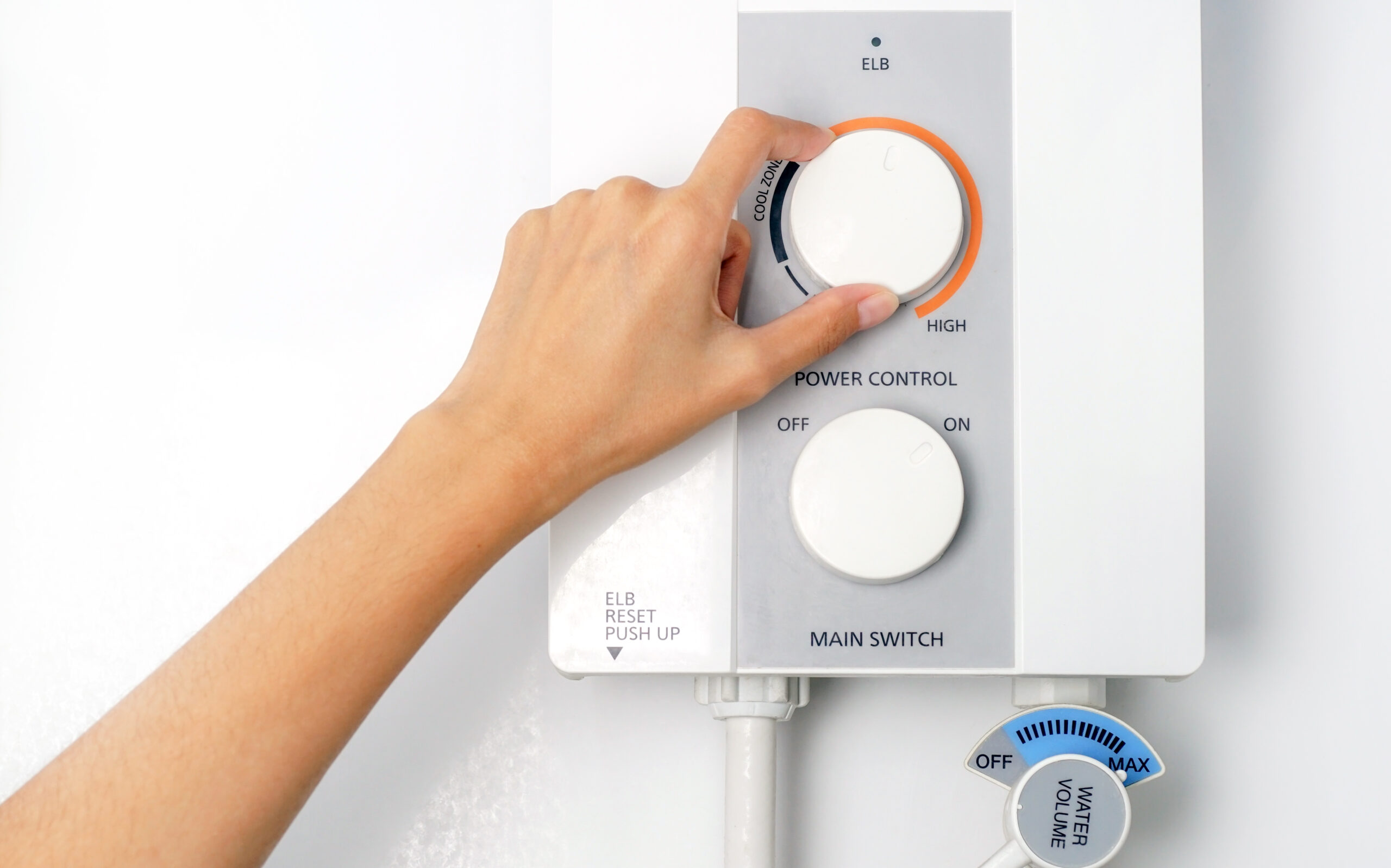
Sometimes the thermostat setting is too high. Locate the thermostat dial on the water heater. Turn the dial to a lower temperature setting, usually around 120°F. Check the water temperature after a few hours. Adjust again if the water remains too hot.
Credit: www.reddit.com
Preventive Tips
Preventing your water heater from getting too hot on the lowest setting helps save energy. It also keeps your home safe from burns and damage. Simple steps can make a big difference in how your water heater works.
Follow these tips to keep your water heater running smoothly and at the right temperature.
Regular Maintenance Schedule
Check your water heater every six months. Look for leaks, rust, and worn parts. Flush the tank to remove sediment. Sediment can cause the heater to overheat. Replace the anode rod if it is worn out. This part protects the tank from corrosion. Regular checks keep the heater safe and efficient.
Using A Water Heater Blanket
A water heater blanket helps keep heat inside the tank. This reduces energy use and prevents the heater from working too hard. Wrap the blanket around the tank, following the instructions. Do not cover the top or the thermostat. This simple step can lower your energy bills and protect your heater.
Installing A Mixing Valve
A mixing valve blends hot and cold water before it leaves the heater. This keeps water at a safe and steady temperature. The valve stops water from getting too hot, even if the heater is set too high. A plumber can install this valve quickly. It adds safety and comfort to your home water system.
When To Call A Professional
Knowing when to call a professional for a water heater that gets too hot on the lowest setting is important. Some problems need expert help to avoid damage or safety risks. A trained technician can find the exact cause and fix it safely. Do not wait too long if the issue keeps happening or involves electrical parts.
Persistent Overheating Issues
If your water heater stays too hot despite lowering the thermostat, it may have a serious problem. Constant overheating can damage the unit and increase energy costs. A professional can check the thermostat and heating elements accurately. They can replace faulty parts to stop overheating and keep water at a safe temperature.
Electrical Concerns
Water heaters use electricity to heat water. If you notice sparks, burning smells, or frequent breaker trips, call a professional immediately. Electrical problems can cause fires or shocks. Only a qualified technician should handle wiring or electrical repairs. They have tools and knowledge to fix issues safely and follow local codes.
Complex Repairs
Some water heater repairs are too complex for DIY fixes. Problems like a broken thermostat, damaged heating elements, or leaking tanks need special tools and skills. A professional can diagnose these issues quickly. They will perform repairs that last longer and protect your home from damage.
Credit: www.asiheatingandair.com
Frequently Asked Questions
Why Is My Water Heater Too Hot On The Lowest Setting?
A malfunctioning thermostat or sediment buildup often causes high temperatures. Check and replace the thermostat or flush the tank to fix overheating.
Can A Faulty Thermostat Cause Water Heater Overheating?
Yes, a faulty thermostat can misread temperature settings, causing water to overheat even on the lowest setting.
How Do I Adjust The Water Heater Temperature Safely?
Turn off power or gas supply first. Then use a screwdriver to adjust the thermostat dial to a lower setting.
Is Sediment Buildup Responsible For Excessive Water Heater Heat?
Sediment buildup insulates the heating element, causing it to overheat and raise water temperature beyond the set level.
Conclusion
A water heater that stays too hot on the lowest setting can cause problems. Check the thermostat and reset it if needed. Sediment buildup or a faulty thermostat may also be the cause. Regular maintenance helps keep your water heater working well.
Small fixes often save money and avoid bigger repairs. Stay safe by adjusting the temperature to a comfortable level. A well-set water heater means comfort and lower energy bills. Take action early to enjoy warm water without risks.