
Is your water heater suddenly not working, leaving you with cold showers? The culprit might be the thermal switch, a small but crucial safety device inside your unit.
Knowing how to perform a water heater thermal switch reset can save you time, money, and hassle. You’ll discover simple steps to get your heater back up and running safely. Keep reading to learn how to fix this common problem quickly and confidently.

Credit: www.youtube.com
How Thermal Switch Works
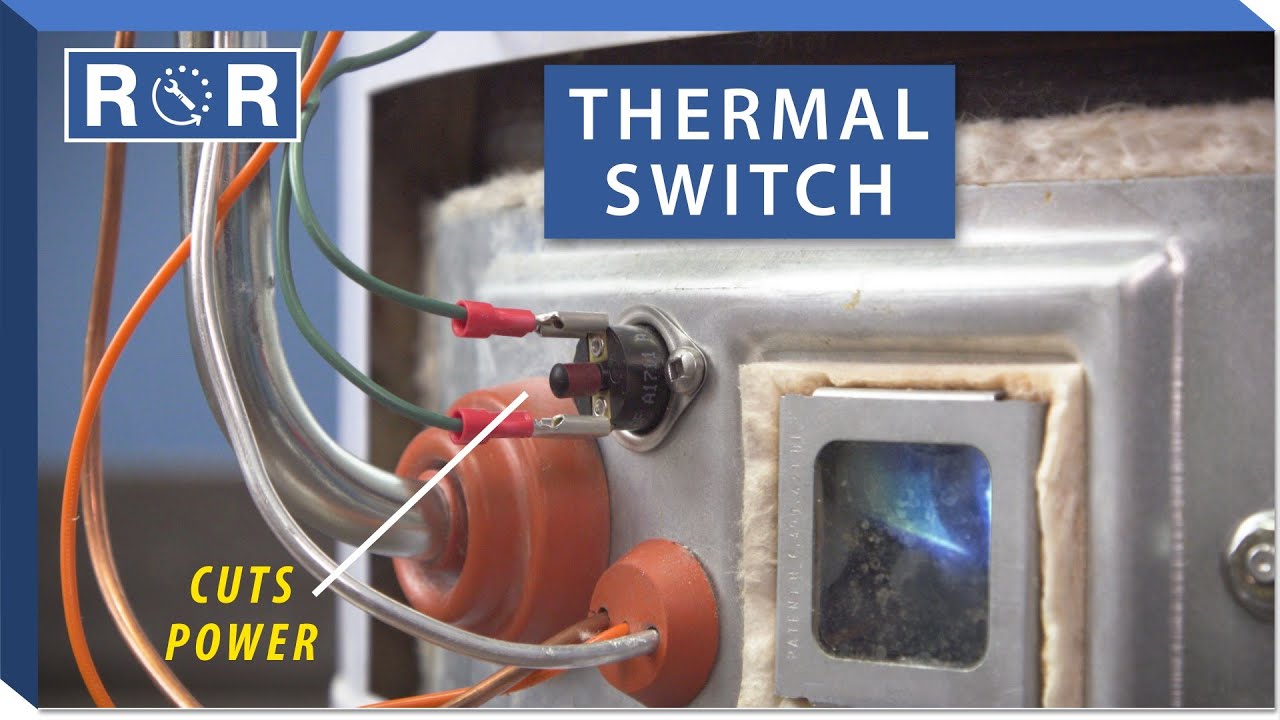
The thermal switch in a water heater plays a crucial role in keeping the system safe. It acts like a guard that watches the temperature inside the heater. When the water gets too hot, the switch turns off the power. This stops the heater from overheating and causing damage or danger.
The thermal switch works by sensing the heat level. It has a special material that changes when it gets hot. This change causes the switch to open or close an electrical circuit. When the circuit opens, the heater stops heating. Once the water cools down, the switch resets and allows the heater to work again.
Role In Water Heater Safety
The thermal switch prevents the water heater from reaching unsafe temperatures. It stops overheating that could cause fires or damage to the heater. This switch also protects other parts inside the heater from burning out. It is an important safety feature that keeps your home safe and the heater running well.
Common Signs Of Malfunction
A faulty thermal switch can cause the heater to stop working suddenly. You may notice no hot water or inconsistent heating. The heater might turn off too soon or fail to reset after cooling. Sometimes, the switch causes the water to get too hot. These signs mean the switch needs checking or replacement.

Credit: www.amazon.com
Causes For Thermal Switch Trips
The thermal switch in a water heater plays a key safety role. It stops the heater if the temperature gets too high. This prevents damage and fire risk. Several issues can cause the thermal switch to trip. Understanding these helps fix the problem quickly.
Overheating Issues
Overheating is the main cause of thermal switch trips. It happens if the thermostat fails. The heater then runs too long or too hot. Poor ventilation around the water heater can also cause heat buildup. The thermal switch cuts power to prevent damage.
Electrical Problems
Faulty wiring or loose connections can cause the switch to trip. Electrical surges may also trigger it. A damaged heating element draws excess current. This leads the thermal switch to shut off the heater. Regular electrical checks keep the system safe.
Sediment Buildup
Hard water creates sediment inside the tank. This sediment traps heat near the heating element. The trapped heat causes the water temperature to rise too much. The thermal switch then trips to avoid overheating. Flushing the tank reduces sediment and helps.
Step-by-step Reset Guide
Resetting the water heater thermal switch can fix many common problems. This guide helps you reset it safely and easily. Follow these clear steps to restore your water heater’s function.
Safety Precautions
Always turn off the power to the water heater before starting. This prevents electric shock. Use gloves to protect your hands. Make sure the area around the heater is dry. Never touch wires with wet hands. Keep children and pets away during the reset process.
Locating The Reset Button
Find the water heater’s access panel. It is usually near the bottom front. Remove the panel carefully. Inside, look for a red or black button. This is the thermal switch reset button. Note that some models may have a small cover over the button. Remove this cover if needed.
Performing The Reset
Press the reset button firmly. Hold it for about 5 seconds. You may hear a click sound. Release the button and replace the access panel. Turn the power back on. Wait a few minutes for the heater to warm up. Check if hot water returns. Repeat the steps if necessary.
Preventive Maintenance Tips
Preventive maintenance helps your water heater work well for many years. Small checks and simple care stop big problems. This saves money and avoids sudden breaks. Follow these tips to keep the thermal switch and heater safe.
Regular Flushing
Flush your water heater every six months. This removes sediment and dirt inside the tank. Sediment can block the thermal switch and reduce heating. Use a garden hose to drain the tank. Flush until the water runs clear. This keeps the heater efficient and extends its life.
Checking Wiring Connections
Check wiring connections twice a year. Loose or damaged wires can cause the thermal switch to fail. Turn off power before inspecting. Tighten any loose wires carefully. Replace damaged wires right away. Good wiring keeps the heater safe and avoids resets.
Temperature Setting Adjustments
Set the water temperature to 120°F (49°C). Higher temperatures stress the thermal switch. This causes it to trip often and may damage the heater. Use a thermometer to check the temperature. Adjust the thermostat if needed. Proper temperature saves energy and protects the heater parts.
Energy Savings Benefits
Saving energy with your water heater is possible by using the thermal switch reset. This small device helps control the water heater’s temperature efficiently. It stops the heater from working too much. This means less electricity or gas is used. Energy savings benefits are important for lowering bills and protecting the environment.
Using the thermal switch reset correctly can improve how your water heater works. It helps the heater run only when needed. This reduces waste and keeps your home comfortable. Let’s explore how this helps save power and extend your water heater’s life.
Reducing Power Consumption
The thermal switch reset stops the water heater from overheating. Overheating wastes a lot of energy. By keeping the temperature steady, the heater uses less power. This leads to lower electricity or gas bills. A well-controlled heater runs less often. It only heats water when needed, saving energy daily.
Extending Water Heater Lifespan
Resetting the thermal switch prevents damage from overheating. It protects important parts inside the water heater. Avoiding extra heat keeps the heater working longer. A longer lifespan means fewer repairs and replacements. This saves money and reduces waste. Caring for your water heater also helps it use energy better.
Credit: www.youtube.com
When To Call A Professional
Knowing when to call a professional for your water heater thermal switch reset saves time and prevents damage. Some problems look simple but need expert care. Recognizing these signs helps keep your heater safe and working well.
Persistent Reset Issues
Resetting the thermal switch again and again is a warning sign. It means the issue is not fixed. The switch may trip due to a deeper problem. A professional can find the root cause. They have the tools and knowledge to fix it properly. Avoid guessing or repeated resets to protect your water heater.
Complex Electrical Faults
Electrical problems with your water heater need expert attention. Faulty wiring or damaged components can cause safety risks. A professional electrician understands how to handle these risks safely. They can test, repair, or replace parts correctly. Do not try to fix electrical faults yourself. Call a professional to keep your home safe and your heater running smoothly.
Frequently Asked Questions
What Is A Water Heater Thermal Switch Reset?
A water heater thermal switch reset is a safety feature that shuts off power if the unit overheats. Resetting it restores normal operation once the issue is resolved. It prevents damage and potential hazards.
How Do I Reset My Water Heater Thermal Switch?
Locate the reset button on the water heater’s thermostat or thermal switch. Press it firmly until you hear a click. This action restarts the heating element and restores power.
Why Does My Water Heater Thermal Switch Keep Tripping?
Frequent tripping often indicates overheating, a faulty thermostat, or sediment buildup. These issues cause the thermal switch to cut power for safety. Regular maintenance can help prevent this problem.
Can I Reset The Thermal Switch Myself Safely?
Yes, resetting is safe if you follow proper steps and turn off the power first. If the switch trips repeatedly, call a professional to inspect the heater.
Conclusion
Resetting your water heater’s thermal switch can fix many heating issues. Always turn off power before starting the reset. Check the switch carefully for any damage or wear. Regular maintenance helps keep your water heater working well. If problems continue, call a professional for safety.
Taking these steps saves time and money on repairs. Stay safe and keep your hot water flowing smoothly. Simple care makes a big difference in your home comfort.