
Choosing the right size tankless water heater can feel tricky. If your heater is too small, you’ll run out of hot water when you need it most.
Too big, and you’ll waste energy and money. You want a solution that fits your home and lifestyle perfectly. You’ll discover exactly how to find the ideal size for your tankless water heater. By the end, you’ll be confident in making a smart choice that keeps your water hot and your bills low.
Keep reading to get the answers you need!
Credit: caravanstallingvangelder.nl
How Tankless Water Heaters Work
Tankless water heaters heat water only when you need it. They do not store hot water like traditional tanks. This makes them energy-efficient and saves space.
Water flows through the unit, and a heating element warms it instantly. This process delivers hot water on demand without waiting for a tank to fill.
Instant Heating Process
Cold water enters the heater through a pipe. Sensors detect the flow and turn on the heating element. The water heats quickly as it passes through.
This method provides a continuous supply of hot water. There is no limit until the heater’s maximum flow rate is reached.
Energy Efficiency
Tankless heaters use energy only when water flows. This reduces wasted energy compared to tank heaters. It lowers utility bills and is better for the environment.
Space Saving Design
These units are compact and wall-mounted. They take up less space than bulky storage tanks. Ideal for small homes or tight spaces.
Credit: plumbingsacramento.com
Benefits Of Tankless Water Heaters
Tankless water heaters offer many benefits over traditional models. They save space and provide hot water on demand. Their energy efficiency helps reduce utility bills. These features make tankless heaters a popular choice for homes.
Choosing the right size tankless water heater is important. The benefits depend on selecting a unit that matches your water needs. Understanding these advantages helps make a smart decision.
Energy Efficiency And Cost Savings
Tankless water heaters heat water only when needed. This reduces energy waste compared to storage tanks. Lower energy use means smaller electricity or gas bills. Over time, these savings can be significant for homeowners.
Endless Hot Water Supply
These heaters provide hot water continuously. There is no need to wait for a tank to refill. This is ideal for large families or homes with multiple bathrooms. Everyone can enjoy hot water without running out.
Space-saving Design
Tankless units are compact and wall-mounted. They take up less space than bulky tanks. This frees up room in closets or basements. Smaller size also allows installation in tight spaces.
Longer Lifespan And Low Maintenance
Tankless water heaters last longer than traditional tanks. They often work well for 20 years or more. Maintenance is simpler, with fewer parts to replace. This reduces repair costs and hassle over time.
Factors Influencing Size Choice
Choosing the right size for a tankless water heater depends on several important factors. These factors help determine the right capacity to meet your home’s hot water needs. Understanding them ensures you buy a heater that works well and saves energy. Consider the flow rate, temperature rise, and household water usage carefully. Each plays a key role in sizing your tankless water heater.
Flow Rate Requirements
Flow rate means how much water flows through the heater per minute. It is measured in gallons per minute (GPM). Higher flow rates need bigger heaters. Think about how many fixtures run at once. Showers, faucets, and appliances add to the total flow. Add their GPM to find your peak demand. The heater must handle this flow without losing pressure.
Temperature Rise Needed
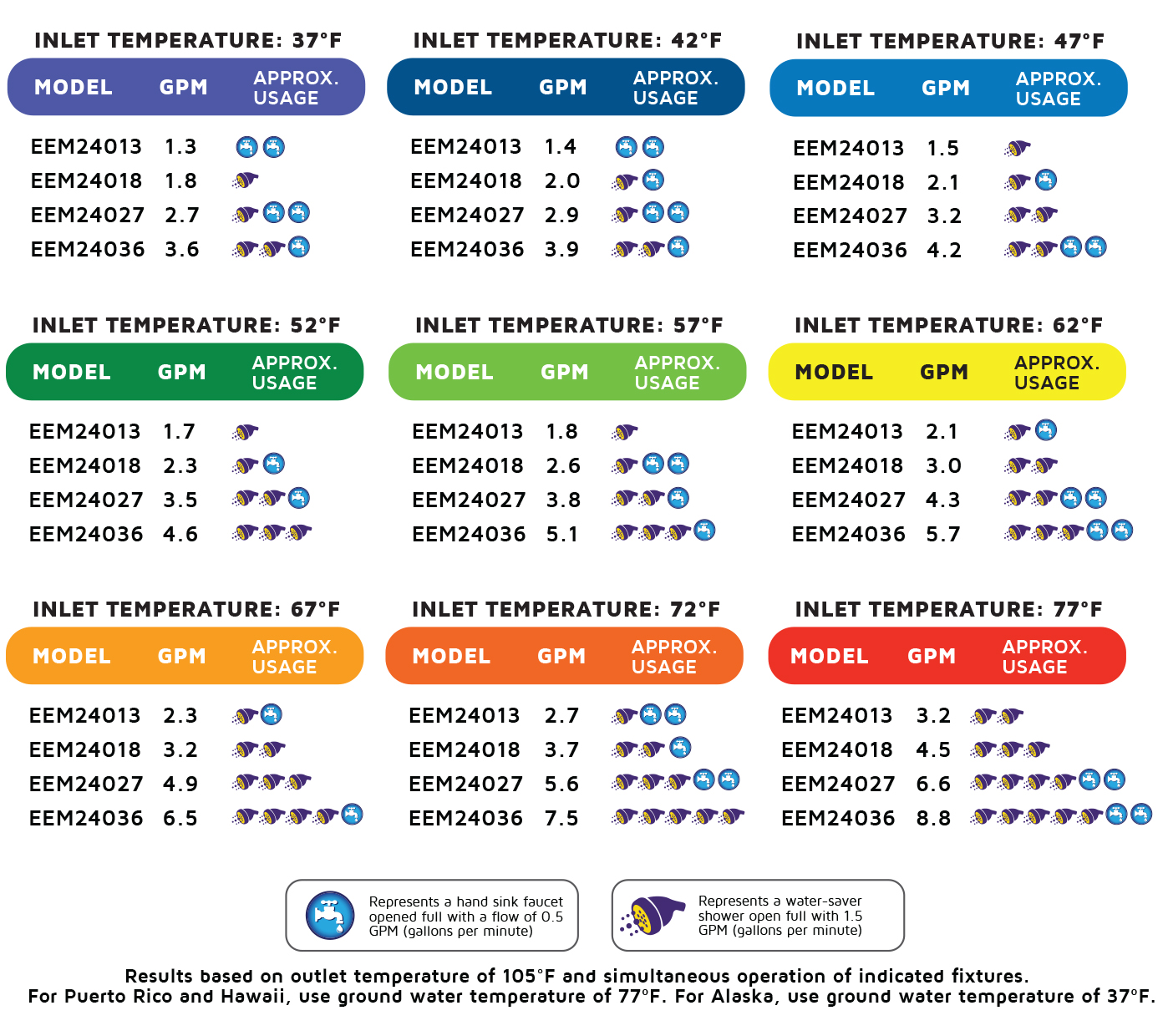
Temperature rise is the difference between incoming water and desired hot water. Cold water entering the heater needs to warm up to a set temperature. The bigger the difference, the more power the heater needs. For example, colder climates require higher temperature rises. Check your local water temperature and your preferred hot water temperature. This helps pick the right heater size.
Household Water Usage
Household water usage varies by family size and habits. More people mean more hot water demand. Also, consider how often hot water is used during the day. Kitchens, laundry, and bathrooms all use hot water differently. Track your daily water use patterns. This gives a clear idea of the heater size needed. A properly sized unit avoids running out of hot water.

Credit: naranjosdemarbella.com
Calculating Flow Rate
Calculating the flow rate is key to choosing the right tankless water heater. It tells you how much hot water you need at one time. This helps avoid buying a unit that is too small or too large. Knowing the flow rate ensures steady hot water for your home.
Common Fixture Flow Rates
Each water fixture uses water at a certain flow rate. Showers usually use about 2.5 gallons per minute (GPM). Kitchen faucets often run around 2.2 GPM. Bathroom sinks use less, about 1.0 GPM. Dishwashers need about 1.5 GPM. Washing machines use roughly 2.0 GPM.
Knowing these numbers helps add up total flow needs. This guides you in picking the right heater size.
Simultaneous Usage Considerations
Homes often use several fixtures at once. For example, a shower and dishwasher may run together. Add their flow rates to find total demand. This sum shows the peak flow your heater must handle.
Consider your household habits. Think about how many fixtures run at the same time. This avoids running out of hot water during busy moments.
Determining Temperature Rise
Understanding temperature rise is important when choosing a tankless water heater. It tells you how much the heater needs to warm the water. This helps find the right size unit for your home.
Temperature rise is the difference between the water coming into the heater and the hot water you want. Knowing this number helps match the heater’s power to your needs. Let’s look at the two key parts of temperature rise.
Incoming Water Temperature
Incoming water temperature is how cold the water is before heating. It changes by location and season. In winter, water can be much colder than in summer.
Check the average cold water temperature in your area. This number is the starting point for temperature rise. The colder the incoming water, the harder the heater must work.
Desired Hot Water Temperature
Desired hot water temperature is how warm you want your water. Most people prefer water between 105°F and 120°F. Some homes may need hotter water for certain uses.
Decide the temperature that feels comfortable. The difference between this and incoming water is the temperature rise. A higher rise means you need a more powerful heater.
Sizing Based On Fuel Type
Sizing a tankless water heater depends on the fuel type it uses. Fuel type affects the heater’s power and efficiency. It also changes how much hot water the system can deliver at once. Choosing the right size means matching the heater to your home’s needs and fuel source.
Electric Tankless Heaters
Electric tankless heaters are compact and easy to install. They work best for small to medium homes. Electric models heat water quickly but have lower flow rates. Typically, they provide 2 to 5 gallons per minute. Homes with low to moderate hot water use benefit most. Electric heaters need enough electrical capacity. Check your home’s wiring before choosing electric.
Gas Tankless Heaters
Gas tankless heaters offer higher flow rates than electric models. They can supply hot water for large homes and multiple bathrooms. Gas heaters deliver 6 to 10 gallons per minute or more. They heat water faster using natural gas or propane. Gas models require proper venting and gas lines. These heaters suit homes with high hot water demand.
Popular Sizes And Their Uses
Choosing the right size tankless water heater depends on your hot water needs. Popular sizes match different household sizes and uses. This guide helps you find the right unit size for your home.
Each size offers different flow rates and heating power. This affects how many fixtures get hot water at the same time. Knowing these details saves money and energy.
Small Units For Apartments
Small tankless water heaters provide about 2 to 4 gallons per minute. They suit studios or one-bedroom apartments. Perfect for a single bathroom and kitchen sink.
These units use less energy and fit in small spaces. They deliver enough hot water for quick showers and dishwashing. Ideal for people living alone or couples.
Medium Units For Families
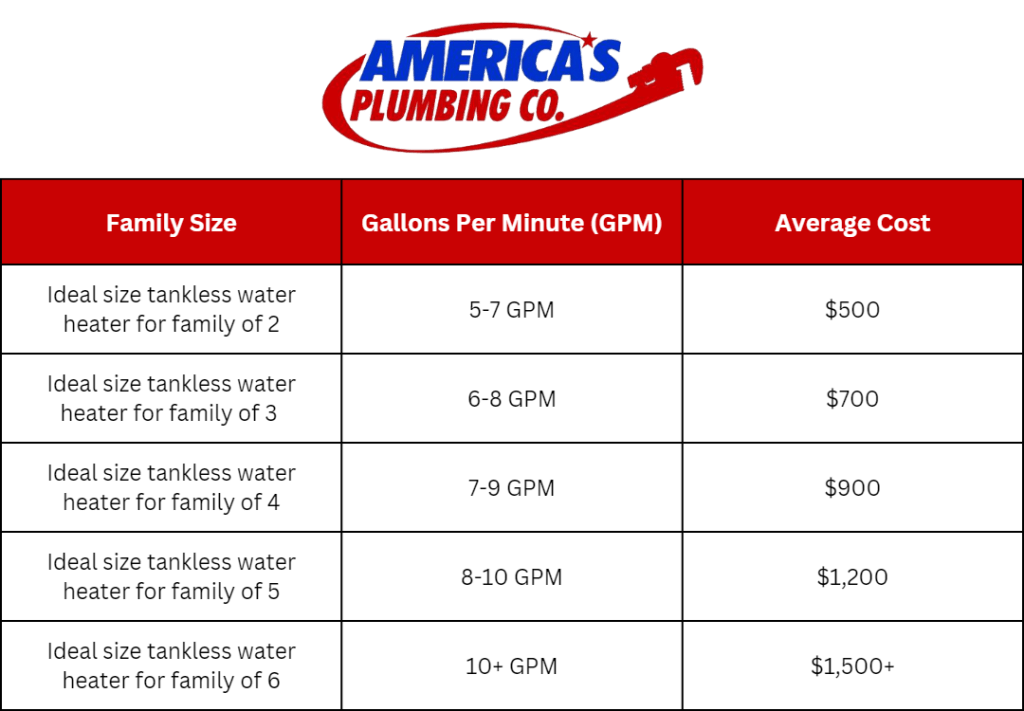
Medium units supply 5 to 7 gallons per minute. Good for homes with two bathrooms. They support simultaneous use of showers, sinks, and appliances.
These heaters handle daily needs of 3 to 4 people. They keep water hot without long waits. Suitable for small to mid-sized families.
Large Units For Multiple Bathrooms
Large tankless water heaters deliver 8 or more gallons per minute. Fit for big homes with 4 or more bathrooms. They allow many fixtures to run hot water at once.
These units work well in busy households or shared living spaces. They provide constant hot water for multiple users. Perfect for larger families or homes with high demand.
Installation Tips For Best Performance
Proper installation is key to getting the best performance from your tankless water heater. A good setup ensures steady hot water and saves energy. It also helps avoid costly repairs and extends the heater’s life.
Follow these tips to install your tankless water heater correctly. Simple steps can make a big difference in how well your system works.
Choose The Right Location
Select a spot close to where you use hot water most. This reduces heat loss through pipes. Keep the unit away from cold drafts and direct sunlight. Make sure the area has enough space for maintenance and airflow.
Check Water And Gas Supply Lines
Use the correct pipe size for water and gas lines. Small pipes can lower water flow and pressure. Ensure the gas supply meets the heater’s needs. Poor gas flow can cause the unit to underperform.
Install Proper Venting
Use the venting system recommended by the manufacturer. Proper venting removes harmful gases safely. It also keeps the heater running efficiently. Avoid long or complex vent runs that can block airflow.
Use A Dedicated Circuit
Connect electric tankless heaters to a separate electrical circuit. This prevents overload and ensures steady power. Follow local electrical codes for safety and compliance.
Flush The System Regularly
Mineral buildup can harm your heater’s performance. Flush the system at least once a year. This removes scale and keeps water flowing smoothly.
Common Mistakes To Avoid
Choosing the right size tankless water heater is important. Many people make mistakes that cause problems later. These mistakes lead to poor performance and wasted money. Avoid these common errors to get the best results. This section helps you understand what to watch out for.
Ignoring Peak Water Usage
Some assume a small heater works for every time. They forget about peak water use times like mornings. This causes low water flow and cold showers. Calculate the highest water use in your home. This helps pick the right heater size.
Overestimating Flow Rates
Using flow rates that are too high leads to buying a bigger unit than needed. Big heaters cost more and waste energy. Check flow rates of your fixtures carefully. Use real data, not guesses, to find the right size.
Not Considering Temperature Rise
Temperature rise means how much the water heats up. Ignoring this can cause poor hot water supply. Cold water needs more heating in winter. Pick a heater that handles your area’s cold water temperature well.
Forgetting Future Needs
Only thinking of current water use is a mistake. Families grow or add appliances over time. Plan for future water needs. A slightly bigger heater saves money and hassle later.
Overlooking Energy Efficiency
Choosing size without checking energy efficiency leads to high bills. Bigger units use more power. Find a heater that fits your needs and saves energy. This reduces costs and helps the environment.
Frequently Asked Questions
What Factors Determine Tankless Water Heater Size?
Tankless water heater size depends on flow rate and temperature rise. Consider how many fixtures run simultaneously. Calculate gallons per minute (GPM) needed. Account for the climate’s incoming water temperature. Proper sizing ensures efficient, consistent hot water supply.
How To Calculate Flow Rate For Tankless Heaters?
Add the flow rates of all fixtures used simultaneously. For example, a shower uses about 2. 5 GPM. Sum these values to find total GPM. This total helps select a heater that meets your hot water demand.
Why Is Temperature Rise Important In Sizing?
Temperature rise is the difference between incoming water and desired output. Colder water requires a higher temperature rise. Knowing this ensures the heater can warm water effectively. It prevents underperformance in cold climates.
Can A Tankless Water Heater Serve An Entire House?
Yes, if properly sized based on total flow rate and temperature rise. Larger homes may need a higher capacity unit or multiple heaters. Correct sizing provides continuous hot water without delays or drops in temperature.
Conclusion
Choosing the right tankless water heater size saves energy and money. Think about your home’s water needs and peak usage times. Small units work for fewer people or low demand. Larger units fit bigger families or heavy water use. Check the flow rate and temperature rise needed.
A correctly sized heater gives hot water on demand. Avoid buying too big or too small. This keeps your system efficient and lasts longer. Take time to measure and plan carefully. Good sizing means comfort and savings every day.