
If you have a hot water heater, the flue installation is one part you can’t overlook. It might seem simple, but a poorly installed flue can cause serious problems like dangerous gas leaks or inefficient heating.
You want your home to be safe and your heater to work perfectly, right? This guide will walk you through everything you need to know about hot water heater flue installation, helping you avoid costly mistakes and keep your family safe.
Stick with me, and you’ll learn how to get it done right the first time.
Credit: www.energyvanguard.com
Choosing The Right Flue
Choosing the right flue for your hot water heater is very important. The flue carries harmful gases outside your home. A wrong flue can cause leaks or poor ventilation. This can lead to safety problems and reduce heater efficiency. Understanding your options helps pick the best flue for your system.
Types Of Flue Materials
Flues come in several materials. Common types include stainless steel, aluminum, and PVC. Stainless steel is strong and resists heat well. Aluminum is lightweight and cost-effective but less durable. PVC suits low-temperature heaters and is easy to install. Each material fits different heater types and installation needs.
Sizing The Flue Correctly
Flue size affects how gases flow out. Too small a flue causes poor ventilation and risks gas buildup. Too large wastes heat and space. Measure the heater’s output and follow manufacturer guidelines. Proper sizing ensures safe and efficient gas removal.
Matching Flue To Heater Model
Every heater model has specific flue requirements. Check your heater’s manual for flue type and size. Some heaters need double-wall flues for extra insulation. Others require special connectors. Using the right flue type prevents leaks and keeps the heater working well.
Planning The Installation
Planning the installation of a hot water heater flue is important. Proper planning ensures safety and efficiency. It helps avoid mistakes that cost time and money. This section covers key points you must consider before starting the installation.
Location Considerations
Choose a spot that allows easy venting of gases. The flue must lead outside without obstructions. Avoid placing it near windows, doors, or air vents. Check that the area stays dry and well-ventilated. Ensure there is enough space for maintenance and inspection.
Local Codes And Permits
Follow your local building codes strictly. These rules protect your home and family. Obtain necessary permits before beginning work. Inspectors may visit to verify compliance. Ignoring codes can cause fines or unsafe conditions.
Tools And Materials Needed
Gather all tools and parts beforehand. Common tools include a drill, screwdriver, and measuring tape. Materials often include flue pipe sections, sealant, brackets, and insulation. Using the right tools makes installation smooth and safe.
Step-by-step Installation Guide
Installing a hot water heater flue properly is key to safe and efficient operation. This guide breaks down the process into simple steps. Each step ensures your flue works well and prevents dangerous gas leaks. Follow the instructions carefully for the best results.
Preparing The Heater And Flue
Start by turning off the heater and letting it cool. Clear the area around the heater. Check the flue parts for any damage or dirt. Clean the flue pipe ends to ensure a tight fit. Measure the length needed for the flue pipe. Cut the pipe carefully if needed, using proper tools.
Securing Flue Connections
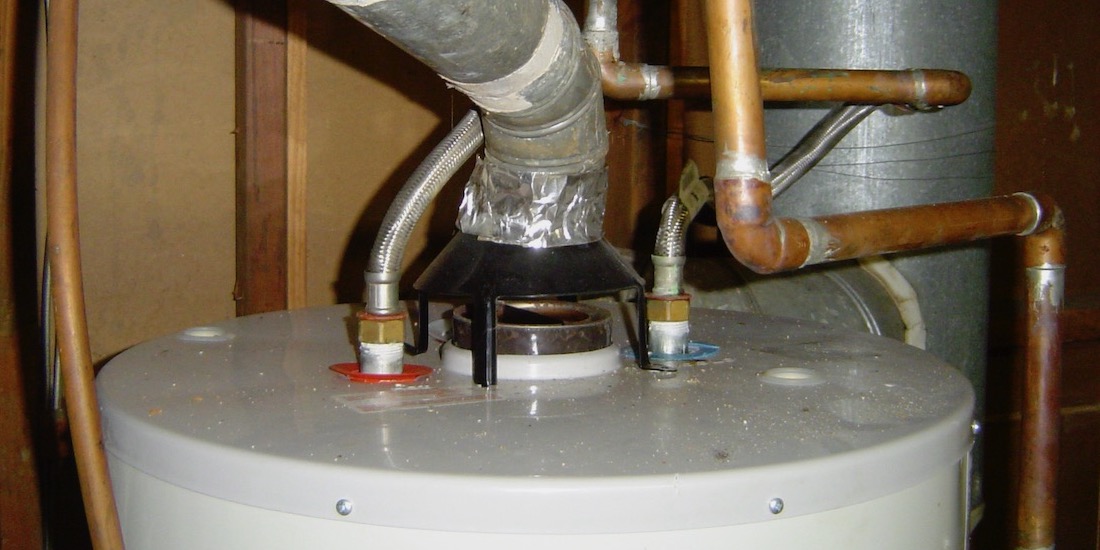
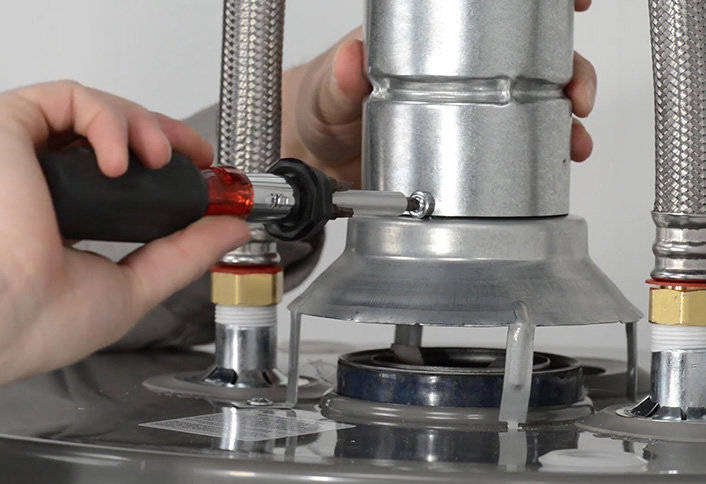
Attach the first flue section to the heater outlet. Push the pipe firmly to avoid gaps. Use metal clamps or screws to secure the joint. Connect additional flue sections the same way. Make sure each piece fits tightly into the next. Secure all joints to prevent leaks and ensure stability.
Sealing And Insulating The Flue
Apply high-temperature sealant to all pipe joints. This stops gas and smoke from escaping. Wrap insulation around the flue where it passes through walls or ceilings. Use insulation materials rated for high heat. Check that the flue is straight and properly supported. Seal any gaps around wall or roof penetrations.
Safety Precautions
Safety is the top priority during hot water heater flue installation. Incorrect setup can cause serious health hazards. Taking the right safety steps protects your home and family. Understanding these precautions helps avoid risks and ensures proper function.
Avoiding Carbon Monoxide Risks
Carbon monoxide is a deadly gas produced by fuel burning. A poorly installed flue can let this gas enter your home. Always ensure the flue vents exhaust gases outside. Use carbon monoxide detectors near the heater for added safety. Never block or close the flue vents.
Proper Ventilation Techniques
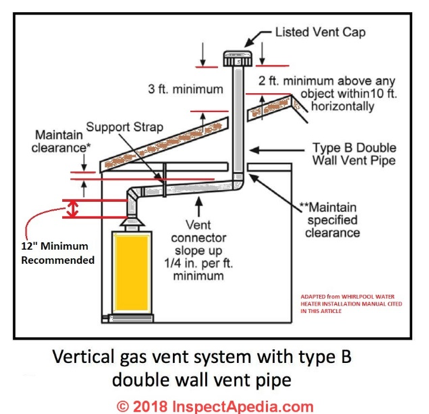
Good ventilation keeps air flowing and removes harmful gases. The flue must be the correct size and slope. Check local codes for ventilation requirements. Avoid any bends or obstructions that slow airflow. Always install vents away from windows and doors to prevent gas re-entry.
Regular Inspection And Maintenance
Flues can get clogged or damaged over time. Inspect the flue at least once a year. Look for cracks, rust, or blockages like bird nests. Clean the flue to remove soot and debris. Fix any problems immediately to keep the system safe and efficient.
Improving Efficiency
Improving the efficiency of your hot water heater flue can save energy and reduce costs. A well-installed flue helps the heater work better and last longer. Small changes in the flue system can lead to noticeable improvements in performance. Below are key ways to boost flue efficiency.
Reducing Heat Loss
Heat loss through the flue wastes energy and raises bills. Proper insulation around the flue pipe keeps heat inside. Sealing gaps in the flue prevents warm air from escaping. Using quality materials for the flue also reduces heat loss. Less heat lost means more hot water with less fuel.
Optimizing Flue Draft
The flue draft moves harmful gases out of the home safely. A strong draft improves combustion and heater efficiency. Correct flue height and diameter help create the right draft. Avoid bends and obstructions that slow airflow. Regular cleaning ensures the draft stays strong and steady.
Upgrading To High-efficiency Components
New flue parts can improve heater performance significantly. High-efficiency flue liners reduce heat loss and resist corrosion. Modern vent caps keep rain and debris out, protecting the flue. Consider upgrading old flue pipes to meet current standards. These components help your water heater run cleaner and use less energy.
Credit: www.goldkeyinspect.com
Troubleshooting Common Issues
Troubleshooting common problems with your hot water heater flue can save time and money. Many issues arise from simple causes. Knowing how to spot and fix these problems helps keep your heater safe and efficient.
Some problems may reduce heating power or cause dangerous gases to build up. Early detection prevents bigger damage. Below are key issues to watch for and how to address them.
Identifying Blockages
Blockages in the flue stop smoke and gases from escaping. Leaves, bird nests, or debris often cause this. Check the flue top for visible obstructions. Smoke or soot near the heater signals a blockage. Clear the flue carefully using a brush or call a professional if unsure.
Fixing Leaks And Corrosion
Leaks in the flue let harmful gases escape inside your home. Rust and corrosion weaken the metal over time. Look for holes, rust spots, or moisture around the flue. Small holes can be patched with special tape or sealant. Replace severely corroded sections to keep the flue safe.
Addressing Draft Problems
A poor draft means the flue does not pull smoke out properly. This causes smoke buildup and odors indoors. Check that the flue is straight and tall enough. Cold air entering the flue can block the draft. Insulating the flue or adding a draft inducer fan helps improve airflow.
Credit: allurelakestorey.com
Frequently Asked Questions
What Is A Hot Water Heater Flue Installation?
A hot water heater flue installation safely vents combustion gases outside. It prevents harmful fumes from entering living spaces. Proper installation ensures efficient heater operation and compliance with safety codes. It is essential for gas-powered water heaters.
How To Install A Hot Water Heater Flue?
To install a flue, measure and cut the pipe accurately. Connect the flue pipe to the heater’s exhaust outlet. Secure joints with clamps and sealants. Ensure the flue vents outside, following local building codes. Always check for leaks and proper ventilation.
Why Is Hot Water Heater Flue Important?
The flue removes dangerous gases like carbon monoxide from your home. It protects indoor air quality and prevents fire hazards. Without a flue, toxic fumes can accumulate, posing serious health risks. Proper flue installation is vital for safety and heater efficiency.
Can I Install A Hot Water Heater Flue Myself?
DIY installation is possible but requires knowledge of building codes. Incorrect installation risks gas leaks and carbon monoxide poisoning. It’s safer to hire a professional plumber or HVAC technician. Professionals ensure compliance and safe, efficient venting.
Conclusion
Proper hot water heater flue installation keeps your home safe and warm. It helps remove harmful gases outside. A well-installed flue improves heater efficiency and saves energy. Always follow safety rules and local codes during installation. Regular checks ensure the flue works correctly.
Trust experts if unsure about the process. A good flue means better heater performance and peace of mind. Simple steps make a big difference in safety and comfort. Don’t skip this important part of your hot water heater setup.