Are you wondering how much a hot water heater inspection might cost? Knowing this can save you from unexpected expenses and help keep your home running smoothly.
Your hot water heater works hard every day, and regular inspections can catch small problems before they turn into costly repairs. You’ll discover what factors affect the inspection cost and why investing a little now can protect your comfort and wallet later.
Keep reading to find out exactly what you need to know before booking your inspection.
Credit: hmc-catering.com
Factors Influencing Inspection Cost
The cost of a hot water heater inspection can vary widely. Several factors play a role in determining the final price. Understanding these factors helps you prepare for the expense. It also helps you know what to expect during the inspection process.
Type Of Water Heater
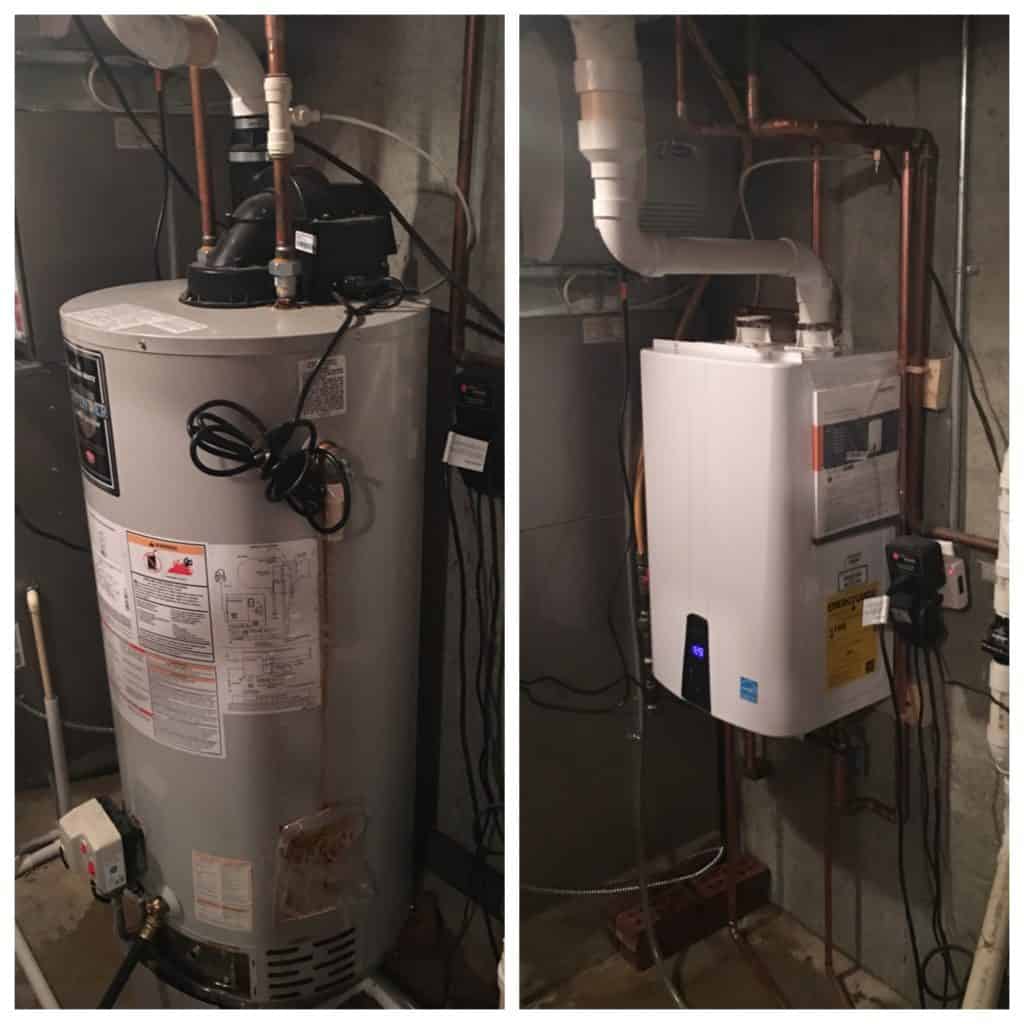
Different water heaters require different inspection efforts. Tankless heaters may need more detailed checks. Traditional tank models usually take less time to inspect. Electric and gas units have unique parts to examine. These differences affect the inspection cost.
Inspection Scope
The depth of the inspection changes the price. A basic check covers general safety and function. A full inspection includes internal parts and efficiency tests. More thorough inspections take longer and cost more. Decide on the level of inspection you need.
Location And Accessibility
The water heater’s location impacts the inspection cost. Easy access lowers the time and effort needed. Tight or hard-to-reach spaces increase labor time. Outdoor units might require extra safety checks. Location details can change the inspection price.
Service Provider Rates
Different companies charge different rates for inspections. Experienced and licensed providers may cost more. Local market rates influence prices in your area. Some providers offer package deals for multiple services. Compare rates to find a fair price.
Average Price Range
Understanding the average price range for a hot water heater inspection helps plan your budget. Costs vary based on location, heater type, and service provider. Knowing typical fees prevents surprises and ensures a smooth process.
Standard Inspection Fees
Most hot water heater inspections cost between $75 and $150. This fee covers checking the tank, pipes, and valves for leaks or damage. Inspectors also test the thermostat and pressure relief valve. The goal is to find issues before they grow into expensive repairs.
Some companies offer a flat rate, while others charge by the hour. Usually, a basic inspection takes about 30 to 60 minutes. This timing fits well within the standard fee.
Additional Charges To Expect
Extra costs may appear if the technician finds problems during the inspection. Repair work, parts replacement, or cleaning may add $50 to $300 or more. Some firms charge a service call fee if you do not proceed with repairs.
Older or complex water heaters might require longer inspections or special tools. This can increase the price. Always ask about potential extra charges before booking the service.
Diy Vs Professional Inspection
Deciding between a DIY or professional hot water heater inspection affects safety and cost. Some homeowners try self-inspection to save money. Others prefer experts for thorough checks and peace of mind. Understanding both options helps make the right choice.
Benefits Of Hiring Experts
Professionals know the signs of damage and wear. They use tools to find hidden problems fast. Hiring experts reduces the risk of missing serious issues. Experts also follow safety rules strictly. They can suggest repairs or replacements early. This saves money by avoiding bigger problems later. Experts provide a full report on your heater’s condition. Their experience ensures the inspection is thorough and accurate.
Risks Of Self-inspection
DIY inspection may miss subtle warning signs. Lack of proper tools limits what you can check. Mistakes during inspection can cause leaks or damage. Safety hazards increase without proper training. Incorrect assessment might lead to costly repairs later. Missing a problem risks sudden heater failure. Self-inspection might not meet local safety standards. This could affect your home insurance or resale value.
Credit: www.panoramataghazout.com
Signs You Need An Inspection
Knowing when your hot water heater needs an inspection can save you from costly repairs. Early signs show that your heater might not be working right. Spotting these signs early helps keep your home safe and your water hot.
Leaks And Corrosion
Water around the base of your heater is a warning sign. Leaks can cause damage to floors and walls. Rust or corrosion on the tank means metal is breaking down. Both need a professional to check the tank’s condition.
Unusual Noises
Strange sounds coming from your heater are not normal. Popping, banging, or rumbling noises indicate sediment build-up. Sediment can harm the heater’s parts and reduce efficiency. An inspection can find the problem before it worsens.
Temperature Fluctuations
Water that suddenly becomes very hot or cold is a concern. Your heater should keep water at a steady temperature. Fluctuations can mean the thermostat or heating element is faulty. A quick inspection can identify the issue and fix it.
Tips To Lower Inspection Costs
Hot water heater inspection costs can add up quickly. Saving money on these inspections is possible with smart choices. Small actions can help lower the price without losing quality.
Regular Maintenance
Keep your water heater clean and checked often. Regular care stops big problems from growing. It helps the inspector find fewer issues. This means lower repair and inspection costs. Simple tasks like flushing the tank can extend your heater’s life.
Bundling Services
Combine your water heater inspection with other home checks. Many companies offer discounts for multiple services. This saves time and money. Getting a bundle deal reduces the cost of each visit. Ask providers if they have package offers available.
Choosing Local Providers
Pick service providers near your home. Local experts often charge less than large companies. They spend less on travel and pass savings to you. Local providers know the common issues in your area. This can lead to faster and cheaper inspections.
What Happens During Inspection
Understanding what happens during a hot water heater inspection helps you know what to expect. This process checks the heater’s condition and safety. It ensures your heater works properly and lasts longer. A professional follows clear steps to examine your system carefully.
Visual Examination
The inspector starts with a visual check of the heater. They look for signs of rust, leaks, or damage. They also check the tank, pipes, and connections. Any visible problems can mean future issues or safety risks. This step helps spot obvious faults quickly.
Pressure And Temperature Tests
Next, the inspector tests the pressure and temperature settings. These must be within safe limits to avoid accidents. The inspector uses special tools to measure them accurately. If the pressure or temperature is too high, it can cause damage or leaks. This test ensures the heater works safely and efficiently.
Safety Valve Check
The safety valve is a key part of the heater. It prevents too much pressure from building inside. The inspector checks if the valve opens and closes properly. A faulty valve can cause dangerous pressure buildup. Testing the valve protects your home and family from harm.

Credit: hmc-catering.com
Conclusion
Regular hot water heater inspections save money and avoid big repairs. Costs vary by location and heater type. Knowing average prices helps plan your budget better. A timely check keeps your heater working well and safe. Don’t wait for problems to start.
Small fees now can prevent costly damage later. Keep your home warm and your water hot. Simple steps lead to peace of mind. Schedule an inspection soon.