
Is your water heater making weird noise that you just can’t ignore? Those strange sounds might be more than just a minor annoyance.
They could be signaling a problem that affects your comfort and your wallet. You deserve to know what’s causing those noises and how to fix them before things get worse. Keep reading, and you’ll discover simple explanations and easy steps to silence your water heater for good.
Don’t let that noise ruin your day or your hot water supply!
Credit: funphotobooth.com.br
Common Noises From Water Heaters
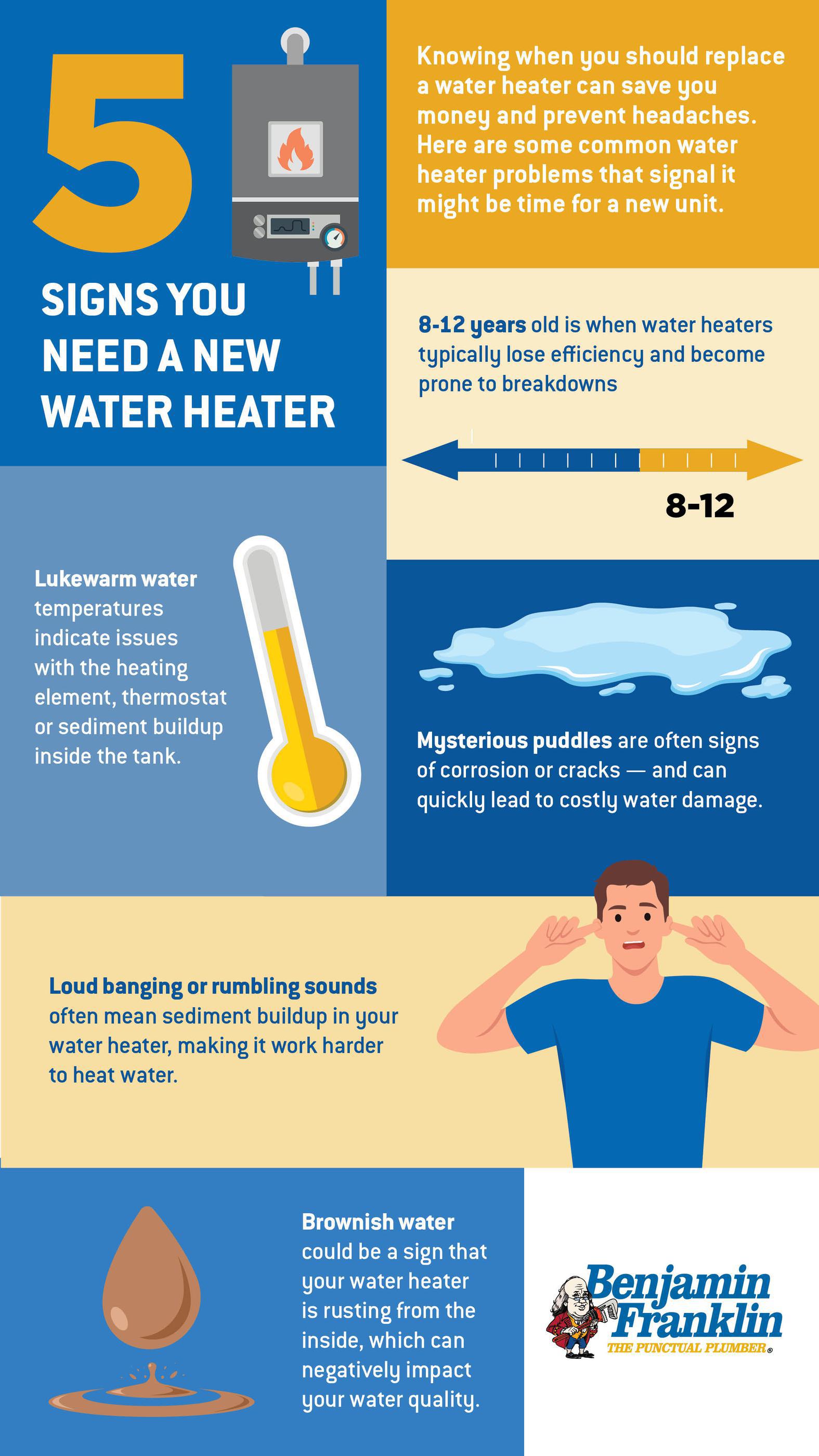
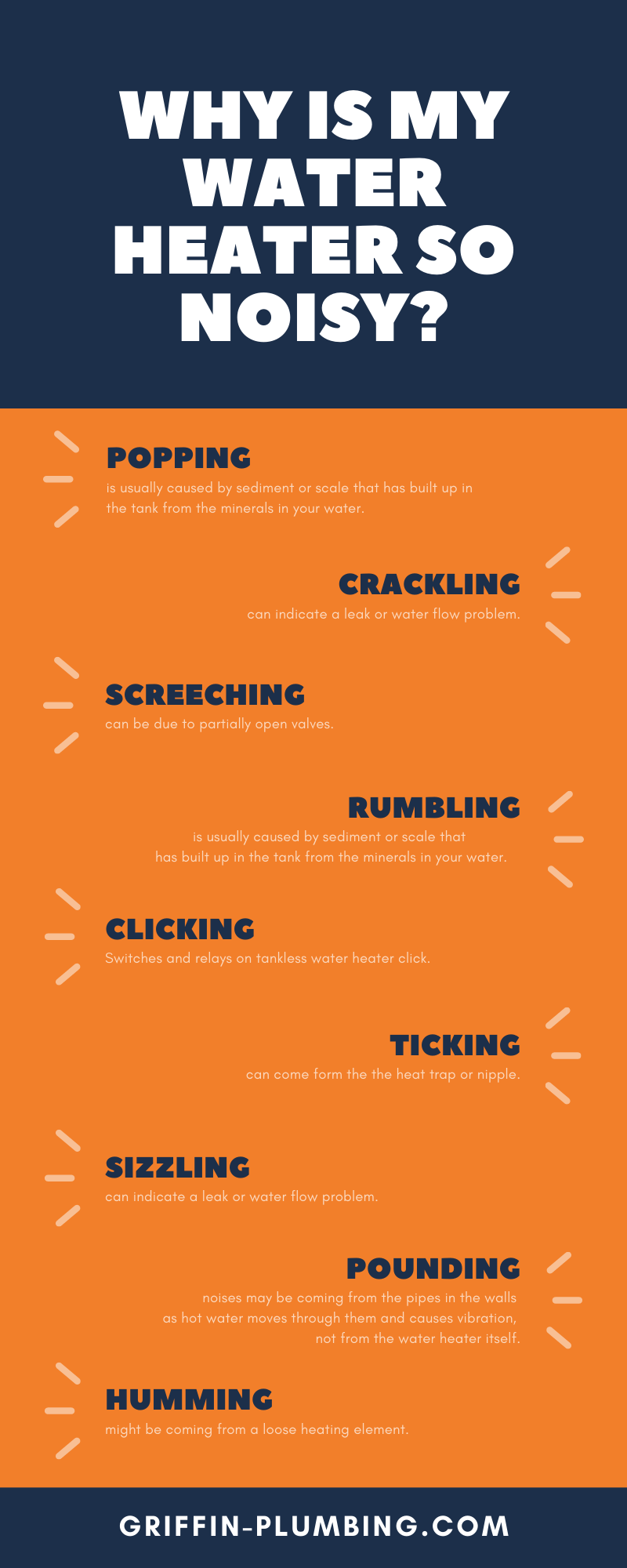
Water heaters can make different noises during their operation. These sounds often signal normal activity or point to potential problems. Understanding these noises helps you decide if the heater needs attention. Below are some common noises from water heaters and what they might mean.
Rumbling And Popping Sounds
Rumbling and popping sounds come from sediment build-up inside the tank. As water heats, the sediment moves and traps steam bubbles. These bubbles burst, causing the popping noise. This issue reduces heating efficiency and can damage the tank over time.
Hissing And Whistling
Hissing or whistling noises occur when water leaks or steam escapes. A small leak around valves or pipes causes this sound. It may also happen if the pressure relief valve activates. Ignoring these noises can lead to bigger leaks or safety risks.
Knocking Or Banging
Knocking or banging sounds appear when water flow is uneven inside the heater. This can happen due to water hammer or sudden changes in water pressure. These noises may stress the pipes and fittings, causing damage if not fixed.
Squealing Or Screeching
Squealing or screeching sounds usually come from the pump or valves. Worn-out parts or mineral build-up cause friction, leading to these noises. Early repair can prevent costly damage and keep the heater running smoothly.
Credit: www.benjaminfranklinplumbing.com
Reasons Behind Strange Noises
Strange noises from a water heater can be worrying. These sounds often signal problems inside the unit. Understanding the reasons behind the noises helps in fixing the issue quickly. Some causes are simple, while others may need professional help.
Sediment Buildup
Minerals in water settle at the bottom of the tank. This buildup forms a hard layer called sediment. When the heater warms water, sediment causes popping or rumbling sounds. Sediment also lowers heating efficiency and can damage the tank.
Loose Heating Elements
The heating elements may become loose over time. Loose parts vibrate and create clicking or buzzing noises. Tightening the elements can stop the noise. Loose elements also reduce the heater’s performance.
Water Pressure Issues
High or fluctuating water pressure causes strange sounds. Pressure can make pipes shake and rattle. Checking pressure levels and adjusting valves can reduce noise. Proper pressure also protects the plumbing system.
Faulty Thermostat
A broken thermostat causes the heater to turn on and off too often. This cycling leads to clicking or banging sounds. Replacing the thermostat fixes the problem and keeps water temperature steady.
Expansion And Contraction
Heating metal parts expand and cool parts contract. This process creates ticking or popping noises. These sounds are normal but can be loud. Insulating pipes and parts can reduce the noise level.
Simple Fixes For Noisy Water Heaters
Noisy water heaters can be annoying. Strange sounds may mean the heater needs care. Many simple fixes can stop the noise. These fixes often save money and time. Try these easy steps to quiet your water heater.
Flushing The Tank
Mineral buildup inside the tank causes popping sounds. Flushing removes this buildup. Turn off the heater and water supply first. Attach a hose to the drain valve. Drain the tank until water runs clear. Flush with fresh water before refilling. This keeps the heater clean and quiet.
Tightening Components
Loose parts often rattle during heating. Check bolts and screws on the heater. Use a wrench or screwdriver to tighten them. Pay close attention to the heating element cover. Tight connections reduce vibration noise effectively.
Adjusting Water Pressure
High water pressure causes banging noises. Test pressure with a gauge near the heater. Ideal pressure is usually below 60 psi. Lower pressure by adjusting the main valve. Balanced pressure protects the heater and stops noise.
Replacing The Thermostat
A faulty thermostat can cause irregular sounds. Old thermostats may overheat or click frequently. Turn off power to the heater first. Remove the cover and disconnect wires carefully. Replace with a new thermostat of the same type. This fix improves heater function and quiets noises.
Insulating Pipes
Water pipes can amplify heater noises. Wrap pipes with foam insulation sleeves. Insulation absorbs sound and reduces vibration. Secure sleeves with tape or zip ties. Insulated pipes make the entire system quieter.
Credit: site2max.ru
Preventing Future Noise Problems
Strange noises from a water heater can be frustrating. These sounds often signal a problem that needs attention. Preventing noise issues saves money and keeps the heater working well. Small actions today can stop big problems tomorrow. Follow simple steps to keep your water heater quiet and efficient.
Regular Maintenance Schedule
Set a routine to check your water heater. Flush the tank yearly to remove sediment. Sediment buildup causes popping or rumbling sounds. Inspect the anode rod every year. Replace it if it is worn out. Regular maintenance keeps parts working well and reduces noise.
Water Softening Options
Hard water causes more sediment in the tank. Sediment leads to noise and damage. Use a water softener to reduce hardness. Soft water protects the heater and extends its life. This step lowers the chance of noisy buildup inside the tank.
Professional Inspections
Hire a plumber to inspect your heater yearly. Experts find small problems before they grow. They check heating elements, valves, and the tank condition. Early fixes stop noise and prevent costly repairs. Professionals give advice on keeping your heater quiet.
Upgrading Older Units
Old water heaters often make more noise. Parts wear out and sediment builds up. Consider replacing old units with new models. Modern heaters are quieter and more efficient. Upgrading reduces noise and saves energy costs. New units need less maintenance and last longer.
Conclusion
Strange noises from your water heater should not be ignored. They often signal a problem that needs fixing. Sediment buildup or loose parts might cause the sounds. Regular maintenance can keep your heater running smoothly. Acting quickly helps avoid bigger repairs and saves money.
Stay alert to changes in noise or performance. Keep your home safe and your water hot. Simple checks can prevent costly damage later. Don’t let weird sounds go unnoticed. Take care of your water heater today.