
Is your water heater acting up, leaving you with cold showers and frustration? One common culprit could be the gas valve.
Knowing how to check the gas valve on your water heater can save you time, money, and even prevent safety hazards. In this guide, you’ll learn simple steps to inspect your gas valve quickly and confidently—no special tools or expertise needed.
Keep reading to ensure your water heater runs smoothly and your home stays safe.

Credit: waterheatertimer.org
Signs Of A Faulty Gas Valve
Recognizing the signs of a faulty gas valve in your water heater is important. The gas valve controls the flow of gas to the burner. If it malfunctions, your water heater may stop working properly. Early detection can prevent bigger problems and keep your home safe.
Common Symptoms
The water heater won’t heat water or heats it unevenly. You might hear strange noises from the unit. The pilot light may keep going out or fail to light. You could smell gas near the heater, which is a serious warning. The burner might not ignite at all. These symptoms suggest the gas valve might be faulty.
Safety Risks
A broken gas valve can cause gas leaks. Gas leaks can lead to fires or explosions. Carbon monoxide may build up inside your home. This gas is colorless and odorless but very dangerous. Faulty valves can cause incomplete burning of gas. This situation creates toxic fumes that harm your health. It is critical to address valve problems quickly to avoid hazards.
Credit: www.uswhpro.com
Tools Needed For Inspection
Before checking the gas valve on your water heater, gather the right tools. Having the proper tools makes the inspection safe and easy. You can avoid mistakes and spot problems faster.
Use tools that are simple and easy to handle. You do not need fancy or expensive equipment. Basic tools and safety gear are enough for a good check.
Basic Tools
A flashlight helps you see inside dark spaces. A screwdriver is necessary for removing panels or covers. A wrench can loosen or tighten gas connections. You might also need a gas leak detector spray. This spray shows leaks by forming bubbles on the valve. A small mirror helps to see hard-to-reach spots.
Safety Gear
Wear safety goggles to protect your eyes from dust or sparks. Gloves protect your hands from sharp edges and hot surfaces. Use a face mask if you work in a dusty or poorly ventilated area. Always check that the area is well-ventilated to avoid gas buildup. Safety first keeps you safe and prevents accidents.
Locating The Gas Valve
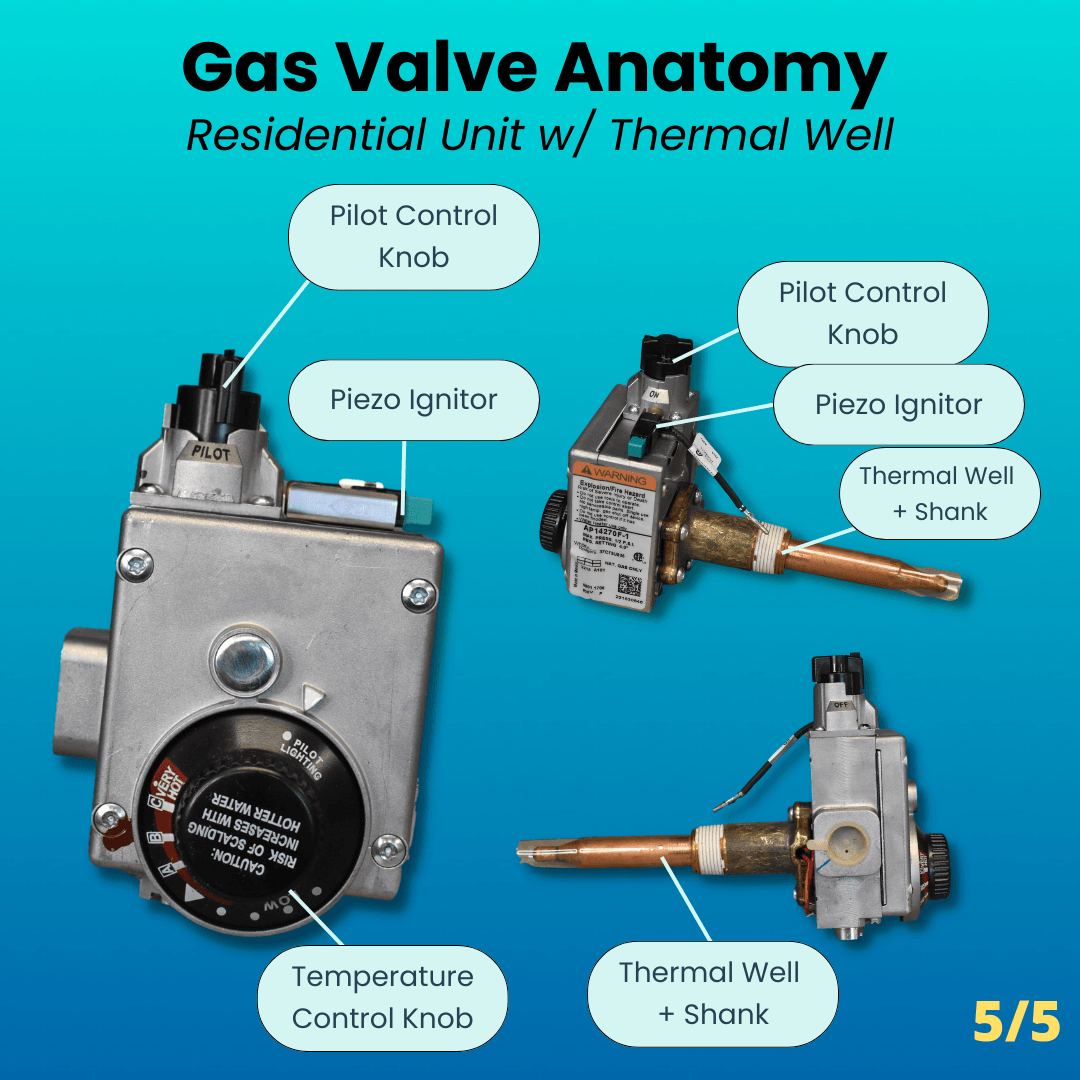
Locating the gas valve on your water heater is the first step in checking it safely. This valve controls the gas flow that heats your water. Knowing its exact position helps you turn it off quickly during maintenance or emergencies. The gas valve is usually easy to find if you know where to look.
Typical Valve Placement
The gas valve is often found near the bottom of the water heater. It connects to the gas supply line. You will see a small knob or lever on the valve. This knob turns the gas on or off. Sometimes, the valve is behind a removable panel on the heater. Look for a metal pipe leading into the heater’s base. The valve will be attached to this pipe.
Access Tips
Clear the area around your water heater for better access. Remove any objects or debris blocking your view. Use a flashlight if the space is dark. Avoid touching other parts to prevent damage. If the valve is behind a panel, gently remove the screws. Keep the screws safe for reassembly. Stand to the side when turning the valve to stay safe. Knowing these tips makes checking the valve easier and safer.
Step-by-step Valve Check
Checking the gas valve on your water heater is a simple but important task. It helps keep your home safe and your heater working well. Follow these easy steps to inspect the valve carefully. Each step guides you through the process clearly and safely.
Turning Off The Gas
Start by locating the gas shut-off valve near the water heater. Turn the valve handle clockwise until it stops. This cuts off the gas supply to the heater. Ensure no gas smell is present before moving on. Safety first.
Inspecting The Valve
Look closely at the gas valve for any signs of damage or rust. Check if the valve handle moves smoothly. Make sure the valve is not stuck or loose. Clean away any dirt or debris around the valve. A clean valve works better and lasts longer.
Testing For Leaks
Mix a small amount of soap and water in a spray bottle. Spray the solution on the valve and nearby gas connections. Watch carefully for bubbles forming. Bubbles mean a gas leak is present. If you see bubbles, do not light the heater. Call a professional for help immediately.
Troubleshooting Common Issues
Troubleshooting gas valve issues on your water heater helps keep it safe and working well. Gas valves control the flow of gas to the heater. Problems with these valves can stop your heater from working or cause safety risks. This guide covers common issues and simple steps to check and fix them.
Valve Not Opening
A gas valve that does not open stops gas from reaching the burner. Check if the valve handle is turned fully to the “on” position. Dust or dirt can block the valve, so clean around it gently. If it still won’t open, the valve may be faulty and need replacement by a professional.
Gas Smell Detected
Smelling gas near the water heater is dangerous. First, turn off the gas supply immediately. Ventilate the area by opening windows and doors. Do not light any flames or create sparks. Call a qualified technician to inspect and repair the leak. Never try to fix gas leaks yourself.
Pilot Light Problems
The pilot light ignites the gas burner. If it won’t stay lit, check the gas valve is open. Clean the pilot light opening with a soft brush to remove dirt. A faulty thermocouple may cause the light to go out. A technician can replace this small sensor safely.
When To Call A Professional
Checking the gas valve on your water heater is important for safety and efficiency. Some problems are simple and easy to fix. Others need special tools and skills. Knowing when to call a professional can save you time and keep you safe.
Complex Repairs
Gas valves can have many parts inside. Fixing or replacing these parts can be tricky. Problems with the gas valve often need special tools. A professional has the right tools and training. They can fix the issue without causing more damage.
Trying complex repairs yourself can lead to bigger problems. Incorrect handling may cause gas leaks or fire risks. Calling a professional reduces the chance of errors. They will find the root problem and fix it properly.
Safety Concerns
Gas valves handle flammable gas. Any mistake can be dangerous. If you smell gas or notice a strong odor, leave the area. Do not try to fix it yourself. Call a professional immediately.
Professionals know how to detect gas leaks safely. They use special equipment to check the valve and connections. Safety is the top priority with gas appliances. A trained technician protects you and your home from hazards.
Maintaining Your Gas Valve
Maintaining your gas valve on a water heater is key for safety and performance. A well-kept valve helps prevent leaks and ensures proper gas flow. Regular care extends the life of your water heater and avoids costly repairs.
Regular Inspections
Check the gas valve every few months. Look for rust, cracks, or any signs of damage. Make sure the valve handle moves smoothly. Watch for gas smells near the valve. If you smell gas, shut off the valve immediately and call a professional.
Cleaning Tips
Turn off the gas supply before cleaning. Use a soft cloth to wipe dust and dirt from the valve. Avoid using water or harsh chemicals. Clean the area around the valve to keep debris away. Keep the valve dry to stop rust from forming.
:max_bytes(150000):strip_icc()/reasons-gas-water-heater-not-working-5212987-hero-fe6b82a59053421c88b7d13ea311d3c5.jpg)
Credit: www.thespruce.com
Frequently Asked Questions
How Do I Locate The Gas Valve On My Water Heater?
The gas valve is usually found near the bottom of the water heater. Look for a knob or lever connected to the gas line. It controls the gas flow to the burner and is often labeled for easy identification.
What Are The Signs Of A Faulty Gas Valve?
Signs include a pilot light that won’t stay lit, no hot water, or unusual noises. If the valve is damaged or leaking, it can cause safety hazards and should be checked immediately by a professional.
How Can I Safely Test The Gas Valve On A Water Heater?
Turn off the gas supply before testing. Use a gas leak detector or soapy water around the valve area. If bubbles form, there’s a leak. Never attempt repairs unless you are trained; call a professional for safety.
Can I Adjust The Gas Valve Pressure Myself?
Adjusting gas valve pressure requires specialized tools and knowledge. Incorrect adjustments can cause inefficient heating or hazards. It’s best to hire a certified technician to ensure your water heater operates safely and efficiently.
Conclusion
Checking the gas valve on your water heater is important for safety. Start by turning off the gas supply. Look for any signs of damage or leaks around the valve. Make sure the valve moves smoothly without resistance. If anything seems wrong, call a professional for help.
Regular checks keep your water heater working well. Stay safe and avoid costly repairs by inspecting the gas valve often. Simple steps can prevent big problems. Keep your home warm and worry-free.