Choosing the right water heater size can feel confusing and overwhelming. You might wonder, “Will this heater meet my family’s needs?” or “What happens if I pick one that’s too big or too small?” Getting it right means you’ll enjoy hot water when you want it, without wasting energy or money.
You’ll discover clear, simple comparisons that make it easy to find the perfect water heater size for your home. Keep reading, and by the end, you’ll feel confident making the best choice for your comfort and budget.
Types Of Water Heaters
Choosing the right water heater means understanding the types available. Each type works differently and suits different needs. Knowing these options helps pick the best size and style for your home. Below are the main types of water heaters you can choose from.
Tank Water Heaters
Tank water heaters store hot water in a large tank. The tank keeps water hot all the time. These heaters are common and usually cost less upfront. They come in many sizes to fit small or large families. The tank size affects how much hot water is ready to use.
Tankless Water Heaters
Tankless water heaters heat water only when needed. They do not store hot water. This saves energy and provides endless hot water. Tankless models are smaller and take less space. They work well for homes with less water use or where space is tight.
Heat Pump Water Heaters
Heat pump water heaters move heat from the air to warm water. They use less energy than traditional heaters. These heaters need space with warm air to work best. Heat pump models can save money on energy bills over time.
Solar Water Heaters
Solar water heaters use sunlight to heat water. They require solar panels and a storage tank. These systems reduce electricity costs and are eco-friendly. Solar heaters work best in sunny areas and need an initial investment.
Factors Influencing Water Heater Size
Choosing the right water heater size depends on several key factors. These factors help ensure enough hot water is available without wasting energy. Understanding them guides you to a suitable water heater for your home.
Household Size
The number of people in your home affects water heater size. More people usually mean more hot water use. A larger household needs a bigger water heater to keep up with demand.
For a small family, a smaller unit may be enough. Larger families require bigger tanks or higher capacity models.
Daily Hot Water Usage
How much hot water your household uses daily is important. Consider activities like showers, laundry, and dishwashing. Each uses different amounts of hot water.
Calculate your daily hot water needs to find the right size. This helps avoid running out of hot water during busy times.
Fixture Flow Rates
Each fixture has a flow rate that affects water heater size. Flow rate means how much water flows per minute. Higher flow rates need more hot water supply.
Check the flow rates of showers, faucets, and appliances. Add them up to understand peak water use.
Climate Impact
Where you live changes your water heater needs. Colder climates require more energy to heat water. This may mean a larger or more powerful heater.
Warmer climates usually need less hot water heating. Adjust your water heater size based on local weather conditions.
Sizing Methods For Water Heaters
Choosing the right water heater size is key for comfort and savings. Different methods help find the best fit. These methods look at how much hot water you need at once. Also, they check how fast the heater can warm water. Understanding these methods helps pick the right water heater for your home.
First Hour Rating (fhr)
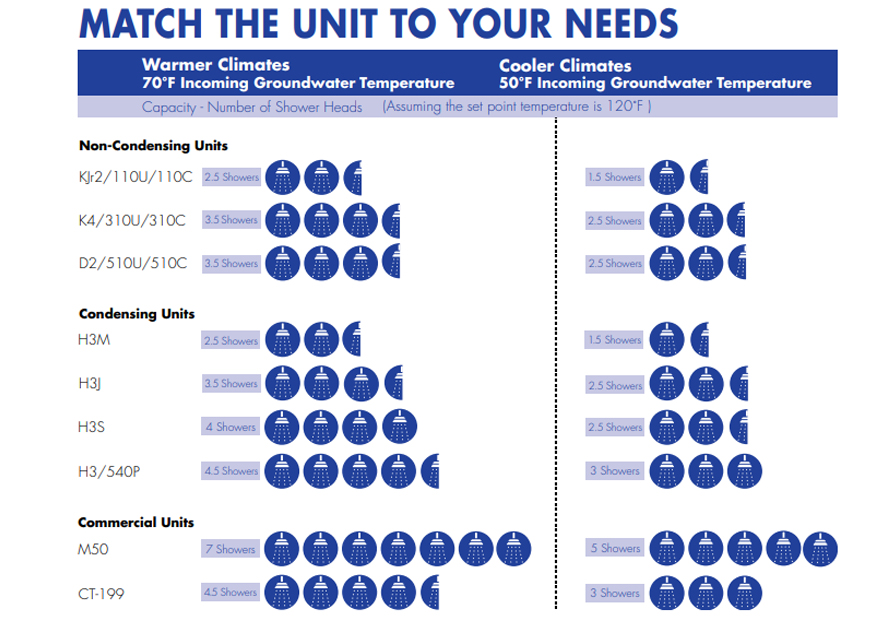
First Hour Rating shows how many gallons of hot water a heater can supply in one hour. It measures the tank’s capacity and how fast it heats. A higher FHR means more hot water ready quickly. This rating is useful for tank water heaters. It helps match the heater size to your household’s peak water use.
Gallons Per Minute (gpm) For Tankless
Gallons Per Minute measures how much hot water flows from a tankless heater. It tells how many gallons the heater can warm each minute. Tankless heaters heat water only when needed. GPM helps choose a heater that can supply enough hot water at once. Check the flow rate of your fixtures to find the right GPM.
Recovery Rate Considerations
Recovery rate shows how fast a water heater warms cold water after use. A faster recovery means the heater refills hot water quickly. This matters for tank heaters with limited capacity. It affects how soon you get hot water again. Consider recovery rate to avoid running out of hot water during busy times.

Credit: tankthetank.com
Comparing Water Heater Capacities
Choosing the right water heater size matters for comfort and energy savings. Water heaters come in various capacities to suit different needs. Understanding these sizes helps pick the best fit for your home or business.
Small Vs. Medium Vs. Large Tanks
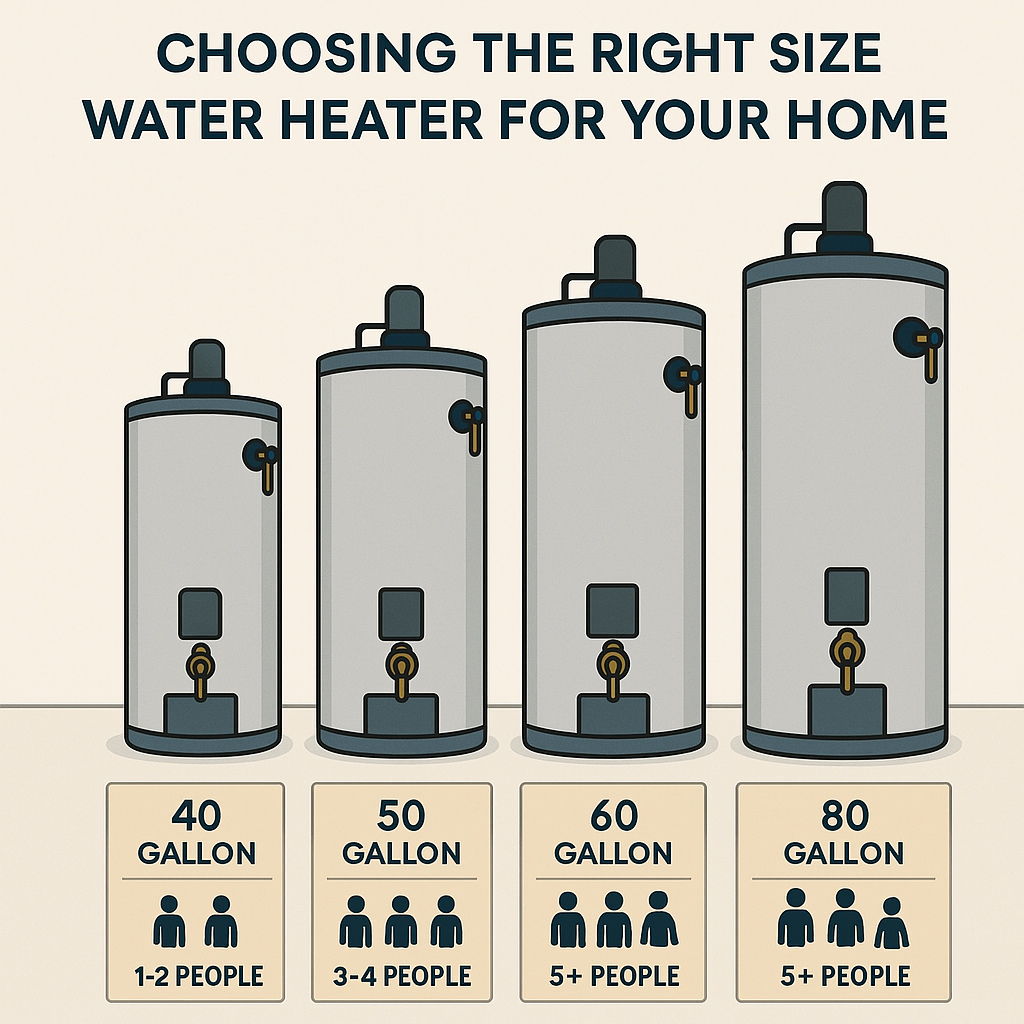
Small tanks usually hold 20 to 30 gallons. They work well for one or two people. Medium tanks range from 40 to 50 gallons. These fit small families or moderate use. Large tanks hold 60 gallons or more. Ideal for bigger households or heavy water use.
Each size offers different recovery times. Small tanks heat water quickly but hold less. Large tanks store more water but take longer to refill. Choose based on how many people use hot water daily.
Matching Tank Size To Usage
Consider daily hot water needs before buying. A single person needs less than a family of four. Calculate peak hour demand, the most hot water used at once. This helps avoid running out of hot water. For example, showers and laundry use a lot. Plan tank size to cover these needs without waste.
Tankless Capacity Options
Tankless water heaters do not store water. They heat water on demand. Their capacity is measured in gallons per minute (GPM). Smaller units provide 2-5 GPM, good for one bathroom. Larger units can supply multiple outlets. They save space and energy but may cost more upfront. Choose based on how much hot water flows at once.
Energy Efficiency And Size
Choosing the right water heater size affects energy use and costs. An efficient water heater saves money and reduces waste. Understanding how size impacts energy helps pick the best option. Efficiency depends on matching size to your household needs. Too large or too small can increase energy use.
Impact Of Size On Energy Consumption
Larger water heaters store more hot water than smaller ones. They use more energy to keep water hot all day. Small water heaters heat water faster but run out quickly. Both too big and too small models waste energy differently. The right size cuts energy use and keeps water ready.
Choosing Efficient Models
Look for water heaters with good energy ratings. High-efficiency models use less fuel or electricity. Tankless water heaters heat water only when needed. Heat pump models reuse heat to save energy. Match efficiency features with the correct size for best results.
Energy Savings Tips
Lower your water heater temperature to 120°F. Insulate the tank and hot water pipes well. Fix leaks to prevent water and energy loss. Use water-saving fixtures to reduce hot water use. Regular maintenance keeps your heater working efficiently.
Credit: www.takagi.com
Installation And Space Requirements
Choosing the right water heater size is not only about capacity. Installation and space requirements also matter a lot. These factors affect how easily the water heater fits and works in your home. Small spaces need careful planning. Proper ventilation and smart placement keep the system safe and efficient.
Space Constraints
Water heaters come in different sizes. Larger tanks take more room. Measure your space before buying. Check for enough clearance around the unit. Some models need extra space for maintenance. Tight spaces may limit your options. Tankless models often fit better in small areas.
Ventilation Needs
Water heaters, especially gas types, need good airflow. Proper ventilation prevents dangerous gases from building up. Vent pipes must lead outside your home. Electric heaters need less ventilation but still require air circulation. Follow local codes and manufacturer instructions for safety.
Placement Considerations
Choose a spot close to water use points. This reduces heat loss and waiting time. Avoid placing heaters in freezing areas or where they can get wet. Basements, utility rooms, or closets are common spots. Make sure the location allows easy access for repairs.
Cost Factors In Water Heater Selection
Choosing the right water heater involves more than just size and type. Cost plays a big role in making a good choice. Understanding different cost factors helps you pick a model that fits your budget and needs. These costs include the price of buying the unit, the money spent to run it, and the costs to keep it working well.
Initial Purchase Costs
The first cost is the price of the water heater itself. Tank water heaters usually cost less than tankless models. Larger units or those with special features often have higher prices. Installation fees can add to the total cost. Some types need special setups, which can be more expensive.
Operating Expenses
Operating costs include the energy used to heat water. Electric heaters may cost more than gas ones, depending on energy prices. Tankless heaters save energy by heating water on demand. Bigger water heaters use more energy to keep water hot. Efficiency ratings help estimate running costs.
Maintenance Costs
Regular care keeps water heaters working well. Tank heaters need flushing to remove mineral buildup. Tankless heaters require filter cleaning and occasional servicing. Repairs can be costly if ignored. Choosing a model with easy maintenance saves money over time.
Credit: site2max.ru
Common Sizing Mistakes To Avoid
Choosing the right water heater size is very important. Many people make common mistakes that cause problems later. These mistakes can lead to wasted money, poor performance, and discomfort. Understanding these errors helps you pick the correct size for your needs.
Oversizing Issues
Buying a water heater that is too large wastes energy and money. Large tanks heat more water than needed. This extra heating raises utility bills. Oversized heaters also take up more space. They may cause water to stay hot too long. This can lead to faster wear and tear.
Undersizing Risks
A small water heater does not supply enough hot water. This causes running out of hot water quickly. It leads to cold showers and frustration. Undersized heaters work harder and break down faster. They lower comfort and increase repair costs. Choosing too small size means poor home comfort.
Ignoring Usage Patterns
Water use changes by household size and habits. Ignoring these patterns causes wrong size choice. Large families need bigger tanks or more power. Small households need less capacity. Consider peak times like mornings or evenings. Matching size with use avoids waste and discomfort. Think about daily hot water needs clearly.
Tips For Choosing The Right Water Heater
Choosing the right water heater is important for comfort and saving energy. A water heater that is too small will not meet your needs. A large one wastes money and energy. Knowing how to pick the right size helps you avoid these problems. Here are some simple tips to guide your choice.
Assessing Your Needs
Think about how many people live in your home. More people mean more hot water use. Check how many bathrooms and appliances use hot water. This affects the size you need. Consider your daily water use for showers, washing, and cooking. Write down your average use to find the right capacity.
Consulting Professionals
Talk to a plumber or a heating expert. They know about different water heaters and sizes. They can measure your home’s water needs. Professionals also check your home’s water pressure and pipe size. This helps choose a heater that fits your system. Their advice saves time and prevents mistakes.
Future Proofing Your Choice
Think about any future changes in your home. A growing family needs more hot water. You may add bathrooms or appliances later. Choose a water heater that can handle extra demand. This avoids buying a new heater soon. Future proofing saves money and hassle.
Frequently Asked Questions
What Size Water Heater Do I Need For My Home?
Choosing the right size depends on your household size and water usage. For 1-2 people, a 30-40 gallon heater works. For 3-4 people, 40-50 gallons is ideal. Larger families may need 50-80 gallons. Always consider peak water demand for accuracy.
How Does Water Heater Size Affect Energy Efficiency?
A properly sized water heater uses less energy. Oversized heaters heat more water than needed, wasting energy. Undersized heaters run continuously, increasing energy consumption. Choosing the correct size balances energy use and comfort, reducing utility bills.
Can I Use A Smaller Water Heater For My Needs?
Using a smaller heater may save space but risks running out of hot water. It can cause inconvenience during peak usage times. If demand exceeds capacity, consider a larger unit or multiple heaters for consistent hot water supply.
What Factors Influence Water Heater Size Selection?
Factors include household size, peak usage times, and fixture flow rates. Consider simultaneous water use in showers, dishwashers, and laundry. Climate and recovery rate of the heater also impact size choice. Proper assessment ensures efficient performance.
Conclusion
Choosing the right water heater size saves energy and money. Small tanks suit single people or couples well. Larger families need bigger tanks for enough hot water. Always check your daily water use before buying. The right size means no waiting or running out.
Comfort and efficiency go hand in hand. Pick a size that fits your home and needs. This helps you enjoy warm water anytime without waste. Simple steps lead to better water heater choices.