
Are you tired of high energy bills and running out of hot water when you need it most? Your water heater timer settings could be the simple fix you’ve been looking for.
By adjusting these settings just right, you can save money, use energy smarter, and always enjoy warm water exactly when you want it. You’ll discover easy tips to set your water heater timer for maximum comfort and efficiency. Keep reading to find out how a small change can make a big difference in your daily routine and your wallet.

Credit: comunicar.org
Benefits Of Water Heater Timers
Water heater timers offer several benefits that help improve home comfort and reduce costs. They control when the water heater turns on and off. This control helps save energy and money. Timers also protect the water heater from working too hard. They keep the appliance running smoothly for a long time.
Energy Savings
Water heater timers stop the heater from running all day. They turn it on only during needed hours. This reduces wasted energy. Less energy use means less impact on the environment. The timer helps you use power wisely and avoid heating water when not necessary.
Lower Utility Bills
Using a water heater timer lowers your monthly bills. Heating water only during set times cuts electricity or gas use. This drop in energy consumption leads to noticeable savings. Over time, these small savings add up. You pay less for utilities without losing hot water comfort.
Extended Appliance Lifespan
Timers reduce the time your water heater runs. Less running means less wear and tear. This helps prevent early breakdowns and costly repairs. A water heater that works less often lasts longer. You get better value from your appliance and avoid frequent replacements.
Choosing The Right Timer
Choosing the right timer for your water heater helps save energy and money. It controls when the heater runs, avoiding waste. The right timer fits your water heater type and your daily routine. Understanding the types and options makes the choice easier.
Mechanical Vs Digital Timers
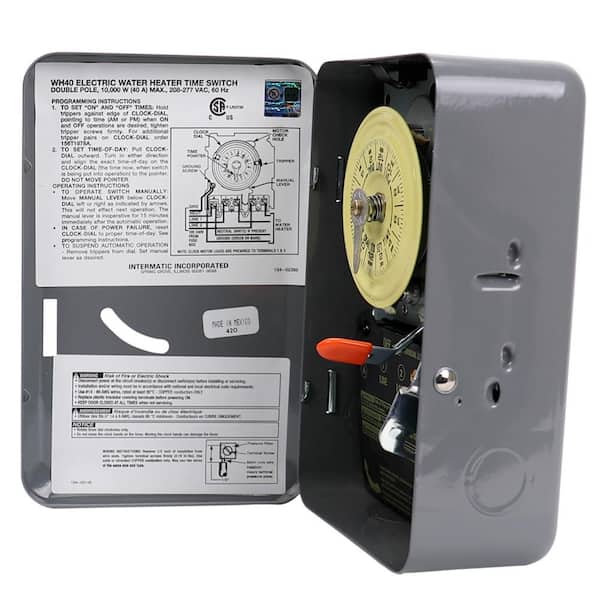
Mechanical timers are simple and affordable. They use dials to set on and off times. They work well for basic needs and fixed schedules. Digital timers offer more precision and flexibility. You can set multiple time periods each day. Digital models often have a clear display and easy programming.
Compatibility With Water Heaters
Not all timers work with every water heater. Check the timer’s voltage and current rating. Match it to your water heater’s power requirements. Some heaters need special timers designed for electric or gas models. Always read the product details before buying. Proper compatibility ensures safe and effective operation.
Smart Timer Options
Smart timers connect to Wi-Fi and allow remote control. Use your phone or voice assistant to change settings. These timers adapt to your habits and save more energy. They can track usage and send alerts. Smart timers suit tech-savvy users who want convenience and control.
Optimal Timer Settings
Setting your water heater timer correctly saves energy and cuts costs. The right timer settings match your water use and electricity rates. This way, your heater runs only when needed. It avoids wasting power during expensive hours. Adjusting these settings helps keep hot water ready without extra bills.
Peak And Off-peak Hours
Electricity costs more during peak hours. These are times when many people use power. Off-peak hours have lower rates. Set your water heater to run mostly in off-peak times. This saves money and reduces strain on the power grid. Check your local utility schedule to know these hours.
Daily Usage Patterns
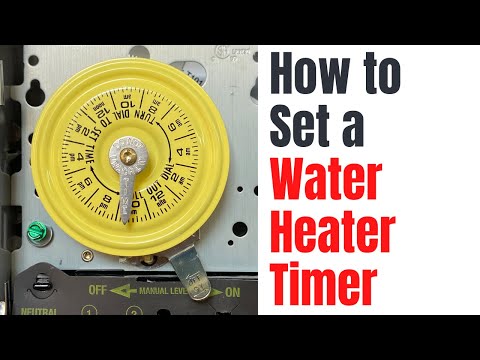
Think about when your household uses hot water most. Morning showers and evening baths need hot water ready. Set the timer to heat water before these times. Turn off the heater during midday or late night when water use is low. This avoids heating water that is not used.
Seasonal Adjustments
Water needs change with seasons. In winter, heat water more often due to colder temperatures. Summer requires less heating because water heats naturally. Change timer settings to fit each season. This keeps energy use efficient all year long.
Credit: www.youtube.com
Installation Tips
Setting up a water heater timer correctly can save energy and reduce bills. Proper installation ensures the timer works well and stays safe. Follow these tips to install your water heater timer smoothly and avoid problems.
Safety Precautions
Turn off the power before starting any work. Use insulated tools to avoid shocks. Check your home’s electrical system for compatibility. Keep the area dry and clean to prevent accidents. Wear protective gloves and glasses for safety. Follow the timer’s manual instructions carefully.
Diy Vs Professional Help
Simple timers may be installed by skilled homeowners. Complex wiring or old systems need a professional’s touch. Professionals ensure correct setup and meet safety codes. Hiring an expert reduces risks and future issues. Weigh your skills and comfort level before deciding. Remember, mistakes can be costly and dangerous.
Common Installation Mistakes
Ignoring power shutoff leads to injury or damage. Using wrong wires or connections breaks the timer. Poor placement causes hard-to-read displays or damage. Not following the manual voids warranties and risks safety. Forgetting to test the timer wastes time and money. Double-check every step to avoid these errors.
Troubleshooting Timer Issues
Troubleshooting timer issues is important for keeping your water heater working well. Timers help save energy by turning the heater on and off at set times. Sometimes, the timer may not work as expected. This section explains common problems and how to fix them.
Timer Not Turning On Or Off
If your timer does not turn the water heater on or off, check the settings first. Make sure the timer is set to the correct time and mode. Look for any stuck buttons or broken switches. Resetting the timer can often solve this problem. If the issue continues, the timer may be faulty and need replacement.
Inaccurate Time Settings
When the timer shows the wrong time, it cannot control the heater properly. Check the clock setting and adjust it to the correct time zone. Some timers need manual time changes after power outages. Battery-powered timers require fresh batteries to keep accurate time. Confirm the timer’s internal clock matches your current local time.
Power Supply Problems
Power issues can cause the timer to stop working. Check if the timer is plugged in securely or wired correctly. Inspect fuses and circuit breakers for any tripped switches. Voltage drops or surges may damage the timer. Use a voltage tester to verify steady power supply. Fixing electrical problems can restore the timer’s function.
Credit: needone.org.uk
Frequently Asked Questions
What Is The Best Time To Set A Water Heater Timer?
Set the timer during off-peak hours to save energy and reduce costs. Early mornings or late nights work best.
How Does A Water Heater Timer Save Energy?
The timer limits heating to specific periods, preventing unnecessary heating. This reduces electricity use and lowers bills effectively.
Can I Program A Water Heater Timer For Weekends?
Yes, many timers allow separate weekday and weekend settings. This customization ensures heating matches your actual usage patterns.
How Often Should I Adjust My Water Heater Timer?
Adjust the timer seasonally or when your schedule changes. This ensures optimal energy use and consistent hot water availability.
Conclusion
Setting your water heater timer saves energy and lowers bills. It helps heat water only when needed. This reduces waste and protects the environment. You can adjust settings based on your daily routine. Simple changes can bring big savings over time.
Try different times to find what works best. Enjoy warm water without extra costs. Small steps make a big difference in your home.