Is your hot water heater doing its job, or is it time for a checkup? You rely on it every day, but sometimes it’s hard to tell if it’s working properly until you’re left with a cold shower.
Imagine starting your morning without warm water—frustrating, right? Knowing the signs of a failing heater can save you time, money, and discomfort. Keep reading to discover simple ways you can quickly tell if your hot water heater is working well or needs attention.
This guide will help you avoid unexpected surprises and keep your home running smoothly.
Signs Of A Working Heater
Knowing the signs of a working hot water heater helps avoid surprises. It saves time and money on repairs. Recognizing these signs lets you enjoy warm water every day without worry. Watch for key signals that show your heater runs well and efficiently.
Consistent Hot Water Flow
Hot water should come out steadily from your taps. No sudden drops or bursts in flow mean the heater works fine. A steady flow shows the system pumps water correctly. This keeps your showers and sinks comfortable and reliable.
Stable Water Temperature
The water temperature should stay constant during use. No sudden hot or cold changes mean the heater controls heat well. A stable temperature means the thermostat and heating elements work right. This keeps water comfortable and safe for daily tasks.
Normal Heating Time
Hot water should be ready in a reasonable time after turning on. If the heater takes too long, it may need attention. A good heater warms water quickly and efficiently. This saves energy and keeps your routine smooth and easy.

Credit: beaumont-personal-injury.com
Common Heater Problems
Common heater problems can stop your hot water heater from working well. These issues affect your daily routine and comfort. Knowing the signs helps you act fast and avoid big repairs.
No Hot Water
No hot water is the clearest sign of a heater problem. The heater might not be getting power or gas. A broken thermostat or heating element can also cause this. Check your circuit breaker or pilot light first.
Water Temperature Fluctuations
Water that changes from hot to cold is annoying. This problem may mean the thermostat is faulty. Sediment buildup inside the tank can also cause uneven heating. Fluctuations often signal the heater needs maintenance.
Strange Noises
Unusual sounds like popping or banging come from sediment buildup. These noises mean the heater is working harder than it should. Over time, it can damage the tank or parts. Listen carefully to catch problems early.
Leaks And Drips
Leaks around the heater mean trouble. Drips can come from loose connections or a broken tank. Water on the floor can cause damage to your home. Check pipes and valves to stop leaks before they worsen.
Testing The Heater
Testing the hot water heater helps find problems early. It ensures the heater works safely and efficiently. Some simple checks can show if the heater needs repair or replacement. Follow clear steps to test your water heater at home.
Checking The Power Supply
First, make sure the heater gets power. Check the circuit breaker to see if it is on. Look at the power switch near the heater. If the switch is off, turn it on and see if the heater starts. No power means no hot water.
Inspecting The Thermostat
The thermostat controls water temperature. Find the thermostat on the heater. Check the dial setting and adjust it if needed. The ideal temperature is around 120 degrees Fahrenheit. A wrong setting can cause cold water or overheating.
Flushing The Tank
Mineral deposits build up inside the tank. Flushing removes these deposits and improves heater function. Turn off the power and water supply first. Attach a hose to the drain valve and drain some water. Flush until water runs clear. This keeps the heater clean and efficient.
Using A Multimeter
A multimeter measures electrical current and voltage. Turn off power to the heater before testing. Set the multimeter to measure volts or ohms. Test the heating elements and thermostat connections. If readings are low or zero, parts may be faulty. This tool helps find electrical issues safely.
Maintenance Tips
Keeping your hot water heater in good shape is key to its performance. Regular maintenance stops problems before they start. It also helps your heater last longer and saves money on repairs. Follow these simple tips to keep your water heater working well.
Regular Flushing Schedule
Flush your water heater every six months. Flushing removes sediment buildup inside the tank. Sediment can cause damage and lower heating efficiency. Use a garden hose to drain the tank until clear water flows out. This keeps your heater clean and working smoothly.
Anode Rod Replacement
Check the anode rod once a year. The rod prevents rust inside the tank. Replace it if it is less than half an inch thick. A worn rod can lead to tank corrosion. Changing the rod protects your heater and extends its life.
Temperature Setting Adjustments
Set your water heater temperature to 120 degrees Fahrenheit. This is safe and energy efficient. Higher settings waste energy and can cause burns. Adjust the thermostat on the heater to keep the temperature steady and safe.
Professional Inspections
Have a pro inspect your water heater yearly. Experts spot issues you might miss. They check valves, pipes, and the heating element. Early detection prevents breakdowns and costly repairs. Schedule an inspection to keep your heater reliable.
When To Replace Your Heater
Knowing when to replace your hot water heater saves you from cold showers and big bills. Hot water heaters do not last forever. Over time, they lose efficiency and need replacement.
Watch for signs that your heater is failing. These signs help you decide if it is time for a new unit.
Age And Efficiency
Most hot water heaters last about 8 to 12 years. Older heaters use more energy and work less well. If your heater is over 10 years old, consider replacing it. New models heat water faster and use less energy.
Frequent Repairs
Fixing your heater often costs more than a new one. Frequent leaks, strange noises, or inconsistent hot water show problems. If you call a plumber several times a year, think about a replacement.
Rising Energy Bills
Higher energy bills can mean your heater is wasting power. An old or broken heater uses more electricity or gas. Watch your bills closely. If they go up without a reason, your heater might be to blame.
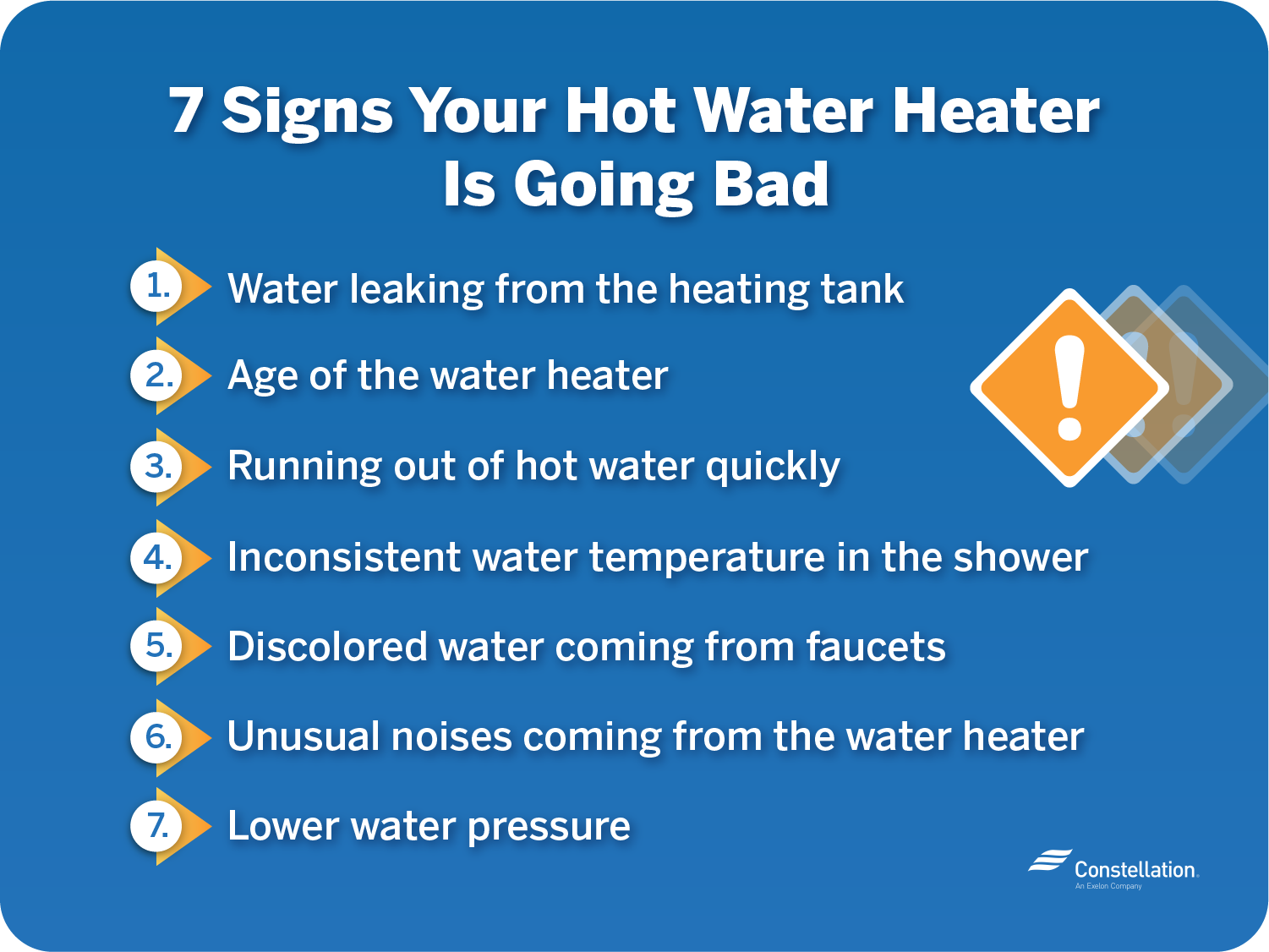
Credit: blog.constellation.com
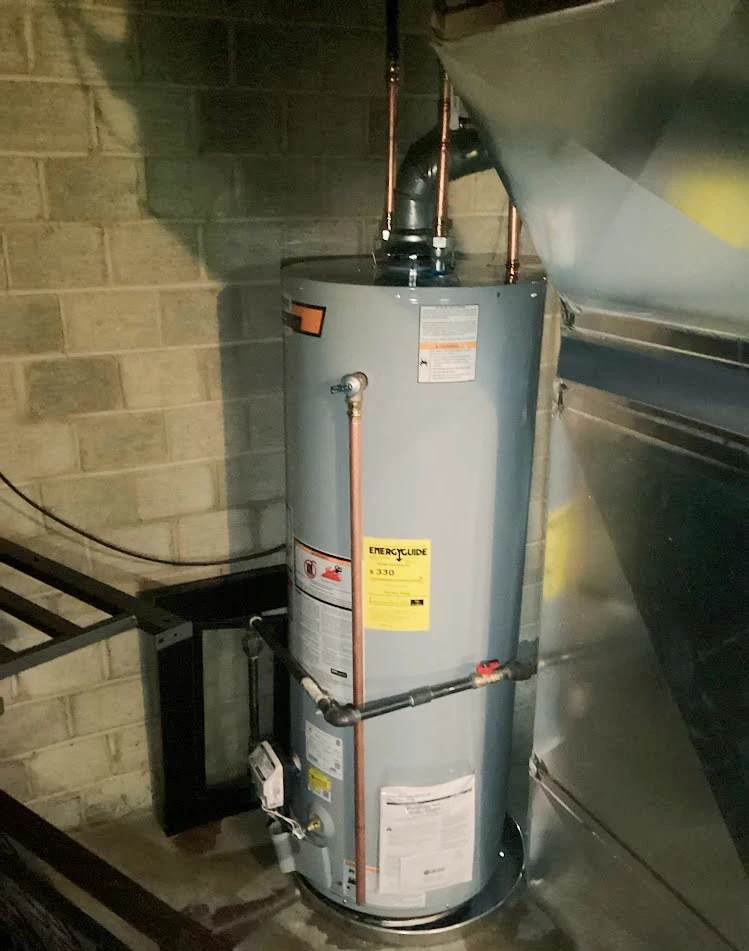
Credit: www.logan-inc.com
Conclusion
A hot water heater shows clear signs when it works well. Warm water, steady flow, and no strange noises are good indicators. Pay attention to these simple checks at home. Acting fast can save you time and money. Regular care keeps your heater running smoothly.
Don’t wait until cold showers surprise you. Stay aware, and your hot water heater will keep your home comfortable. Easy steps, big peace of mind.