
Are you tired of running out of hot water just when you need it most? A tankless gas water heater installation could be the game-changer your home needs.
Imagine having endless hot water on demand, saving space, and cutting down your energy bills—all at once. You’ll discover how this smart upgrade works, what to expect during installation, and why it might be the best choice for your home.
Keep reading to find out how you can enjoy comfort and efficiency like never before.
Benefits Of Tankless Gas Water Heaters
Tankless gas water heaters offer several benefits that make them a smart choice for homes. These units heat water only when needed, reducing waste. They also take up less space and last longer than traditional water heaters. Let’s explore the key advantages in detail.
Energy Savings
Tankless gas water heaters use gas only when hot water is needed. This means no energy is wasted heating and storing water all day. Homes can save up to 30% on energy bills. This efficient use of fuel helps reduce monthly costs and environmental impact.
Space Efficiency
These water heaters are compact and wall-mounted. They do not require a large storage tank. This frees up valuable space in closets, basements, or utility rooms. Small homes and apartments benefit greatly from this space-saving design.
Longevity And Durability
Tankless units last longer than traditional heaters. Their parts face less wear and tear since they do not store hot water. Many models have warranties of 15 to 20 years. This durability means fewer replacements and repairs over time.
Credit: www.icecreamfactoryny.com
Choosing The Right Unit
Choosing the right tankless gas water heater is important for your home. It affects comfort, energy use, and long-term savings. Picking the correct model means understanding your household needs and home setup. This guide helps you find the best unit for your space and budget.
Sizing Your Heater
Size matters with tankless water heaters. The unit must supply enough hot water for all your needs. Calculate the number of bathrooms and appliances using hot water at once. Consider peak usage times, like mornings or evenings. Choose a heater with the right flow rate, measured in gallons per minute (GPM). Too small, and water will run cold. Too big wastes energy and costs more.
Gas Supply Requirements
Tankless gas water heaters need a steady gas supply. Check your home’s gas line size and pressure. Some units require a larger gas pipe or higher pressure. Consult a professional to confirm your gas system can handle the new heater. Proper gas supply ensures safe operation and efficient heating. Avoid undersized gas lines to prevent performance problems.
Features To Consider
Modern tankless heaters come with useful features. Look for digital temperature controls for easy adjustment. Some models offer remote control or Wi-Fi connectivity. Safety features like flame failure detection and anti-scald protection are important. Energy-saving modes can lower your bills. Choose features that fit your lifestyle and boost comfort.
Preparation For Installation
Preparing for a tankless gas water heater installation is a key step. Proper preparation saves time and avoids problems during installation. It helps ensure the new system works well and lasts longer.
Start by understanding your current setup. Check the plumbing, ventilation, and tools you will need. This makes the process smoother and safer.
Assessing Existing Plumbing
Look at your current water pipes and connections. Make sure they are in good condition and fit the new heater. Check for leaks or corrosion that need fixing first. Measure pipe sizes to match the new unit. This helps avoid delays and extra costs.
Checking Ventilation Needs
Tankless gas heaters need proper ventilation for safety. Check your home’s vent system and space around the heater. Make sure air can flow freely to prevent gas buildup. Plan for vent installation or upgrades if needed. Good ventilation protects your family and home.
Gathering Tools And Materials
Collect all tools and materials before starting. You may need wrenches, pipe cutters, sealant, and vent pipes. Having everything ready prevents stopping mid-installation. Check the heater’s manual for specific items required. This step saves time and reduces stress.
Step-by-step Installation Process
Installing a tankless gas water heater involves several clear steps. Each step is important for safety and proper function. Follow this guide carefully to ensure a smooth installation.
Turning Off Utilities
First, turn off the main gas supply. Shut off the water supply to the heater. Also, switch off the power to avoid shocks.
Removing Old Water Heater
Drain the old water heater completely. Disconnect the gas line with care. Remove the water pipes connected to the unit. Take the old heater out safely.
Mounting The Tankless Unit
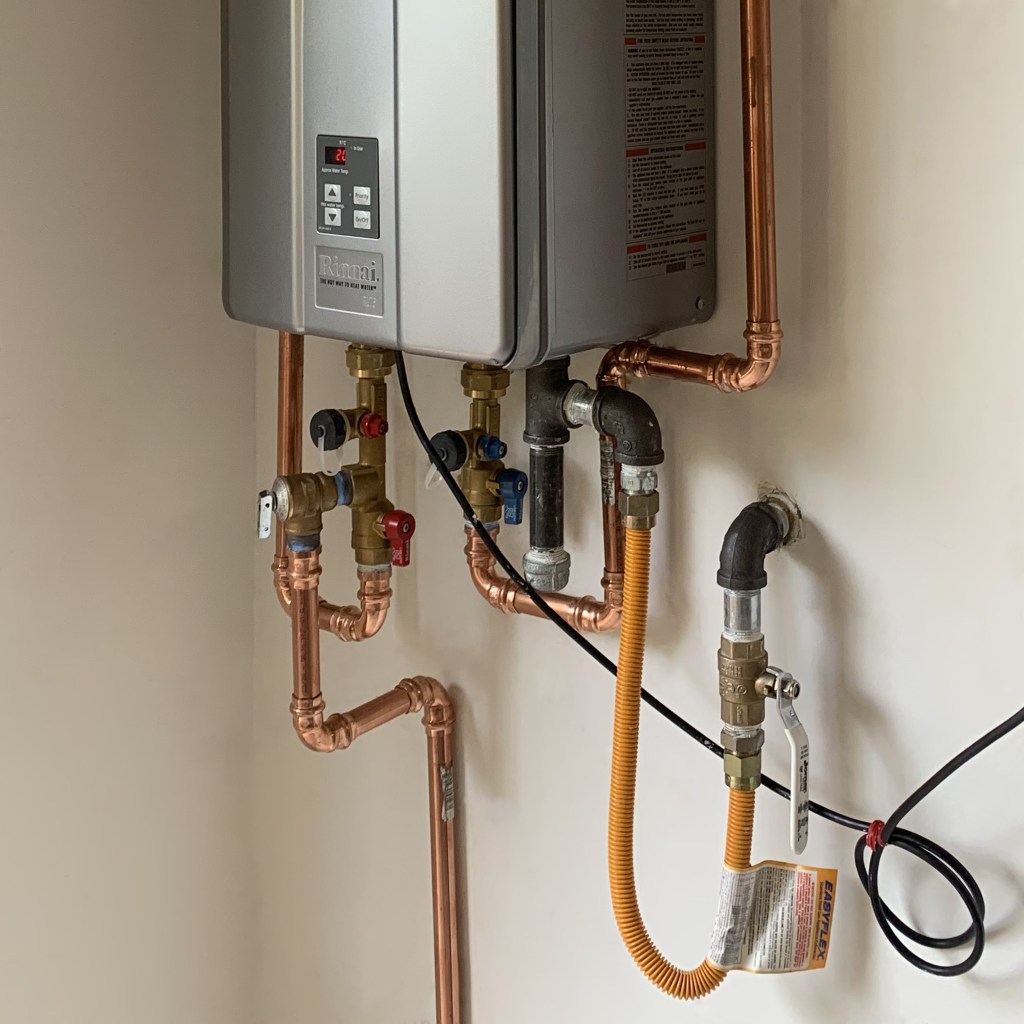
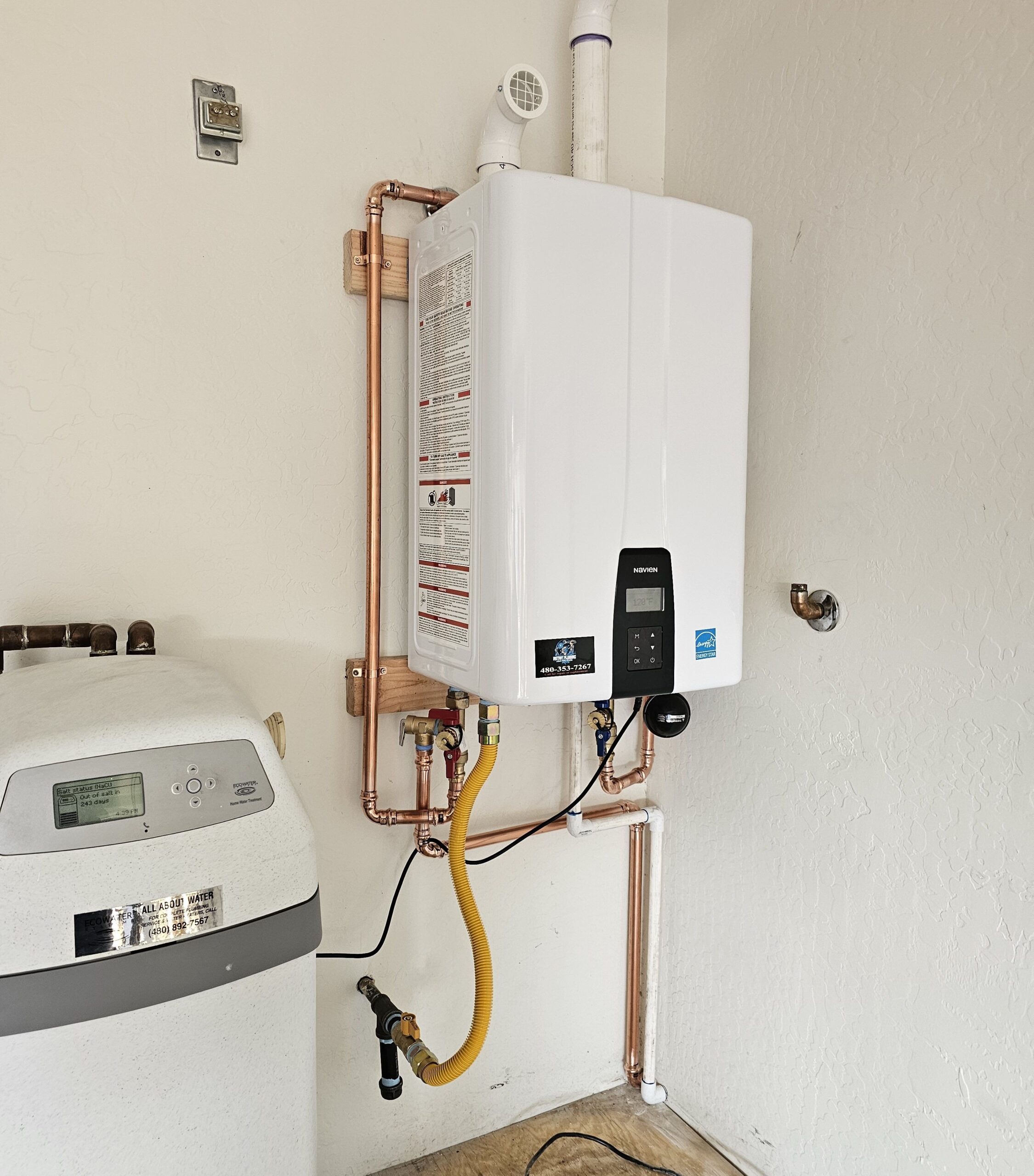
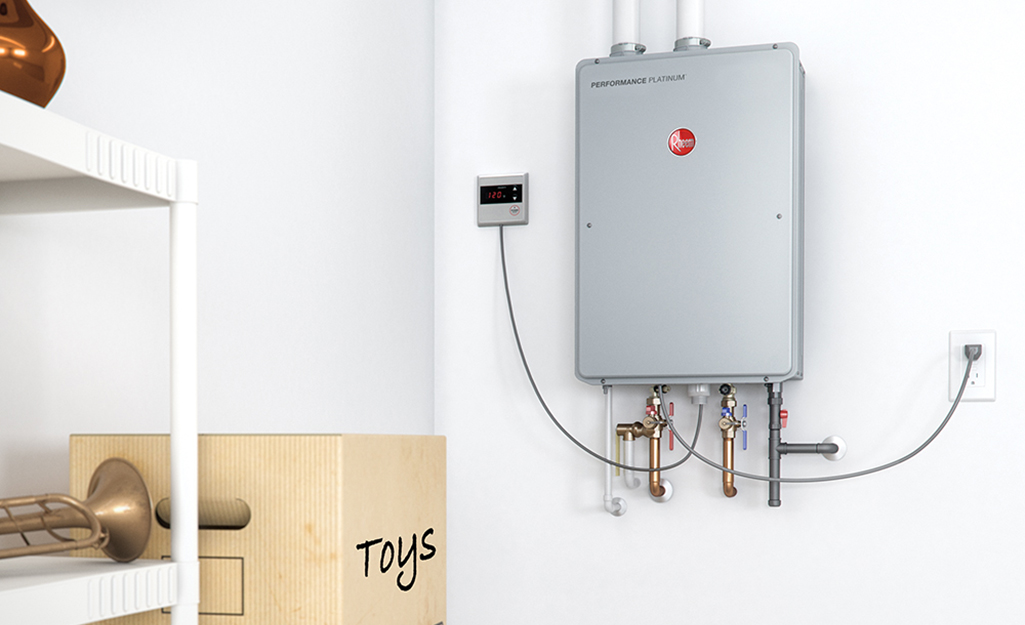
Choose a strong wall for mounting. Use the brackets provided with the heater. Secure the unit firmly to prevent movement.
Connecting Gas Lines
Attach the gas line to the new heater. Use proper fittings and sealant for tight connections. Check the gas line for leaks later.
Hooking Up Water Lines
Connect cold water to the inlet pipe. Attach hot water to the outlet pipe. Tighten all fittings to stop leaks.
Installing Venting System
Install the vent pipe to the heater’s exhaust. Follow local codes for venting direction and length. Seal all joints to prevent gas escape.
Testing For Leaks And Operation
Turn on gas and water supplies slowly. Check all connections for leaks using soapy water. Power on the heater and test hot water flow.
Common Installation Challenges
Installing a tankless gas water heater can bring many benefits. Still, it comes with some challenges that need careful attention. Understanding common issues helps avoid problems and ensures a smooth setup.
This section covers typical hurdles during installation. These include gas pressure problems, venting complications, and water temperature fluctuations. Each can affect the heater’s performance and safety.
Gas Pressure Issues
Proper gas pressure is vital for a tankless water heater. Low pressure can cause the unit to shut off or not heat water well. High pressure may damage the system or create safety risks. Checking local gas supply and adjusting pressure helps avoid these troubles.
Venting Complications
Venting must remove exhaust gases safely outside the home. Incorrect venting can lead to dangerous gas buildup indoors. The vent pipe size and length must match the heater’s specifications. Using the wrong materials or poor placement may cause leaks or blockages.
Water Temperature Fluctuations
Water temperature changes can frustrate users. It happens when the heater struggles to maintain steady heat output. Causes include inconsistent water flow, incorrect settings, or undersized units. Proper installation and fine-tuning reduce temperature swings and improve comfort.
Credit: thewave.global
Maintenance Tips For Efficiency
Keeping your tankless gas water heater efficient requires regular care. Simple maintenance tasks help the unit run smoothly. They save energy and extend the heater’s life. Here are key tips to keep in mind.
Regular Descaling
Mineral buildup can clog the heater’s pipes. Descaling removes these deposits. This cleaning keeps water flowing well. It also prevents damage to internal parts. Perform descaling every year or as needed.
Checking Ventilation
Good airflow is vital for safe heater operation. Check vents for blockages or damage. Clear any debris or dust around the vents. Proper ventilation stops dangerous gases from building up. It helps the heater work efficiently.
Inspecting Gas Connections
Gas leaks are hazardous and waste fuel. Inspect all gas connections carefully. Look for cracks, rust, or loose fittings. Tighten or replace parts if needed. Regular checks ensure safe and efficient heating.
Safety Precautions During Installation
Installing a tankless gas water heater needs careful attention to safety. The process involves handling gas lines and ensuring good air flow. Taking the right safety steps protects your home and your health. Follow clear rules to avoid accidents during installation.
Handling Gas Lines Safely
Turn off the main gas supply before starting any work. Use tools made for gas pipes to avoid damage. Check for leaks with soapy water after connecting pipes. Never use a flame to test for leaks. Tighten all fittings firmly but do not overdo it. Call a professional if you smell gas or feel unsure.
Proper Ventilation Practices
Install the water heater in a well-ventilated area. Vent pipes must lead outside to avoid dangerous fumes. Keep vents clear of any blockages or debris. Follow the manufacturer’s guidelines for vent pipe size and length. Good airflow prevents carbon monoxide buildup. Regularly inspect vents for damage or dirt.
Using Protective Gear
Wear safety goggles to protect your eyes from sparks and debris. Use gloves to avoid cuts and burns. Wear a mask if you work in dusty or tight spaces. Use ear protection if loud tools are in use. Proper gear reduces injury risks and keeps you safe throughout installation.
Credit: www.stellartech.com
Conclusion
Tankless gas water heaters save space and energy. They provide hot water on demand, without waiting. Installation needs careful planning to ensure safety and efficiency. Choosing the right model fits your home’s needs best. Professional installation helps avoid costly mistakes and repairs.
Enjoy steady hot water while reducing your energy bills. This small change can improve your daily comfort a lot. Consider a tankless system for a smarter water heating solution.