The water heater stops heating when the water supply is turned off. It remains full, but no water enters or exits.
Water heaters play a crucial role in modern homes, providing hot water for various daily activities. Know what happens to your water heater when the water supply is cut off can help prevent potential issues. The heater remains full of water, but it stops heating, as no new water enters the system.
This can prevent overheating and potential damage. Regular maintenance and awareness can ensure the longevity and efficiency of your water heater.
Water Heater Basics
Water heaters warm up the water in your home. They use gas or electricity to heat the water. Hot water flows through pipes to your taps and showers. The heater has a thermostat to control water temperature. A tank stores the heated water until needed. Tankless models heat water on demand.
There are various types of water heaters available. Here are the most common types:
#1: Storage Tank Heaters: These hold heated water in a tank.
#2: Tankless Heaters: They heat water instantly as it flows through.
#3: Heat Pump Heaters: These use air to heat the water.
#4: Solar Heaters: They use solar energy to warm the water.
#5: Condensing Heaters: These are more energy-efficient and use gas.
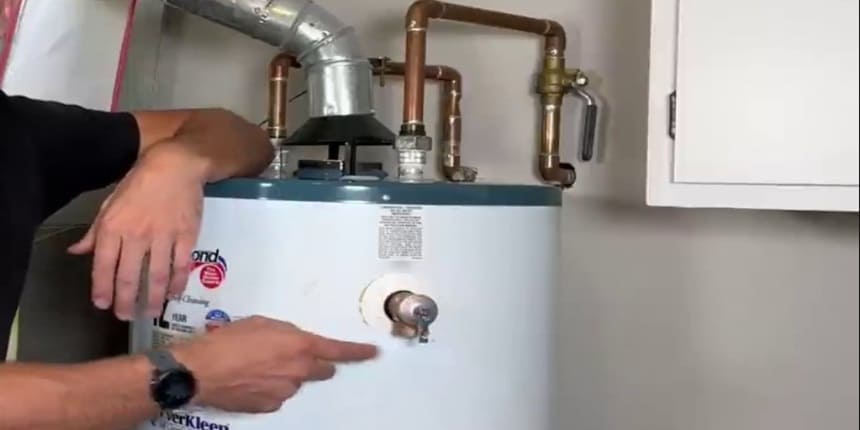
should i turn off my hot water heater
Water heaters need a steady water supply. Without water, they may overheat. This can cause damage to the heater.
Safety features may shut the heater off. This prevents further harm. Hot water is not available for showers or cleaning. The heater’s efficiency drops quickly.
Prolonged periods without water can cause internal corrosion. This weakens the heater’s structure. Mineral build-up may occur inside.
The heater’s lifespan shortens. Costs for repairs or replacement can be high. Water heaters may leak if not checked regularly. Regular maintenance helps avoid these issues.
Safety Mechanisms In my water heater shut off
The Temperature and Pressure Relief Valve prevents the water heater from overheating. It releases water if the temperature gets too high. This keeps the heater safe and prevents explosions.
Water heaters have emergency shut-off features to stop water flow. These features activate during a malfunction. They help prevent water damage and electrical hazards. Make sure your heater has a reliable shut-off feature.
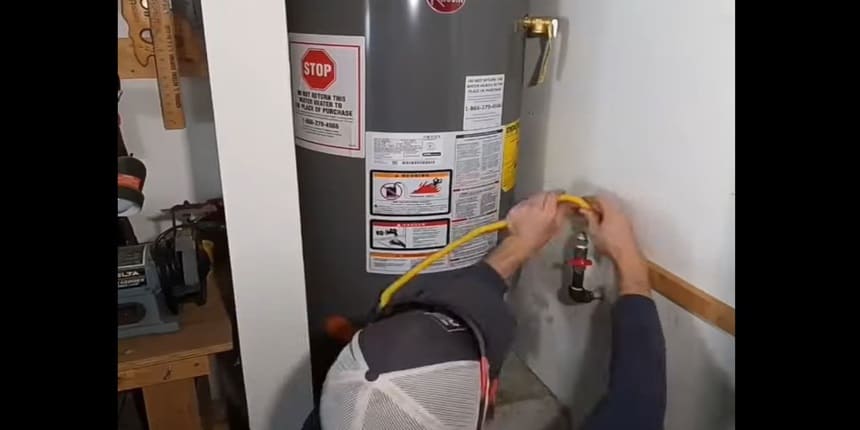
Heating Elements Without Water
Heating elements can be damaged without water. They get too hot and burn out. This is called dry firing.
Without water, there is no cooling. The elements overheat quickly. This can cause serious damage to the water heater.
Check the water supply often. Ensure there is always water in the tank. Turn off the water heater if there is no water.
Turn off the main water supply to change heating element in electrical shower head. This helps to protect the heating elements.
Pressure Build-up And Relief
Water heaters keep water hot. When water is turned off, pressure can build up. This pressure comes from the heated water expanding. If the pressure gets too high, it can cause problems.
Relief valves are important. They help release extra pressure. This keeps the water heater safe. Without a relief valve, the heater could burst.
Safety measures are crucial. Ensure the relief valve works properly. Test it regularly to avoid pressure issues. Turn off hot water heater if water is off for long. This prevents overheating and pressure build-up.
Water Heater Recovery Process After turn off water to heater
Turning off the water supply to a water heater stops the flow to the tank. The heater remains full, maintaining internal pressure.
#1: Steps To Safely Restore Water
Turn off hot water heater first. This prevents damage.
Next, check all water taps. Ensure they are off.
Then, turn on the main water supply. Wait until water flows normal of water supply to water heater.
Now, turn on the water heater. Check if the heater works well. Look for any leaks. Fix them if needed.
Finally, monitor the water heater. Make sure it heats water correctly.
#2: Checking For Potential Issues
Inspect the heater for any signs of rust. Rust can cause leaks.
Listen for water heater strange noises. Noises may indicate problems.
Look at the heater’s pressure valve. High pressure can be dangerous. Check if you turn the water valve off after the tank, is there any pressure in the line.
Check the water heater’s temperature setting. Water temperature less after water shut off. It should not be too high.
Energy Consumption Considerations
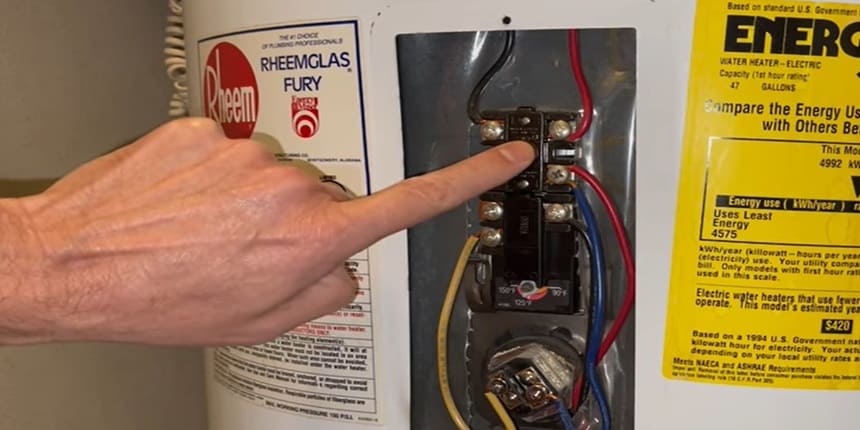
Electric water heaters use electricity to heat water. During an outage, the heater will not work. This means no hot water is available.
The heating elements inside will not heat up. Energy consumption drops to zero if hot water heater shut off. This helps in saving electricity. There is no need to worry about high bills.
Gas water heaters use natural gas or propane. They have a pilot light that stays on. When the gas water heater shuts off, the pilot light stays lit. It uses a small amount of gas.
The heater itself will not work without if turn off water to heater. The energy consumption is very low. Pilot lights ensure the heater is ready to use.
Maintenance Tips For Water Heaters When Water is Turned off
Check your water heater regularly. Look for leaks and rust.
If the house water is Turn off for three weeks and when it’s turn on can the water heater leak. If you shut off the power and cold water to a hot water heater will that help prevent leaks
Flush the tank every six months. This removes sediment.
Inspect the pressure relief valve. Make sure it works properly.
Hire a professional once a year. They can spot hidden problems. They will check the thermostat and heating elements.
A professional can also clean the inside of the tank. This helps your heater last longer.
FAQs of shutting water off to Water heater
How Long Can A Water Heater Go Without Water?
A water heater should never run without water. Doing so can damage the heating elements and tank. Always ensure it is filled before use.
Can I Shut Off The Water To My House And Safely Leave The Water Heater On While I’m Away On Vacation For A Week?
Yes, you can shut off the water and leave the water heater on. Set the heater to “vacation mode” or a lower temperature.
Your hot water heater safe if you turn off the water when leave vacation home. Water heater should be turned off when you turn off main water on vacation.
Will Shutting Off Water Hurt Water Heater?
Shutting off the water supply won’t hurt your water heater. Ensure it’s turned off if you plan extended periods away.
Can I Still Use Water If Water Heater Is Turned Off?
Yes, you can use cold water if the water heater is turned off. Hot water won’t be available.
Last Line
When the water supply to a water heater is turned off, the unit can experience a range of issues, including potential overheating and damage, underscoring the importance of maintaining a consistent water flow for optimal operation and longevity. Understanding your water heater’s needs helps maintain its performance. Stay proactive in caring for your water heater to enjoy hot water when you need it.
Can I turn off my water coming in to the house and still run the baseboard heat while using a tankless system.