
If you have a tankless water heater, you might wonder why an expansion tank matters—and how to pick the right size for it. Choosing the wrong expansion tank size can lead to water pressure problems, costly repairs, or even damage to your system.
But don’t worry, this guide will help you understand exactly what size expansion tank fits your tankless water heater perfectly. Keep reading to make sure your hot water system runs smoothly and lasts longer.
Why Expansion Tanks Matter
Expansion tanks help keep water pressure steady in tankless water heater systems. They stop pressure from rising too much when water heats up and expands. This protects pipes and the water heater itself from damage.
Without an expansion tank, pressure builds up and can cause leaks or breaks. It also helps the system work better and last longer. The right expansion tank size depends on your home’s water heater size and water pressure.
Choosing the correct size ensures the tank can hold the extra water volume safely. This prevents pressure spikes and keeps your water heater running smoothly.
Credit: megaprojects.com
How To Choose The Right Size
Tank size depends on water pressure, temperature, and pipe size. High pressure needs a larger tank to avoid damage. Temperature changes cause water to expand, so a bigger tank helps absorb pressure. The pipe size affects how much water flows through, impacting tank volume.
Calculating the right volume means knowing your system’s pressure range and water volume. Measure the home’s water volume and pressure increase when heating starts. Use this data to find a tank that holds enough expanded water without stress.
| Factor | Effect on Tank Size |
|---|---|
| Water Pressure | Higher pressure needs larger tank volume |
| Temperature Rise | More expansion requires bigger tank |
| Pipe Size | Affects flow rate and tank capacity |
Common Sizing Mistakes
Oversizing an expansion tank can cause water to stay trapped inside. This may lead to pressure build-up and damage to the tank or plumbing system. Large tanks also cost more and take up extra space without real benefits.
On the other hand, undersizing the tank causes frequent pressure spikes. This can make the water heater work harder and reduce its life. Small tanks may also cause noisy pipes and leaks.
Choosing the right size is key. It keeps water pressure steady and protects your heater. Checking the tank volume and water heater capacity helps find the best match.
Installation Tips
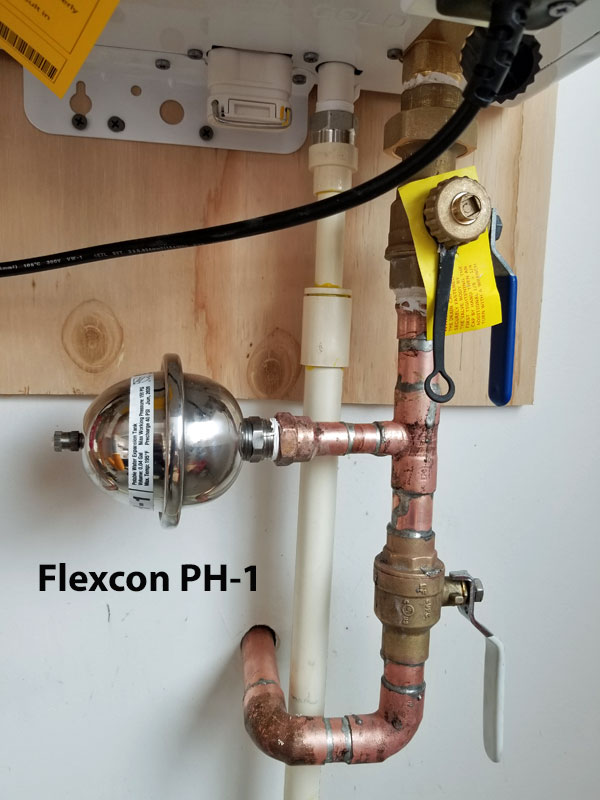
Choose a spot close to the water heater for the expansion tank. This keeps the system balanced and pressure steady. Avoid places with direct sunlight or extreme cold. Mount the tank on a strong wall or secure stand to prevent movement. Keep it easy to reach for checks and repairs.
Check the expansion tank pressure every few months. Use a pressure gauge for accuracy. Drain any water from the tank if you see rust or leaks. Replace the tank if it feels heavy or shows damage. Regular care helps the tank work well and last longer.
Popular Expansion Tank Models
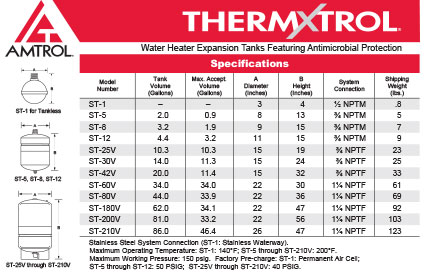
Popular expansion tanks come from trusted brands like Amtrol, Watts, and Extrol. Each brand offers tanks with different sizes and capacities. Choosing the right size depends on your tankless water heater model and water pressure.
| Brand | Tank Size Options | Material | Common Use | Price Range |
|---|---|---|---|---|
| Amtrol | 2 to 5 gallons | Steel with rubber diaphragm | Residential water heaters | $$ |
| Watts | 2 to 4 gallons | Steel with butyl diaphragm | Home heating systems | $ – $$ |
| Extrol | 2 to 8 gallons | Steel with rubber diaphragm | Commercial and residential | $$$ |
Features to check: tank size, pressure rating, and diaphragm material. Also, check if the tank fits your water heater’s pressure settings. A good tank prevents pressure build-up and extends heater life.
Credit: megaprojects.com
Cost Factors
The price range for a tankless water heater expansion tank varies. Smaller tanks cost less, usually between $30 and $70. Larger tanks, needed for bigger systems, can cost $80 to $150. Installation fees depend on the plumber and complexity. Simple installs might cost $100 to $200, while harder jobs can reach $300 or more.
Choosing the right size helps save money over time. A well-sized expansion tank prevents damage to pipes and heaters. This reduces repair costs and extends the heater’s life. So, spending a bit more upfront can lead to long-term savings.
Credit: megaprojects.com
Frequently Asked Questions
What Size Expansion Tank For Tankless Water Heater?
Choose an expansion tank size based on your heater’s capacity. Typically, a 2-gallon tank suits most residential tankless water heaters. Check your system’s specifications for exact sizing to ensure proper pressure control and prevent damage.
Why Is An Expansion Tank Needed For Tankless Heaters?
An expansion tank absorbs excess water pressure caused by thermal expansion. It protects plumbing and the water heater from damage. Without it, pressure buildup can lead to leaks or system failure.
How To Determine The Correct Expansion Tank Size?
Calculate your water heater’s volume and pressure settings. Use manufacturer guidelines or consult a professional plumber. Proper sizing ensures effective pressure management and extends your system’s lifespan.
Can I Install An Expansion Tank Myself?
Yes, if you have basic plumbing skills. Ensure correct placement near the water heater’s cold water inlet. Follow manufacturer instructions carefully or hire a professional for best results.
Conclusion
Choosing the right expansion tank size keeps your tankless water heater safe. It stops pressure build-up and helps your system last longer. Size depends on your water heater’s capacity and water pressure. Using the correct tank reduces leaks and damage risks.
Always check the manufacturer’s guide for the best fit. A well-sized tank means fewer repairs and better water flow. Take time to measure and pick carefully. Your water heater will work smoothly and save you money. Small steps make a big difference in home comfort.