Are you tired of dealing with inconsistent hot water or frequent repairs on your tankless water heater? Installing a filter could be the simple fix you need to protect your system and improve its performance.
You’ll discover how a tankless water heater filter installation can save you money, extend the life of your heater, and ensure clean, reliable hot water every time. Keep reading to find out exactly how to install the right filter and why it’s a smart choice for your home.

Credit: www.icecreamfactoryny.com
Benefits Of Tankless Water Heater Filters
Tankless water heater filters offer several important benefits. They protect your heater and improve your water quality. These filters also help save energy and reduce costs. Installing a filter is a smart step to keep your heater working well for years.
Extending Heater Lifespan
Filters stop dirt and debris from entering the heater. This prevents damage to the internal parts. Cleaner water means less wear and tear. The heater lasts longer and needs fewer repairs. A filter protects your investment over time.
Improving Water Quality
Filters remove particles that make water dirty. Cleaner water feels better on skin and hair. It also reduces stains on dishes and clothes. A water filter helps keep your home cleaner. It improves the overall water experience for your family.
Enhancing Energy Efficiency
Clean water helps the heater work more efficiently. No buildup inside means faster heating times. The heater uses less energy to warm water. This reduces your energy bills and saves money. A filter helps your heater run smoothly and cheaply.
Choosing The Right Filter
Choosing the right filter for your tankless water heater is important. It helps keep your system clean and working well. A good filter stops dirt and debris from damaging the heater. This saves money on repairs and extends the heater’s life.
Filters come in different types and sizes. Some fit better with certain tankless systems. Knowing what to pick makes installation easier. It also improves water quality and heater performance.
Types Of Filters Available
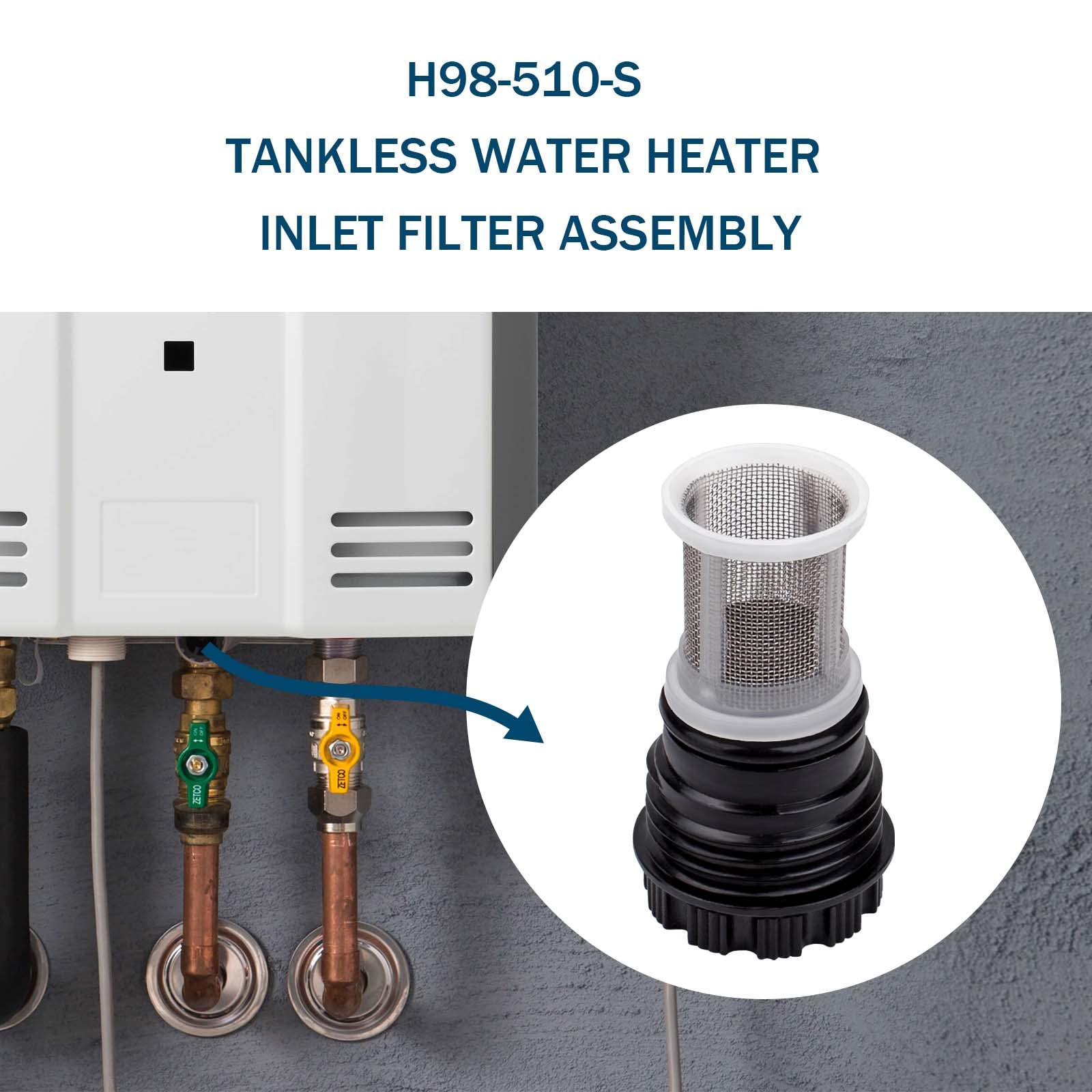
There are several filter types for tankless water heaters. Sediment filters catch sand, dirt, and rust. Carbon filters reduce bad smells and chlorine taste. Mesh filters trap larger particles and debris. Each type protects the heater in a unique way. Choose a filter based on your water quality needs.
Filter Sizes And Specifications
Filters come in various sizes and flow rates. Size matters for fitting the water heater pipes. Flow rate affects water pressure and heater function. Check the filter’s micron rating to see what it traps. Smaller micron ratings catch finer particles. Pick a size that matches your home’s water flow and heater requirements.
Compatibility With Tankless Systems
Not all filters fit every tankless water heater. Some brands need specific filter models. Check the heater’s manual for filter recommendations. Using the right filter avoids leaks and damage. Proper fit ensures easy installation and good water flow. Always match the filter to your tankless system’s needs.
Tools And Materials Needed
Installing a filter on a tankless water heater helps protect the system from dirt and debris. You need the right tools and materials to do the job well. This section explains what to gather before starting the installation.
Essential Installation Tools
First, get a pipe wrench to loosen and tighten fittings. A screwdriver is necessary for securing clamps or brackets. Use Teflon tape to seal pipe threads and prevent leaks. A pipe cutter helps make clean, straight cuts on pipes. Have a bucket ready to catch any water during installation. A level ensures the filter mounts straight on the wall. Finally, adjustable pliers help grip and turn small parts.
Recommended Filter Brands
Choose filters designed for tankless water heaters. Brands like Pentair, Culligan, and APEC offer reliable options. Look for filters with fine mesh screens to trap small particles. Some models include easy-to-clean features or replaceable cartridges. Pick a size that fits your water heater’s inlet pipe. Quality filters improve water flow and extend heater life.
Safety Equipment
Wear safety gloves to protect hands from sharp edges. Use safety goggles to shield eyes from splashes or debris. Turn off the water supply before starting work. Also, switch off the power to the water heater to avoid shocks. Have a towel or cloth nearby to wipe spills quickly. Staying safe helps prevent accidents and keeps the job smooth.
Credit: www.myhungryhouse.com
Preparing For Installation
Preparing for a tankless water heater filter installation is an important step. It helps ensure the process goes smoothly and safely. Taking time to get ready can save effort and avoid mistakes.
Start by making sure the water supply to the heater is completely off. This stops water flow during installation. Next, drain the system to remove any water inside the pipes. Finally, find the best spot to install the filter. These steps make the installation easier and more effective.
Shutting Off Water Supply
Locate the main water valve near your heater. Turn it clockwise to close it. This stops water from flowing into the heater. Double-check by opening a hot water tap. No water should come out. This step is critical to avoid leaks and water damage.
Draining The System
Find the drain valve on your water heater or nearby pipe. Attach a hose if needed. Open the valve and let the water drain out. This removes water trapped in pipes. It lowers pressure and makes installation safer. Close the valve once draining finishes.
Locating Installation Point
Choose a spot on the water line before the heater. It should be easy to reach and fit the filter size. The area must be dry and free of obstacles. Proper placement helps the filter work well. Mark the spot clearly for the next steps.
Step-by-step Filter Installation
Installing a filter on your tankless water heater helps protect the system from debris. This keeps your heater working well and lasting longer. Follow these clear steps to install the filter safely and correctly.
Removing Existing Components
Start by turning off the water supply and power to the heater. Next, open the access panel to reach the pipes. Use a wrench to loosen and remove any old filters or fittings. Keep the area clean and ready for the new filter.
Attaching The Filter
Place the new filter in position on the inlet pipe. Make sure the filter’s arrow points in the direction of water flow. Thread the filter onto the pipe by hand. Tighten it carefully with a wrench, avoiding over-tightening.
Securing Connections
Check that all connections are tight and secure. Use plumber’s tape on threaded joints to prevent leaks. Reattach any removed components and close the access panel. Ensure everything fits snugly and holds firm.
Checking For Leaks
Turn on the water supply slowly and watch for leaks around the filter. Inspect all joints and fittings closely. If you see water dripping, tighten connections more. Run water through the heater for a few minutes to confirm no leaks remain.

Credit: www.youtube.com
Maintenance Tips
Proper maintenance keeps your tankless water heater filter working well. It helps avoid damage and keeps water clean. Small steps can save money and extend the heater’s life.
Follow these tips to maintain your filter. Regular care makes a big difference in performance and durability.
Cleaning And Replacing Filters
Filters trap dirt and debris. Clean them every few months to avoid clogs. Use water and a soft brush for cleaning. Replace filters if they look worn or damaged. New filters keep water flowing smoothly.
Regular Inspection Schedule
Check the filter once a month. Look for cracks, dirt build-up, or leaks. Early checks catch problems before they grow. Mark your calendar to remind yourself. Consistency prevents costly repairs and keeps water quality high.
Troubleshooting Common Issues
Slow water flow often means a dirty filter. Clean or replace it right away. Strange noises can signal a blocked filter. Leaks need quick attention to avoid water damage. Clear signs help fix problems fast and keep the heater safe.
Cost And Energy Savings
Installing a filter for your tankless water heater can save you money over time. It helps your system run more efficiently and last longer. Spending on a filter may seem high at first. But it reduces energy use and repair costs later. This section explains how these savings work.
Initial Investment Vs Long-term Savings
Buying and installing a filter costs money upfront. Prices vary depending on the filter type and size. This initial cost may seem large. Yet, it protects your water heater from dirt and minerals. This protection means fewer breakdowns and longer life. Over several years, these savings cover the initial price. The filter pays for itself.
Impact On Energy Bills
A clean water heater uses less energy. Filters stop sediment from building inside the unit. Sediment makes the heater work harder and waste energy. With a filter, the water heater stays clean and efficient. This lowers your monthly energy bills. Small savings add up to big cuts in costs.
Preventing Costly Repairs
Filters catch particles that harm your water heater. Without a filter, these particles cause damage. Repairs for clogged or broken parts can be expensive. Installing a filter reduces the chance of these problems. It saves money by avoiding frequent repairs. Your heater stays in good shape longer.
Conclusion
Installing a filter on your tankless water heater protects it from dirt and debris. This helps your heater work better and last longer. Clean water also means safer and healthier use. Filters need regular checks and changes to keep working well.
Taking these simple steps saves money on repairs. Enjoy steady hot water without worry. A small effort goes a long way for your home’s comfort.