
Are you tired of high energy bills from your water heater running all day? Installing a water heater timer could be the simple fix you need.
Imagine cutting costs, saving energy, and still enjoying hot water exactly when you want it. This guide will walk you through everything you need to know about water heater timer installation, so you can take control of your energy use and boost your home’s efficiency.
Keep reading to discover how easy it is to make this smart upgrade—and why your wallet will thank you.

Credit: www.reddit.com
Benefits Of Water Heater Timers
Water heater timers offer several important benefits for every household. They control when your water heater turns on and off. This control helps save energy and money. It also protects your water heater from wearing out too fast. Installing a timer is a smart step toward a more efficient home.
Energy Savings
Water heater timers reduce energy use by limiting heater operation. The heater runs only during set times. No energy is wasted heating water when not needed. This simple adjustment lowers the total electricity or gas used. It helps reduce your home’s overall energy footprint.
Lower Utility Bills
Using less energy means smaller utility bills. Timers keep water heaters off during times you don’t need hot water. Your monthly bills shrink because you pay for less energy. This can add up to noticeable savings over time. A small change that makes a big difference.
Extended Appliance Lifespan
Water heater timers reduce wear and tear on the appliance. The heater does not run constantly or unnecessarily. This reduces stress on the heating elements and tank. Less use means fewer breakdowns and longer appliance life. You avoid costly repairs or early replacements.
Credit: www.intermatic.com
Types Of Water Heater Timers
Water heater timers control when your heater turns on and off. They save energy by heating water only when needed. Different types of timers suit different needs and budgets. Understanding these types helps in choosing the right one for your home.
Mechanical Timers
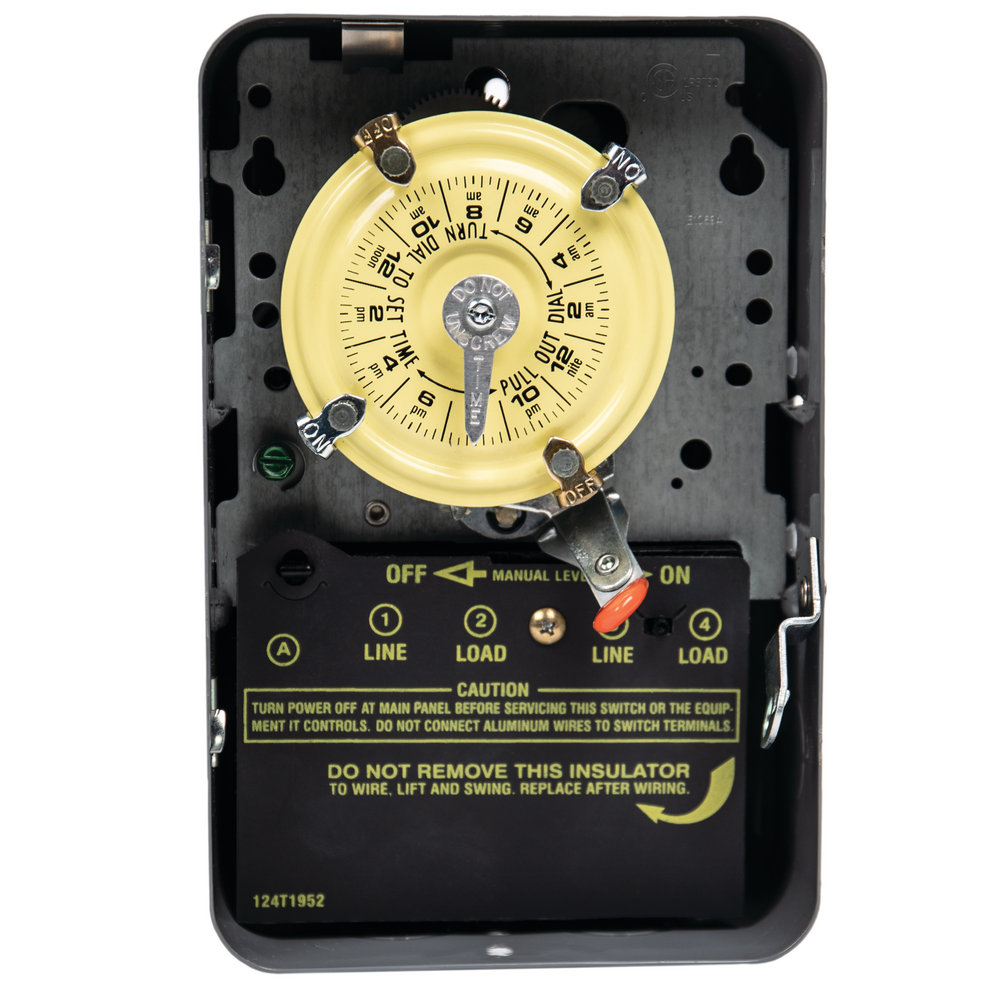
Mechanical timers use a dial and a small switch. You set the time by turning the dial to the desired hours. They are simple to use and affordable. These timers work well for fixed schedules. No electricity is needed to run them.
Digital Timers
Digital timers have a screen and buttons for setting times. They offer more precise control than mechanical timers. You can set multiple on and off periods during the day. These timers are easy to program and read. They often include a backup battery for power outages.
Smart Timers With Wi-fi
Smart timers connect to your Wi-Fi network for remote control. You can change settings using a smartphone app. They learn your schedule and adjust heating automatically. These timers provide energy reports and alerts. Smart timers help save money by optimizing water heating times.
Tools And Materials Needed
Installing a water heater timer needs certain tools and materials. Gathering these before starting saves time. It also makes the job safer and easier. Below are the essentials for a smooth installation process.
Basic Electrical Tools
You need a screwdriver set, both flathead and Phillips. A voltage tester helps check if wires carry current. Wire strippers cut and remove insulation from wires safely. Pliers are useful for gripping and bending wires. Electrical tape secures wire connections and prevents shorts.
Safety Gear
Wear insulated gloves to protect against electric shocks. Safety goggles shield your eyes from sparks or dust. Use a face mask if you work in a dusty area. Non-slip shoes help avoid accidents on wet surfaces. Always turn off the power before starting any work.
Compatible Timer Models
Choose a timer designed for your water heater’s power rating. Digital timers offer precise control and easy programming. Mechanical timers are simpler but less flexible. Check the timer’s voltage and current limits match your heater. Select models that are easy to install and use.

Credit: waterheatertimer.org
Step-by-step Installation Guide
Installing a water heater timer helps save energy and reduce bills. Follow this simple guide to fit the timer yourself safely and correctly. Each step is clear and easy to follow for all skill levels.
Turn Off Power
Before starting, switch off the power at the main circuit breaker. This prevents electric shock and keeps you safe. Double-check by trying to turn on the water heater.
Locate Heater Wiring
Find the wiring connected to your water heater. Look behind the heater’s access panel or near the breaker box. Identify the live, neutral, and ground wires carefully.
Connect Timer To Circuit
Attach the timer wires to the heater circuit wires. Match colors: live to live, neutral to neutral, and ground to ground. Use wire nuts or connectors to secure each connection tightly.
Set Timer Schedule
Adjust the timer dials or digital settings to your preferred heating times. Choose hours when hot water is needed most. Set off times to save power during low-use periods.
Test The Setup
Turn power back on at the breaker. Check if the timer controls the heater correctly. Watch the timer switch the heater on and off at set times. Fix any issues before closing the panel.
Safety Precautions
Installing a water heater timer can save energy and reduce costs. Safety is the top priority during installation. Taking the right precautions avoids accidents and equipment damage. Follow clear guidelines for a safe setup.
Electrical Safety Tips
Turn off the main power before starting any work. Use insulated tools to prevent electric shocks. Check wires for damage and wear proper gloves. Avoid touching live wires or terminals. Test the circuit with a voltage tester before proceeding. Keep the work area dry and clear of clutter. Proper grounding helps protect against electric faults.
When To Call A Professional
Call an electrician if unsure about wiring or connections. Complex electrical systems require expert handling. If the timer needs special wiring or fuse changes, get help. Professionals ensure installation meets safety standards. Avoid risking injury or damage by handling beyond your skill. A licensed expert can also troubleshoot problems efficiently.
Code Compliance
Follow local electrical codes and regulations strictly. Using approved materials and methods prevents legal issues. Obtain permits if required before installation. Inspections may be needed to confirm safety compliance. Code adherence protects your home and family. Always check for updates in local rules. Proper compliance adds value and reliability to your system.
Optimizing Timer Settings
Setting your water heater timer correctly saves energy and money. It helps to heat water only when needed. Optimizing these settings makes your home more efficient. Small changes can reduce bills and extend your heater’s life.
Peak And Off-peak Hours
Electric companies charge less during off-peak hours. These are times when few people use electricity. Set your timer to heat water during these hours. Avoid heating during peak hours to save money. Check your local utility schedule for exact times.
Vacation Mode
Use vacation mode when away from home. It lowers the heater’s temperature or turns it off. This prevents wasting energy heating unused water. Turn vacation mode on before leaving. Switch it off a day before return for warm water.
Adjusting For Seasonal Changes
Water needs change with the seasons. In winter, water is colder and needs more heating. In summer, less heat is required. Adjust your timer to match these needs. Change settings at the start of each season for best results.
Common Issues And Troubleshooting
Water heater timers help save energy and cut costs. Sometimes, these timers face issues that stop them from working well. Knowing common problems and how to fix them saves time and money.
Timer Not Turning On/off
Sometimes the timer does not switch the heater on or off. This can happen if the timer is not connected properly. Check the wiring and power source first. A loose wire or no power can cause this problem. Resetting the timer might help. If the problem stays, the timer itself may be faulty.
Power Surges
Power surges can damage the timer. Surges happen during storms or electrical faults. A damaged timer may stop working or act strangely. Using a surge protector can prevent damage. If the timer breaks, replace it with a new one. Always turn off the power before working on the timer.
Incorrect Time Settings
Wrong time settings cause the heater to turn on or off at the wrong times. Check the timer clock and make sure it matches the current time. Follow the instructions to set the on/off schedule. Small mistakes during setting can cause big problems. Adjust the timer carefully to avoid this issue.
Comparing Costs And Savings
Understanding the costs and savings linked to water heater timer installation helps make smart choices. This section breaks down the main expenses and the potential savings. It also outlines how long it takes to earn back the initial cost.
Initial Investment
The upfront cost includes buying the timer and installation fees. Timers vary in price based on features and brand. Installation by a professional may add to the cost. Some models are easy to install, lowering expenses. Budget around $100 to $300 for the full setup.
Monthly Savings Estimates
Timers reduce energy use by limiting heater run time. Savings depend on your energy rates and usage habits. Many households save 10% to 20% on water heating bills. This can mean about $5 to $15 saved each month. Savings grow if your previous heater ran all day.
Return On Investment Timeline
Return on investment (ROI) shows when savings cover initial costs. Most users see ROI within 6 to 18 months. Factors include timer cost and monthly savings size. After ROI, savings directly improve your budget. Timers provide ongoing value beyond the payback period.
Environmental Impact
Water heater timers help lower energy use by controlling when the heater runs. This control reduces waste and lessens the impact on the environment. Using timers means the water heater works only when needed. This simple step saves energy and helps protect our planet.
Reducing Carbon Footprint
Water heater timers cut down on energy use. Less energy means fewer greenhouse gases released. This lowers your home’s carbon footprint. Timers stop the heater from running all day. This saves power and reduces pollution. Small changes add up to big effects over time.
Supporting Renewable Energy Use
Timers can set heaters to run during off-peak hours. This matches times when renewable energy is more available. Solar and wind power often produce extra energy at night. Using the timer helps use this clean energy. It reduces reliance on fossil fuels. Timers support a greener energy future for all.
Conclusion
Installing a water heater timer saves energy and cuts your bills. It controls heating times, so the water heats only when needed. This simple step helps your home run more efficiently. You can enjoy warm water without wasting power. The installation is quick and does not need much skill.
Small changes like this make a big difference over time. Think about adding a timer to your water heater today. It’s a smart way to save money and help the environment.