
Knowing how to turn off the gas to your water heater can save you from serious trouble. Whether you’re doing maintenance, fixing a leak, or dealing with a strange smell, shutting off the gas safely is the first step.
If you’re unsure or worried about making a mistake, this guide will walk you through the process in simple, clear steps. Keep reading to protect your home and keep your family safe.
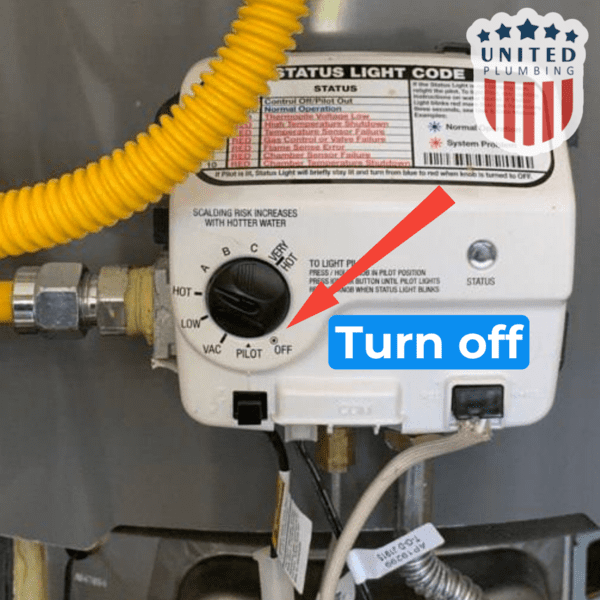
Credit: plumbing-united.com
Locate The Gas Supply Valve
Locating the gas supply valve is the first step to safely turn off the gas to your water heater. Knowing where this valve is can help you stop the gas flow in case of repairs or emergencies. It is important to act carefully and follow simple steps.
Identify The Gas Line
The gas line is a metal pipe that brings gas to your water heater. It usually runs along the wall or floor near the appliance. The pipe may be black or gray and connected with fittings. Look for a pipe entering the bottom or side of the water heater.
Sometimes, the gas line has a flexible connector near the appliance. This part makes it easier to move or install the heater. The gas line is different from the water pipes, which are usually copper or plastic and carry water.
Find The Shutoff Valve
The shutoff valve controls the gas flow through the gas line. It is often a small lever or round knob attached to the pipe. The valve is close to the water heater, but sometimes it may be farther away, like near the main gas meter.
To turn off the gas, the valve must be perpendicular to the pipe. If the lever is parallel, the gas is on. Turn the valve 90 degrees to stop the gas flow. Always check carefully to make sure the gas is off before starting any work.
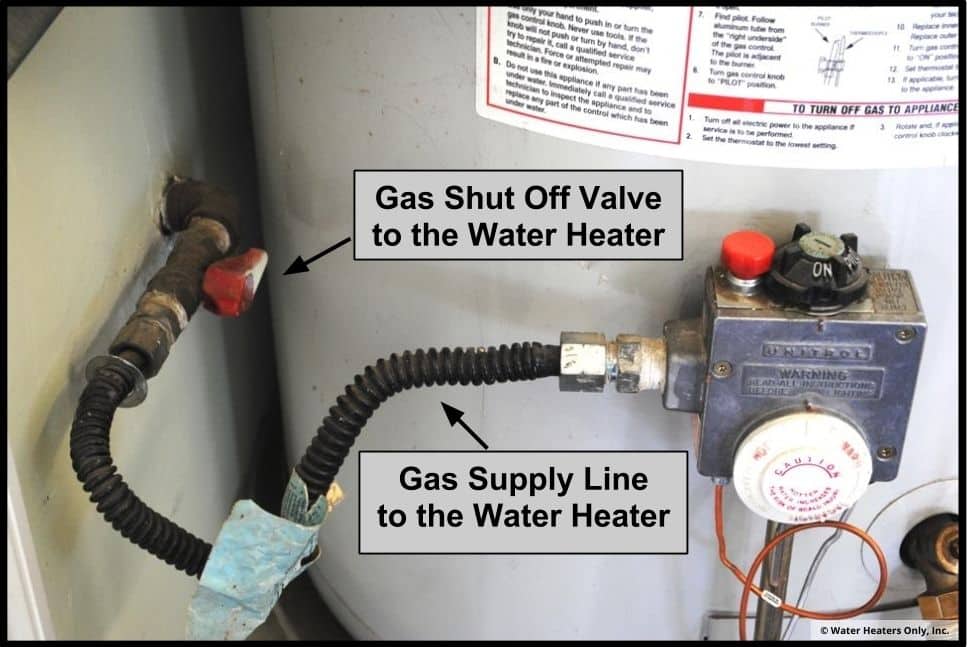
Credit: www.dangerfieldsofshakopee.com
Prepare For Shutdown
Preparing to shut down your gas water heater is important for safety and efficiency. Taking the right steps helps avoid damage and leaks. It also protects your home and family from gas hazards.
Start by making sure the water and gas flows are properly controlled. Check the area around the heater to keep it safe during the shutdown process.
Turn Off The Water Supply
Locate the cold water valve near the water heater. This valve controls the water entering the heater. Turn it clockwise to close the valve fully. This stops water from flowing into the tank.
Draining water after shutting off helps prevent leaks and damage. Attach a hose to the drain valve at the tank’s bottom. Open the valve to let water flow out safely. This step is crucial for repairs or replacement.
Ensure Proper Ventilation
Gas water heaters produce fumes that need to escape safely. Check that vents and flues are clear of blockages. Open windows or doors in the area for fresh air.
Good ventilation reduces the risk of gas buildup. It keeps the air safe and prevents dangerous gas from accumulating. Never block or cover vents during shutdown.
Turn Off The Gas
Turning off the gas to your water heater is a key safety step. It prevents leaks and stops the heater from running. Knowing how to do this correctly keeps your home safe and saves energy.
Rotate The Valve To Close
Find the gas valve near the water heater. It looks like a small lever or knob.
Turn the valve 90 degrees until it is perpendicular to the pipe. This position means the gas is off.
Do not force the valve. Turn it gently but firmly to avoid damage.
Confirm The Gas Is Off
Check for the smell of gas near the heater. No smell means the gas is off.
Look at the pilot light or burner. It should be out once the gas is off.
Use a gas detector if you have one for extra safety.

Credit: www.angi.com
Check For Gas Leaks
Checking for gas leaks is very important before turning off the gas to your water heater. Gas leaks can be dangerous and cause fires or explosions. Always make sure the area is safe. Use simple methods to detect leaks quickly and easily. Stay calm and take your time.
Use A Soap Solution
Mix water with a little dish soap in a spray bottle. Spray the solution on the gas line and connections. Watch for bubbles forming. Bubbles mean gas is leaking from that spot. Do not ignore even small bubbles. This method is safe and easy to do at home.
Smell And Listen For Gas
Gas has a strong, rotten egg smell added for safety. Stand close to the water heater and sniff carefully. Listen for a hissing sound near pipes or valves. A hissing noise can mean gas is escaping. If you smell or hear gas, do not try to fix it yourself. Leave the area and call a professional right away.
Restarting The Water Heater
Restarting a water heater after turning off the gas is important for safety and efficiency. It ensures hot water returns without any risk of leaks or hazards. Follow each step carefully to avoid mistakes and keep your home safe.
Turn Gas Back On Safely
Locate the gas valve near the water heater. Turn the valve slowly to the “on” position. Listen for the sound of gas flow. Do not force the valve. If you smell gas, stop immediately and leave the area. Call a professional for help.
Relight The Pilot Light
Find the pilot light access panel on the heater. Turn the control knob to “pilot.” Press and hold the knob to allow gas flow. Use a long lighter or match to ignite the pilot. Keep holding the knob for 30 seconds after lighting. Release the knob and check if the pilot stays lit. If it goes out, repeat the steps carefully.
Safety Tips And Precautions
Turning off the gas to your water heater requires care and attention. Safety is the top priority. Taking the right steps can prevent accidents and damage. Always follow safety tips and precautions before starting the process.
When To Call A Professional
Some problems need expert help. If you smell gas or hear a hissing sound, stop immediately. Gas leaks can be dangerous. Call a professional right away to inspect and fix the issue.
Do not try to repair gas lines yourself. Professionals have the right tools and knowledge. They can ensure the job is done safely and correctly.
Regular Maintenance Advice
Keep your water heater in good shape with regular checks. Look for rust, leaks, or unusual noises. Clean the area around the heater to avoid dust buildup.
Schedule annual inspections by a licensed technician. Regular maintenance helps spot problems early. It also keeps your heater running efficiently and safely.
Frequently Asked Questions
How Do I Safely Turn Off Gas To My Water Heater?
Locate the gas shutoff valve near the heater. Turn it clockwise until it stops. Ensure the pilot light is off before proceeding.
When Should I Turn Off The Gas To My Water Heater?
Turn off gas during repairs, maintenance, or if you smell gas. It prevents accidents and ensures safety in your home.
Can I Turn Off Gas To The Water Heater Myself?
Yes, you can safely turn off the gas by locating the shutoff valve and turning it clockwise. If unsure, consult a professional.
What Tools Do I Need To Turn Off Gas To Water Heater?
No special tools are needed. Simply locate the gas valve and turn it by hand clockwise until it closes.
Conclusion
Turning off the gas to your water heater is simple and important. Always locate the gas valve first. Then, turn it clockwise until it stops. This stops the gas flow safely. Remember to check for any gas smell before and after.
Doing this helps prevent accidents and saves energy. Stay safe by knowing how to control your water heater’s gas supply. Now, you can handle this task with confidence and ease.