
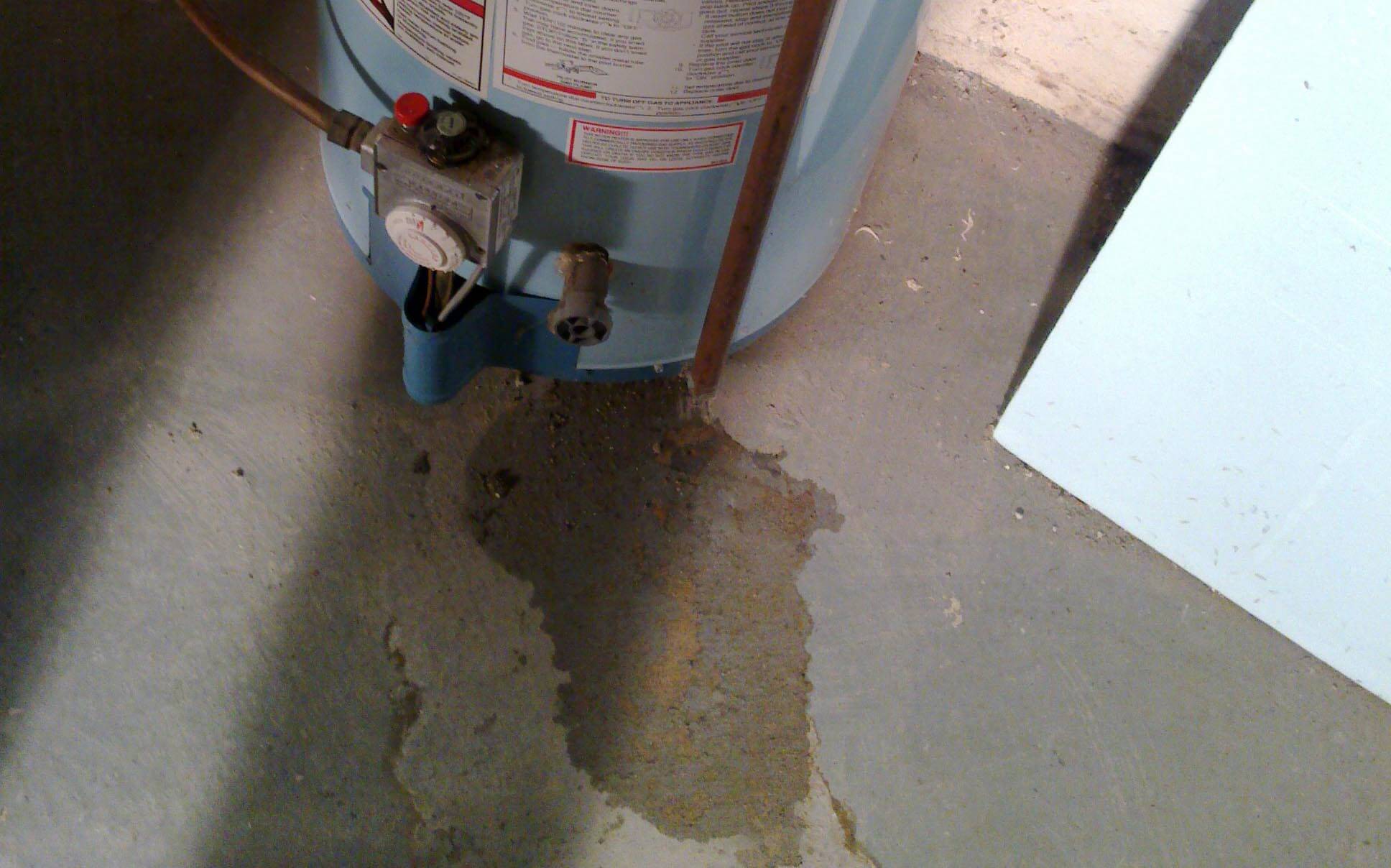
Is your hot water heater leaking from the bottom? If you’ve noticed water pooling around your unit, it’s a sign you can’t ignore.
A leak might seem small at first, but it can quickly turn into a costly problem that disrupts your daily routine. You need to know why this happens, what risks you face, and how to fix it before things get worse.
Keep reading to learn exactly what causes your hot water heater to leak and what steps you should take right now to protect your home and save money.
Credit: www.sirelmagroup.it
Common Causes Of Bottom Leaks
Leaks at the bottom of a hot water heater often signal common problems. Identifying the cause early helps avoid bigger damage and costly repairs. Several parts can cause these leaks. Understanding each one guides you to the right fix.
Corroded Tank
The tank can rust over time. Water and air inside cause corrosion. Rust weakens the metal, leading to leaks. Older heaters are more prone to this issue. Regular checks help spot corrosion early.
Loose Drain Valve
The drain valve sits near the tank’s bottom. It releases water during maintenance. If it is loose or damaged, water can drip out. Tightening or replacing the valve often stops the leak.
Faulty Temperature And Pressure Valve
This valve controls pressure inside the tank. If pressure rises too high, it releases water. A faulty valve may leak constantly. Replacing a bad valve keeps your heater safe and dry.
Leaking Pipes Or Connections
Pipes connect the heater to your home’s water system. Loose or damaged pipes cause leaks at the bottom. Checking and tightening connections can fix most leaks. Sometimes, pipes need full replacement.
Credit: materiaiscastanheira.com.br
Initial Safety Measures
Noticing water leaking from the bottom of your hot water heater can be worrying. Safety must be the first step before any repairs. Taking quick action helps avoid damage and keeps you safe.
Start by stopping the power and water flow to the heater. Then, drain the tank to reduce pressure and prevent spills. These steps prepare your heater for inspection or repair.
Turning Off Power And Water Supply
Find the power source of your hot water heater. For electric heaters, switch off the breaker at your main panel. For gas heaters, turn the gas valve to the off position.
Next, shut off the cold water supply. Look for the valve above the heater and close it. This stops more water from entering the tank and leaking out.
Draining The Water Heater
Attach a hose to the drain valve at the bottom of the tank. Run the hose to a safe drainage spot, like a floor drain or outside.
Open the drain valve slowly to release water. Be careful; the water may still be hot. Allow the tank to empty to reduce pressure and avoid spills.
Quick Fixes For Minor Leaks
Minor leaks at the bottom of a hot water heater can cause worry but often need simple fixes. Acting fast helps stop damage and water waste. Some repairs do not require a plumber and can save money. Here are easy ways to fix small leaks yourself.
Tightening Loose Valves
Valves can loosen over time. Check the valves near the leak. Use a wrench to gently tighten them. Do not force too hard to avoid damage. A tighter valve often stops small drips quickly.
Replacing The Drain Valve Washer
A worn washer can cause leaks at the drain valve. Turn off the water supply first. Drain some water to avoid spills. Remove the valve and replace the washer inside. Reattach and tighten the valve to stop leaks.
Sealing Small Leaks With Epoxy
Epoxy putty works well for tiny cracks or holes. Clean the area and dry it thoroughly. Mix the epoxy as instructed. Press it firmly on the leak. Let it cure fully before turning the water back on.
When To Replace The Heater
Knowing when to replace a hot water heater is important. A leaking heater can cause water damage and high energy bills. Sometimes, repairs work. Other times, replacement is the best choice. This section helps you decide the right time to change your unit.
Signs Of Tank Corrosion
Corrosion inside the tank is a major sign to replace the heater. Rust-colored water coming from taps shows metal damage. You may see water pooling around the base of the heater. Strange noises, like popping or rumbling, also suggest corrosion. These signs mean the tank is weakening and could leak more.
Age And Efficiency Considerations
Most water heaters last about 8 to 12 years. Older units lose efficiency and use more energy. New models save money by heating water faster and using less power. If your heater is over 10 years old and leaks, replacement is wise. Energy savings and fewer repairs make a new heater a better choice.
Preventive Maintenance Tips
Preventive maintenance helps keep your hot water heater working well. It stops leaks from the bottom and other problems. Small checks can save you money and hassle later.
Regular Inspection And Flushing
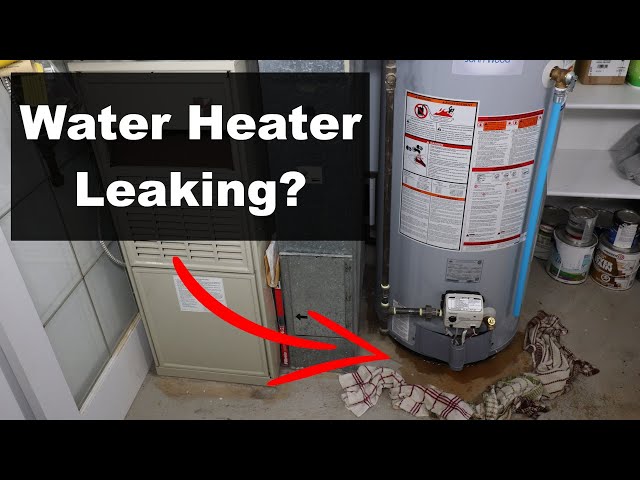
Look at your water heater every few months. Check for rust, cracks, or water pools under it. Flush the tank once a year. Flushing removes sediment that harms the heater. It helps the heater last longer and work better.
Checking Pressure Relief Valve
The pressure relief valve stops too much pressure inside the tank. Test it twice a year by lifting the valve lever. Water should flow out and stop when you let go. Replace the valve if it leaks or does not work.
Maintaining Proper Water Pressure
High water pressure can cause leaks and damage the heater. Use a pressure gauge to check the pressure. It should be between 40 and 60 psi. Install a pressure regulator if the pressure is too high. This keeps your heater safe and avoids leaks.
Credit: www.youtube.com
Frequently Asked Questions
Why Is My Hot Water Heater Leaking From The Bottom?
A leak at the bottom usually means a faulty drain valve or a corroded tank. Check the valve for tightness and inspect the tank for rust.
Can A Leaking Water Heater Cause Floor Damage?
Yes, leaking water can damage floors, walls, and nearby appliances. Address leaks promptly to avoid costly repairs and mold growth.
How Do I Stop My Water Heater From Leaking Temporarily?
Turn off the power and water supply. Place a bucket under the leak and tighten the drain valve to reduce dripping.
When Should I Replace A Leaking Hot Water Heater?
Replace the heater if the tank is corroded or leaks persist after repairs. Older units often need full replacement for safety.
Conclusion
A hot water heater leaking from the bottom needs quick attention. Small leaks can cause big problems later. Check the tank and pipes often for signs of water. Fix leaks early to avoid damage and extra costs. Sometimes, replacing the heater is the safest choice.
Stay aware and act fast to keep your home safe and dry. Taking care of leaks saves money and stress in the long run. Don’t ignore the problem; keep your water heater working well.