
Is your water heater running, but you’re still not getting any hot water? That’s frustrating, and you’re not alone.
When your water heater seems to be working but the water stays cold, it can disrupt your daily routine and leave you wondering what’s wrong. The good news is, this problem often has simple causes and solutions you can understand.
You’ll discover why your water heater might be acting up and what steps you can take to fix it quickly. Keep reading to get your hot water flowing again without delay.
Credit: www.dentalhousecr.com
Common Causes Of No Hot Water
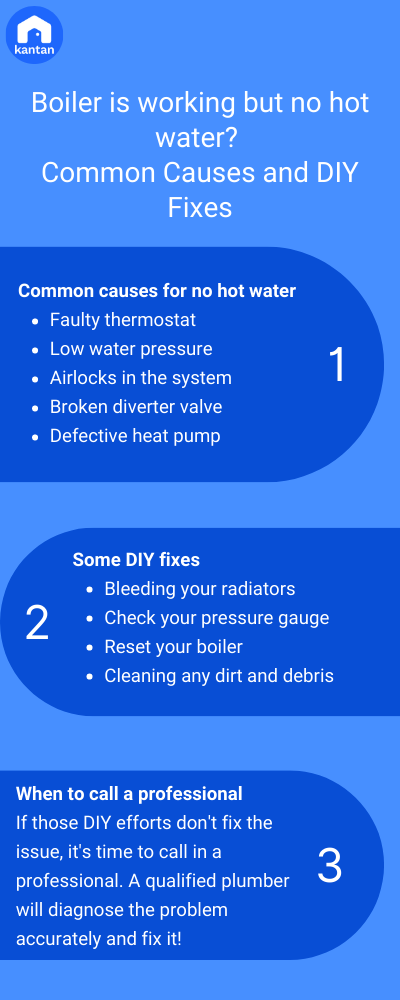
Many homeowners face the problem of having a water heater that runs but does not produce hot water. This issue can be frustrating and confusing. Several common causes might explain why your water heater is not heating properly. Understanding these causes can help you decide on the next steps.
Pilot Light Issues
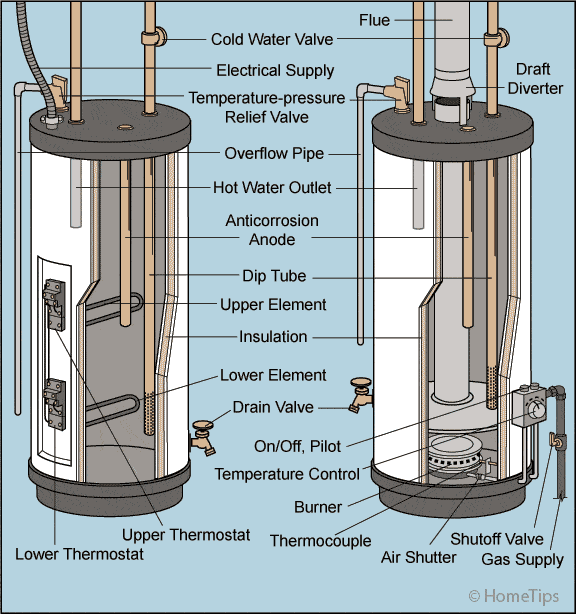
The pilot light is a small flame that ignites the gas burner. If it goes out, the heater won’t produce hot water. Dirt or drafts can cause the pilot light to go off. Sometimes, the thermocouple, which senses the pilot flame, may fail. This prevents the gas valve from opening.
Thermostat Malfunctions
The thermostat controls the water temperature. If it breaks or becomes faulty, the water may not heat. A wrong setting can also cause lukewarm water. Sometimes, the thermostat wires become loose or damaged. Checking the thermostat is a simple first step.
Heating Element Failure
Electric water heaters use heating elements to warm water. If an element burns out, the water stays cold. Usually, electric heaters have two elements. One element might fail while the other still works. This leads to partial or no hot water.
Sediment Buildup
Over time, minerals in water settle at the tank’s bottom. This buildup creates a barrier between the heating element and water. It lowers heating efficiency and causes cold water. Regular flushing of the tank removes sediment. This helps maintain heater performance.
Tripped Circuit Breaker
Electric water heaters rely on power from the circuit breaker. A tripped breaker cuts electricity to the heater. This stops the heating elements from working. Resetting the breaker may restore hot water. If it trips again, an electrician should check the system.
Quick Diy Fixes
Water heaters sometimes stop giving hot water, but the problem might be easy to fix. Quick DIY fixes can save time and money before calling a plumber. These simple checks help most people solve the issue at home.
Relighting The Pilot Light
Older water heaters use a pilot light to heat water. The pilot light can go out, stopping hot water flow. Find the pilot light area on your heater. Follow the instructions on the heater to safely relight it. Wait a few minutes to see if the water heats up again.
Resetting The Thermostat
The thermostat controls the water temperature. Sometimes it trips and stops heating. Locate the reset button on the thermostat. Press and hold it for a few seconds. This can restart the heating process and restore hot water quickly.
Flushing The Tank
Mineral buildup inside the tank blocks heat transfer. Flushing the tank removes these deposits. Turn off the water heater and cold water supply. Attach a hose to the drain valve and empty the tank. Flush with clean water until clear water comes out. This improves heating efficiency.
Checking The Circuit Breaker
Electric water heaters rely on the circuit breaker. Sometimes it trips and cuts power to the heater. Check your home’s breaker box for any tripped switches. Reset any breakers related to the water heater. This restores power and heating function.
Inspecting For Leaks
Leaks reduce water pressure and heat. Look around the tank and pipes for water puddles or drips. Tighten loose connections or replace damaged parts. Fixing leaks helps maintain proper heating and water flow.
When To Call A Professional
Sometimes, a water heater stops giving hot water despite running normally. Knowing when to call a professional saves time and prevents damage. Certain signs mean the problem is beyond simple fixes. A trained technician can safely diagnose and repair your water heater.
Persistent Heating Problems
When your water heater fails to heat water after several attempts, call a professional. Repeated issues may indicate internal damage or a failing component. A technician can test the system and fix hidden problems.
Gas Smell Or Leak Detection
Detecting a gas smell near your water heater is dangerous. Shut off the gas supply immediately. Contact a professional to inspect and repair leaks safely. Do not try to fix gas issues yourself.
Electrical Issues
If your electric water heater trips breakers or shows signs of electrical faults, call an expert. Electrical problems can cause shocks or fires. Professionals have the tools and knowledge to handle wiring and parts safely.
Replacing Faulty Parts
Some water heater parts need professional replacement. Thermostats, heating elements, and valves require skill to install. Incorrect replacement can cause more damage or safety risks. Let a technician handle part replacements properly.
Credit: boilercentral.com
Preventive Tips For Hot Water Reliability
Keeping your hot water flowing reliably depends on simple, regular care. Small steps can stop many common water heater problems. Focus on easy actions that maintain your heater’s health.
Regular Maintenance Schedule
Check your water heater every six months. Look for leaks, rust, or strange noises. Flush the tank yearly to clear out dirt. Routine checks keep the heater working well.
Water Temperature Settings
Set your heater temperature to 120°F (49°C). This saves energy and prevents scalding. Too low means no hot water; too high wastes power.
Avoiding Sediment Buildup
Drain the tank to remove sediment. Sediment lowers heater efficiency and causes damage. Clear tanks heat water faster and last longer.
Upgrading Old Units
Replace water heaters older than 10 years. New models use less energy and heat water better. Upgrading avoids sudden breakdowns and high repair costs.
Credit: www.ictubi.com
Frequently Asked Questions
Why Is My Water Heater Not Producing Hot Water?
Your water heater may lack hot water due to a faulty heating element, thermostat issues, or sediment buildup. Check these components and reset the system if needed. Regular maintenance can prevent such problems and ensure consistent hot water supply.
Can A Tripped Circuit Breaker Cause No Hot Water?
Yes, a tripped circuit breaker can cut power to your electric water heater. Resetting the breaker may restore hot water. Always ensure safety by turning off the power before inspecting the heater or calling a professional.
How Does Sediment Buildup Affect Hot Water Supply?
Sediment buildup in the tank insulates heating elements, reducing efficiency. This causes the water to heat slowly or not at all. Flushing the tank regularly helps maintain optimal performance and extends the water heater’s lifespan.
When Should I Call A Professional Plumber?
Call a professional if resetting or basic troubleshooting fails to restore hot water. Complex issues like faulty wiring, broken heating elements, or gas supply problems require expert repair to ensure safety and efficiency.
Conclusion
A water heater that runs but gives no hot water needs quick attention. Check the thermostat, pilot light, or heating element first. Small fixes can save time and money. Safety matters—turn off power before inspecting. Call a professional if unsure or problems persist.
Regular care helps avoid cold showers and costly repairs. Stay warm by keeping your water heater in good shape. Simple steps protect your comfort every day.