
Is your gas water heater not heating water like it used to? You might be facing issues with the dip tube, a small part that plays a big role in your water heater’s performance.
If your showers are suddenly cold or your hot water runs out too quickly, understanding how to troubleshoot the dip tube can save you time and money. You’ll learn simple steps to identify dip tube problems and fix them before they turn into costly repairs.
Keep reading to get your hot water flowing smoothly again!
Signs Of Dip Tube Problems
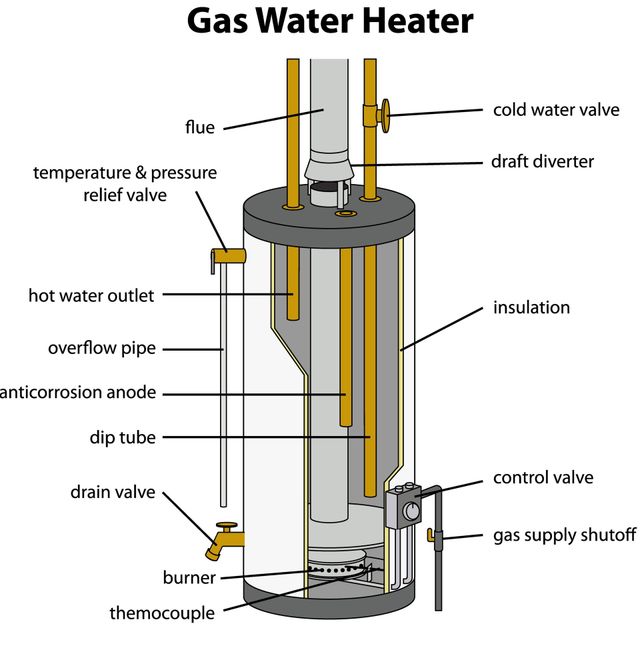
The dip tube in a gas water heater directs cold water to the bottom of the tank. This helps the water heat evenly. Problems with the dip tube can cause issues with hot water supply. Recognizing the signs early saves time and money.
Reduced Hot Water Flow
One common sign of dip tube problems is less hot water flow. The water may come out slower than usual. The dip tube might be broken or cracked. Cold water mixes with hot water, lowering the temperature. This results in weaker hot water from your taps.
Water Temperature Fluctuations
Temperature changes are another warning sign. Hot water may suddenly become cold or lukewarm. The dip tube may fail to send cold water to the tank bottom. This stops proper heating and causes uneven water temperature. You may notice this more during showers.
Unusual Noises
Strange sounds from the water heater can indicate dip tube issues. You might hear banging, popping, or rumbling noises. These sounds come from water mixing poorly inside the tank. The dip tube may be damaged or disconnected. Noises often increase when heating water.
Credit: www.uswhpro.com
Locating The Dip Tube
Locating the dip tube in a gas water heater is the first step in troubleshooting water flow issues. The dip tube directs cold water to the bottom of the tank. This helps the heater warm the water efficiently. Finding the dip tube allows you to check for damage or blockages. It is a simple process that anyone can do with basic tools.
Accessing The Water Heater
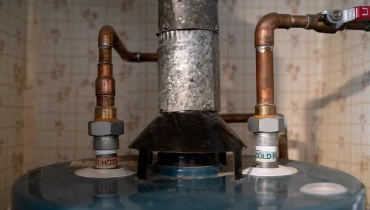
Start by turning off the gas and water supply. This keeps you safe during the process. Remove the access panel on the water heater’s cold water inlet. Use a screwdriver if the panel is screwed on. The dip tube is inside this inlet pipe. You may need a flashlight to see clearly.
Identifying The Dip Tube Position
The dip tube is a long, narrow plastic pipe. It extends from the cold water inlet down into the tank. It usually curves inside the tank’s opening. The tube’s job is to carry cold water near the tank’s bottom. This prevents mixing cold water with hot water at the top.
Common Dip Tube Issues
Dip tubes play a key role in gas water heaters. They direct cold water to the bottom of the tank. Problems with dip tubes can lower heater performance. Recognizing common dip tube issues helps keep your heater working well.
Cracks And Breakage
Dip tubes can crack or break over time. Cold water may mix with hot water early. This causes lukewarm water from the tap. Cracks often happen due to wear or poor materials. Inspecting the dip tube regularly can catch damage early.
Blockages And Deposits
Mineral deposits can build up inside the dip tube. These blockages reduce water flow. Water heating becomes uneven and slow. Deposits form faster in hard water areas. Cleaning or replacing the dip tube fixes the problem.
Improper Installation
A dip tube not installed correctly causes many problems. It may be too short or too long. Wrong placement leads to poor water flow. The heater won’t heat water properly. Always follow manufacturer steps during installation.
Credit: www.mrrooter.com
Tools And Materials Needed
Fixing a gas water heater dip tube requires the right tools and materials. Having everything ready makes the task smoother and safer. This section lists what you need before starting the repair.
Basic Tools List
- Adjustable wrench for loosening and tightening nuts
- Screwdriver set for removing access panels
- Pipe wrench to grip and turn pipes
- Teflon tape to seal pipe threads
- Bucket to catch water during draining
- Rag or cloth to clean spills
Replacement Dip Tubes
Choose a dip tube that matches your water heater model. Use a high-quality replacement to avoid early wear. Check the length and diameter before buying. A proper fit ensures the heater works efficiently.
Safety Equipment
- Gloves to protect your hands from heat and sharp parts
- Safety goggles to guard your eyes from splashes
- Face mask to avoid inhaling dust or fumes
- Flashlight for clear visibility inside the heater
Step-by-step Dip Tube Inspection
Inspecting the dip tube in your gas water heater helps ensure hot water flows properly. A damaged or broken dip tube can cause cold water to mix with hot water. This lowers the water temperature and wastes energy. Follow these clear steps to check the dip tube safely and carefully.
Shutting Off The Heater
Start by turning off the gas supply to the heater. Locate the gas valve and set it to “off.” Next, turn off the cold water supply to the heater. This prevents water from entering the tank while you work. Allow the heater to cool down for safety before proceeding.
Removing The Cold Water Inlet
Use a wrench to loosen the cold water inlet pipe connected to the heater. Twist the pipe gently to avoid damage. Remove the pipe carefully and set it aside. This exposes the dip tube inside the inlet opening for inspection.
Inspecting The Dip Tube Condition
Look inside the inlet opening to find the dip tube. It should be a long, narrow tube extending into the tank. Check for cracks, breaks, or pieces missing. A broken dip tube will not direct cold water properly. Replace the dip tube if any damage shows. This step ensures your heater works efficiently again.

Credit: savree.com
Quick Fixes For Dip Tube Problems
Dip tube problems can cause uneven hot water flow and reduce water heater efficiency. Quick fixes often solve these issues without needing a full replacement. Simple steps like cleaning, minor repairs, or replacing the dip tube help restore proper function fast.
Cleaning Blockages
Blockages inside the dip tube stop cold water from reaching the bottom of the tank. Use a flexible brush or a pipe cleaner to remove debris carefully. Flush the tank with clean water after cleaning to clear any loosened particles. This quick action can improve water flow and temperature balance.
Repairing Minor Cracks
Small cracks in the dip tube cause leaks and reduce water heater performance. Use waterproof epoxy or sealant to cover the cracks. Let the repair dry fully before using the water heater again. This fix extends the dip tube life and prevents further damage.
Replacing The Dip Tube
Replace the dip tube if damage is severe or repairs fail. Turn off the water and power supply first. Remove the old dip tube by unscrewing it from the water heater inlet. Install a new dip tube by screwing it in place securely. This replacement restores water heater function efficiently.
Preventing Future Dip Tube Issues
Preventing future dip tube issues is important for a reliable gas water heater. Small problems can lead to big repairs. Taking steps now saves time and money later. Regular care keeps your water heater working well. Follow simple tips to avoid dip tube damage and extend your heater’s life.
Regular Maintenance Tips
Check your water heater every few months. Look for leaks or strange noises. Flush the tank yearly to remove sediment. Sediment can wear down the dip tube. Replace the anode rod every few years. It protects the tank and dip tube from corrosion. Clean the burner and vents to keep heat steady. Regular checks catch problems early.
Water Quality Management
Hard water can harm the dip tube fast. Minerals build up inside the heater and block water flow. Use a water softener to reduce minerals. Test your water quality regularly. High minerals mean faster wear on parts. Keep water clean to protect the dip tube and other parts. Clean water helps your heater last longer.
Professional Inspection Schedule
Have a professional check your heater every year. Experts spot hidden problems before they grow. They can replace parts like the dip tube if needed. Professional service keeps your heater safe and efficient. It also meets warranty and safety rules. Set a yearly inspection reminder to stay on track.
Frequently Asked Questions
What Is The Purpose Of A Gas Water Heater Dip Tube?
A dip tube directs cold water to the tank’s bottom for proper heating. It ensures hot water rises to the top for use. A damaged dip tube causes uneven water temperature and reduces heater efficiency.
How Do I Know If My Dip Tube Is Broken?
Signs include lukewarm water, inconsistent temperature, or reduced hot water supply. Inspect the tube for cracks or disintegration. A broken dip tube often leads to early cold water mixing with hot water.
Can I Replace A Gas Water Heater Dip Tube Myself?
Yes, with basic plumbing skills and tools, you can replace it. Turn off water and gas supply before starting. Follow manufacturer instructions for a safe and proper replacement.
Why Does My Hot Water Run Out Quickly?
A damaged or broken dip tube causes cold water to mix prematurely. This reduces hot water availability. Checking and replacing the dip tube can restore proper hot water flow.
Conclusion
Troubleshooting your gas water heater dip tube can save time and money. Check for broken or worn dip tubes first. A damaged dip tube causes cold water to mix with hot water. Replace it if needed to restore proper function.
Regular maintenance helps avoid future problems. Keep your water heater working well and enjoy warm showers every day. Simple steps make a big difference in water heater performance. Stay alert to signs of dip tube issues for quick fixes.