
Are you tired of your gas hot water heater acting up? Power vent problems can turn your daily routine upside down, leaving you without hot water when you need it most.
Understanding these issues is key to fixing them quickly and avoiding costly repairs. You’ll discover common power vent problems, how to spot them early, and what steps you can take to keep your water heater running smoothly. Keep reading to take control of your hot water and say goodbye to unexpected cold showers.
Common Power Vent Issues
Gas hot water heaters with power vents offer better ventilation and efficiency. Yet, they can face common issues that affect their performance. Understanding these problems helps in quick troubleshooting and proper maintenance.
Below are frequent power vent problems that many homeowners experience. Each issue has clear signs to watch for and simple steps to address.
Vent Fan Not Running
The vent fan is crucial for removing exhaust gases safely. If it stops running, the heater cannot vent properly. This causes the system to shut down for safety reasons. The fan might fail due to electrical faults, motor problems, or a blown fuse. Checking the power supply and fan motor can help find the cause.
Unusual Noises
Strange sounds from the power vent indicate trouble. Rattling or grinding noises often mean debris or a loose part inside the fan. Buzzing or humming sounds may point to motor issues. Ignoring these noises can lead to bigger problems. Regular cleaning and inspection reduce noise and extend the heater’s life.
Frequent Pilot Light Outages
The pilot light keeps the burner ready to ignite. If it goes out often, the heater won’t work correctly. Causes include a dirty pilot tube, faulty thermocouple, or gas supply issues. A weak or unstable pilot light can also signal venting problems. Fixing these issues improves heater reliability and safety.
Water Temperature Fluctuations
Inconsistent water temperature can frustrate users. It often happens when the vent fan struggles or the heater cycles on and off too much. This leads to uneven heating and discomfort. Checking the vent system and thermostat settings helps stabilize the water temperature. Proper airflow ensures steady heat output.
Credit: luxurycorporatelodging.com
Causes Of Power Vent Problems
Power vent problems in gas hot water heaters can cause poor performance or even safety risks. Understanding the causes helps in spotting issues early. It also aids in keeping the heater working efficiently. Several common reasons lead to power vent problems. These include blockages, mechanical failures, and electrical faults.
Clogged Vent Pipes
Vent pipes carry harmful gases outside the home. Dirt, leaves, or bird nests can block these pipes. A clogged vent pipe stops gases from escaping. This causes the heater to work harder and may trigger safety shut-offs. Regular cleaning prevents these blockages and keeps air flowing smoothly.
Faulty Vent Fan Motor
The vent fan motor pushes air through the vent pipes. If the motor fails, the vent cannot clear gases properly. A faulty motor might make strange noises or stop working. This reduces heater efficiency and can cause overheating. Checking the motor regularly can avoid sudden failures.
Electrical Connection Issues
Power vents need a steady electrical supply to run the fan motor. Loose or damaged wires can cut power to the vent. Electrical issues cause intermittent or no vent operation. They also increase the risk of electrical shorts or fires. Inspecting wiring and connections ensures safe, reliable vent function.
Thermostat Malfunctions
The thermostat controls the heater and vent timing. A faulty thermostat may send wrong signals. This causes the vent to run at wrong times or not at all. Thermostat problems can lead to poor heating and wasted energy. Testing and replacing faulty thermostats keeps everything in sync.
Diagnosing Power Vent Problems
Diagnosing power vent problems in gas hot water heaters requires a careful look at several parts. These parts work together to push exhaust gases safely outside your home. If any part fails, the heater may not work right or could become unsafe. This guide helps you check key components to find the problem.
Checking The Vent Fan
The vent fan moves exhaust gases out of the water heater. Start by listening for unusual noises. A loud or grinding sound may mean the fan motor is bad. Look for dust or debris blocking the fan blades. Clean the fan carefully if dirty. Make sure the fan spins freely by hand.
Inspecting The Vent Pipes
Vent pipes carry harmful gases outside. Look for cracks, holes, or loose connections in the pipes. Check for any blockages like bird nests or leaves. Make sure pipes slope upward to allow gas to flow out. Damaged pipes need repair or replacement to keep the heater safe.
Testing Electrical Components
Electrical parts control the fan and ignition system. Use a voltage tester to check power at the fan motor. Inspect wires for damage or loose connections. Test the thermostat and control board for proper function. Faulty electrical parts can stop the heater from working.
Monitoring Water Temperature
Water temperature reveals heater performance. Use a thermometer to check hot water temperature. If water is too cold, the heater may not be firing properly. If the water is too hot, the thermostat might be broken. Consistent temperature problems suggest power vent or control issues.
Easy Fixes For Power Vent Issues
Power vent problems in gas hot water heaters can disrupt your home’s hot water supply. Many issues have simple solutions. These fixes save money and avoid long waits for a technician. Some repairs are easy and safe for homeowners. Understanding common fixes helps keep your water heater running smoothly.
Cleaning Vent Pipes
Dirt and debris can block vent pipes. Blocked vents stop gas fumes from escaping. Cleaning vent pipes restores airflow. Use a vacuum or brush to remove debris. Check pipes for cracks or holes. Clean pipes regularly to prevent buildup and maintain safety.
Replacing The Vent Fan Motor
The vent fan motor moves air through the vent pipes. A broken motor causes poor ventilation. Test the motor for power and noise. Replace the motor if it does not run. Choose a motor that fits your heater model. Installing a new motor improves vent efficiency and safety.
Repairing Electrical Connections
Loose or damaged electrical wires cause power vent failure. Turn off power before checking wires. Tighten loose connections with a screwdriver. Replace frayed or broken wires carefully. Secure all connections to prevent shorts. Proper wiring ensures the vent fan works reliably.
Adjusting Or Replacing The Thermostat
The thermostat controls the water heater’s temperature. A faulty thermostat causes overheating or no heat. Adjust the thermostat to the correct setting. Replace it if the heater does not respond. Use a compatible thermostat for your model. Correct thermostat function keeps water at a safe temperature.
Preventive Maintenance Tips
Preventive maintenance helps keep your gas hot water heater power vent working well. It stops small problems from turning into big repairs. Regular care improves safety and saves money. Follow these simple tips to protect your system and enjoy steady hot water.
Regular Cleaning Schedule
Dust and dirt can block the power vent. Clean the vent and surrounding area every few months. Remove debris and check for signs of rust or damage. Clean parts help the heater run smoothly and safely.
Routine Electrical Inspections
Inspect electrical connections and wires often. Look for loose or damaged wires. Check the power supply to the vent fan. Fixing electrical issues early prevents breakdowns and hazards.
Monitoring Performance
Watch for unusual noises or smells from the heater. Notice if the water heats slower than usual. Track any error codes on the control panel. These signs help catch problems early before they worsen.
Professional Servicing
Hire a licensed technician for yearly inspections and maintenance. Professionals clean parts deeply and test safety features. They spot hidden issues and fix them correctly. Regular service extends your heater’s life and keeps it safe.
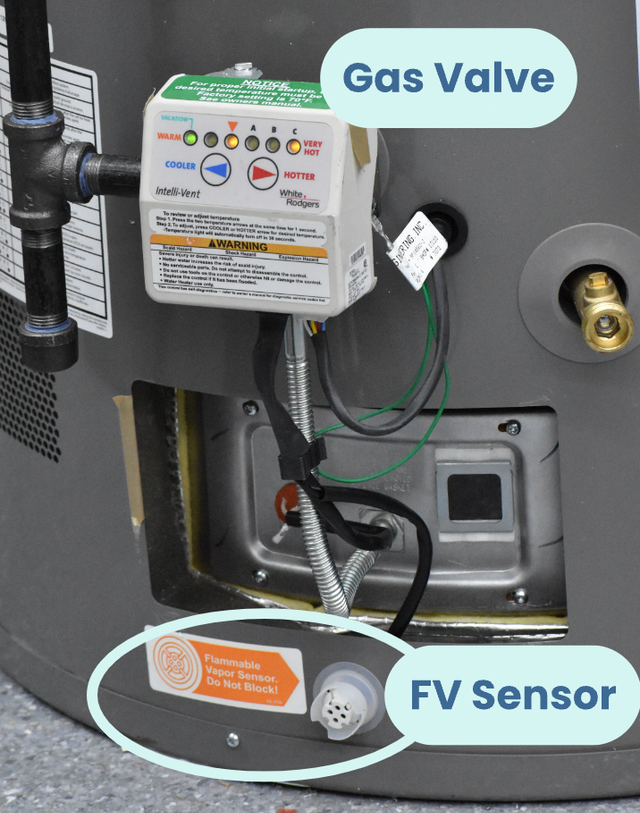
Credit: healingwithhorsesranch.org
When To Call A Professional
Knowing when to call a professional for gas hot water heater power vent problems is crucial. Some issues look simple but hide bigger risks. Acting fast protects your home and family.
Complex Electrical Problems
Power vent systems rely on electrical parts. Trouble like flickering lights or no power may signal deep wiring issues. These problems need a trained electrician. DIY attempts can cause damage or injury.
Persistent Vent Fan Failures
The vent fan moves dangerous gases outside. If it stops working again and again, it means a serious fault. A professional can check the motor, wiring, and controls. Fixing it ensures safe venting and heater function.
Gas Leak Concerns
Smelling gas near your heater is alarming. Gas leaks can cause fires or explosions. Do not try to find the leak yourself. Call a certified technician immediately. They have tools to detect and fix leaks safely.
Safety Precautions
Always turn off your heater at the breaker before inspecting it. Avoid touching wires or vent parts. Keep children and pets away during repairs. Professionals follow strict safety rules. They prevent accidents and keep your system running well.

Credit: inocolombia.com
Frequently Asked Questions
What Causes Power Vent Problems In Gas Water Heaters?
Power vent problems often stem from blocked vents, faulty fans, or electrical issues. Regular maintenance prevents most issues. Ensuring clear vent paths and proper fan operation is essential for smooth functioning. Faulty wiring or control board failures can also disrupt power vent performance.
How To Fix A Gas Water Heater Power Vent Issue?
Start by inspecting and clearing any vent blockages. Check the power vent fan and wiring for damage. Reset the unit if needed. If problems persist, consult a professional technician to diagnose and repair electrical or mechanical faults safely.
Why Is My Gas Water Heater’s Power Vent Fan Noisy?
A noisy power vent fan usually indicates debris buildup, worn bearings, or motor issues. Cleaning the fan blades and lubricating the motor can reduce noise. Persistent noise may require fan replacement to maintain efficient venting and heater safety.
Can A Blocked Power Vent Cause Water Heater Failure?
Yes, a blocked power vent restricts exhaust flow, causing overheating or shutdown. This can damage the heater and pose safety risks. Regularly inspect and clear vents to ensure proper airflow and prevent operational failures.
Conclusion
Gas hot water heater power vent problems can cause discomfort at home. Fixing issues early saves money and stress. Watch for strange noises, smells, or poor heating. Regular checks keep your system running smoothly. Don’t ignore warning signs or delays in repair.
Safe and warm water depends on a working vent. Stay alert, act fast, and enjoy reliable hot water daily. Simple care prevents bigger problems later. Keep your home comfortable and safe with proper maintenance.