Is your hot water heater or furnace acting up when you need it most? Dealing with sudden cold showers or chilly rooms can be frustrating and stressful.
You rely on these systems every day, and when they fail, it disrupts your comfort and routine. But don’t worry—understanding the common problems your hot water heater or furnace might face can save you time, money, and headaches. Keep reading to discover the key issues, how to spot them early, and what you can do to keep your home warm and cozy all year round.
Common Heater Furnace Issues
Hot water heater furnaces can face several common problems that affect their performance. These issues often cause discomfort and higher energy bills. Knowing the signs helps you spot problems early. This way, you can fix them before they get worse.
No Hot Water
No hot water is a common and frustrating problem. It usually means the heater is not heating the water properly. This can happen due to a faulty thermostat or heating element. Sometimes, a tripped circuit breaker also stops the heater from working.
Strange Noises
Strange noises like popping or banging sounds often come from sediment buildup. Sediment collects at the bottom of the tank and causes noise when heated. These noises can signal the tank is corroding or nearing failure. Regular flushing helps reduce this problem.
Water Leaks
Water leaks around the furnace need immediate attention. Leaks can come from loose connections, damaged valves, or cracks in the tank. Ignoring leaks can cause water damage and reduce heater efficiency. Check pipes and fittings regularly for signs of moisture.
Pilot Light Problems
Pilot light issues stop the furnace from igniting the burner. The light may go out due to a dirty or faulty thermocouple. Sometimes, drafts or gas supply problems cause the pilot light to fail. Cleaning or replacing parts often solves this issue.
Inconsistent Water Temperature
Inconsistent water temperature means the heater is not heating evenly. This can happen from a failing thermostat or sediment buildup. Sometimes, the dip tube inside the tank breaks, mixing hot and cold water. Regular maintenance keeps the water temperature steady.
Credit: imprimiloya.net
Top Causes Of Furnace Problems
Furnace problems can disrupt your home’s comfort and increase energy bills. Understanding the main causes helps in spotting issues early. It saves money and avoids bigger repairs later. Several common issues affect furnace performance and safety.
Here are the top causes of furnace problems. Each one can reduce efficiency and cause breakdowns.
Sediment Buildup
Over time, minerals and debris settle at the bottom of the tank. This buildup lowers heating efficiency. It can cause strange noises and damage the tank. Regular flushing helps prevent sediment buildup and extends the furnace’s life.
Thermostat Malfunctions
A faulty thermostat can cause incorrect temperature control. The furnace may run too long or not enough. This problem leads to uneven heating and wasted energy. Checking and replacing old thermostats improves furnace performance.
Faulty Heating Elements
Heating elements wear out with use. Broken elements prevent the furnace from heating water properly. It results in cold water or fluctuating temperatures. Timely replacement restores consistent heating and comfort.
Pressure Relief Valve Issues
The pressure relief valve protects the furnace from excess pressure. If it malfunctions, the furnace can become unsafe. Signs include leaking water or strange noises. Regular valve inspection ensures safe furnace operation.
Corroded Pipes And Tanks
Corrosion weakens pipes and tanks over time. It causes leaks and water damage around the furnace. Rusty parts reduce heating efficiency and pose safety risks. Routine checks and timely repairs prevent severe damage.
Simple Diy Fixes
Simple DIY fixes can solve many common hot water heater furnace problems. These steps save time and money. Basic tools and safety precautions are all you need. Follow each step carefully to avoid damage or injury.
Flushing The Tank
Drain the tank to remove sediment build-up. Sediment reduces efficiency and causes noise. Turn off power and water supply. Connect a hose to the drain valve. Let water flow out until clear. Close the valve and refill the tank. This helps your heater run smoothly.
Resetting The Thermostat
Thermostat reset can restore normal operation. Locate the reset button on the unit. Press and hold it for a few seconds. Release and wait for the heater to restart. This step solves many heating issues fast. Always check the manual for your model.
Replacing Heating Elements
Heating elements can wear out over time. Turn off power before starting. Drain the tank to avoid water leaks. Remove the old element with a wrench. Install the new element and tighten securely. Refill the tank and restore power. This fix restores hot water quickly.
Tightening Loose Connections
Loose wires cause electrical problems and heat loss. Switch off power at the breaker. Inspect all wiring connections carefully. Use a screwdriver to tighten loose screws. Check for damaged wires and replace if needed. Secure connections improve safety and performance.
Cleaning The Pilot Light
A dirty pilot light can stop heating. Turn off gas and power first. Remove the pilot assembly cover. Use a soft brush to clean dust and debris. Reassemble and turn gas back on. Relight the pilot according to instructions. This keeps your heater working well.
Credit: structuretech.com
When To Call A Professional
Knowing when to call a professional for hot water heater furnace problems can save money and stress. Some issues need expert care to avoid damage or danger. Acting early stops small problems from getting worse.
Persistent Leaks
Small leaks may seem harmless but often hide bigger issues. A constant drip wastes water and raises bills. Leaks near electrical parts can cause shocks or fires. A professional finds the leak source and fixes it safely.
Gas Smell Detection
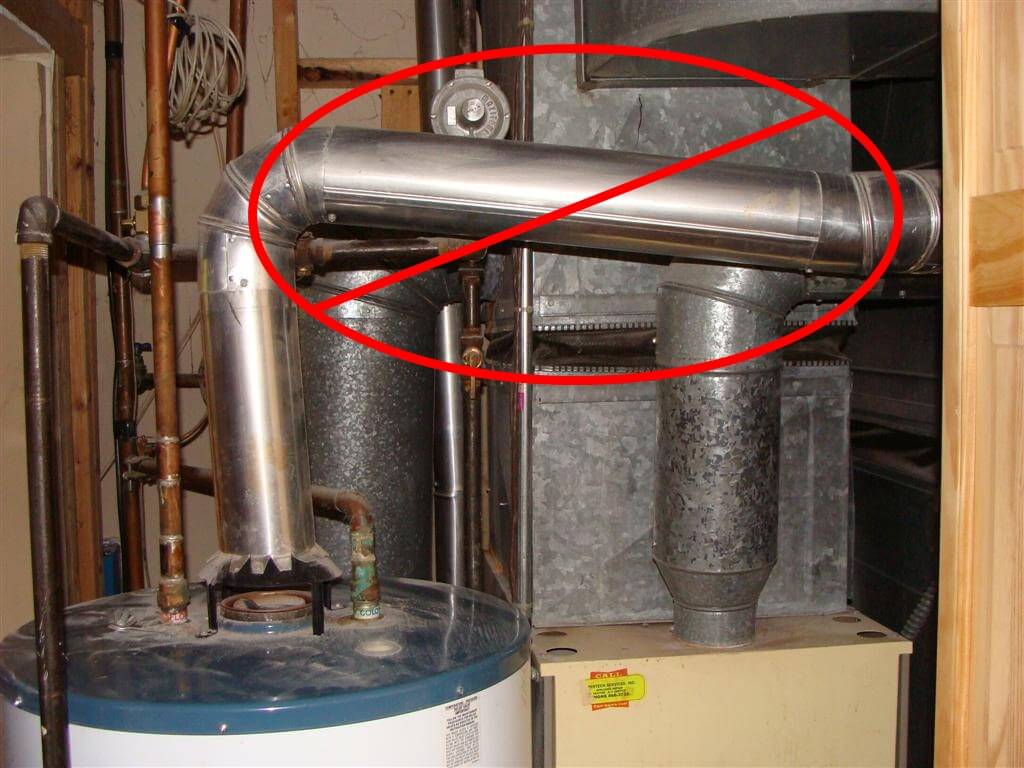
The smell of gas near your heater is a serious warning. Gas leaks can cause explosions or health risks. Do not try to fix gas problems yourself. Call a certified technician immediately to inspect and repair.
Electrical Problems
Flickering pilot lights or frequent breaker trips suggest electrical faults. Faulty wiring or parts may cause fires or heater failure. A licensed electrician should check and repair electrical issues. Never ignore these signs.
Major Component Failures
Strange noises, no hot water, or error codes mean serious failures. Components like the thermostat or heating element may need replacement. Professionals have tools and knowledge to handle major repairs. Early service keeps your heater running longer.
Maintenance Tips For Longevity
Proper care helps your hot water heater furnace last longer. Small steps prevent big problems. Regular maintenance keeps it safe and efficient. Follow these simple tips to protect your investment and enjoy steady hot water.
Regular Inspections
Check your furnace monthly for leaks or rust. Look at pipes and connections closely. Early spotting stops bigger damage. Call a professional if you see unusual signs.
Annual Flushing
Flush the tank once a year to remove sediment. Sediment buildup reduces heating power and damages the tank. Use a hose and drain valve to clear out debris. This keeps your furnace working well.
Checking Pressure Valves
Test the pressure relief valve every six months. This valve prevents pressure buildup that can cause explosions. Lift the valve handle and let water flow briefly. If water does not flow or leaks afterward, replace the valve.
Insulating Pipes
Wrap hot water pipes with insulation sleeves. This reduces heat loss and saves energy. Insulated pipes keep water hotter for longer. Easy and cheap to install.
Monitoring Water Quality
Hard water causes scale buildup inside the heater. Use water softeners or filters to improve water quality. Clean water extends the furnace’s life. Test water hardness regularly for best results.
Credit: structuretech.com
Frequently Asked Questions
What Causes My Hot Water Heater Furnace To Stop Working?
Common causes include thermostat issues, pilot light problems, or faulty heating elements. Sediment buildup can also block heat transfer. Regular maintenance helps prevent these issues and ensures efficient operation.
How Can I Identify A Leaking Hot Water Heater Furnace?
Look for water pooling around the base or rust on the tank. Leaks often stem from corroded pipes or damaged valves. Early detection prevents water damage and costly repairs.
Why Is My Hot Water Heater Furnace Making Strange Noises?
Noises usually indicate sediment buildup or air trapped in the tank. Popping or rumbling sounds mean the heater needs flushing. Addressing this extends the furnace’s lifespan and improves efficiency.
How Often Should I Service My Hot Water Heater Furnace?
Annual maintenance is recommended to check for leaks, corrosion, and proper function. Regular servicing enhances safety and prolongs the heater’s life, saving money in the long run.
Conclusion
Hot water heater furnace problems can cause big trouble at home. Catching issues early saves money and stress. Regular checks keep your heater working well. Simple fixes often stop small problems from growing. Always act fast when you notice strange noises or leaks.
Staying aware helps avoid cold showers and high bills. Keep your heater in good shape for comfort and safety. Don’t wait until problems get worse. Take care today for a warm tomorrow.