
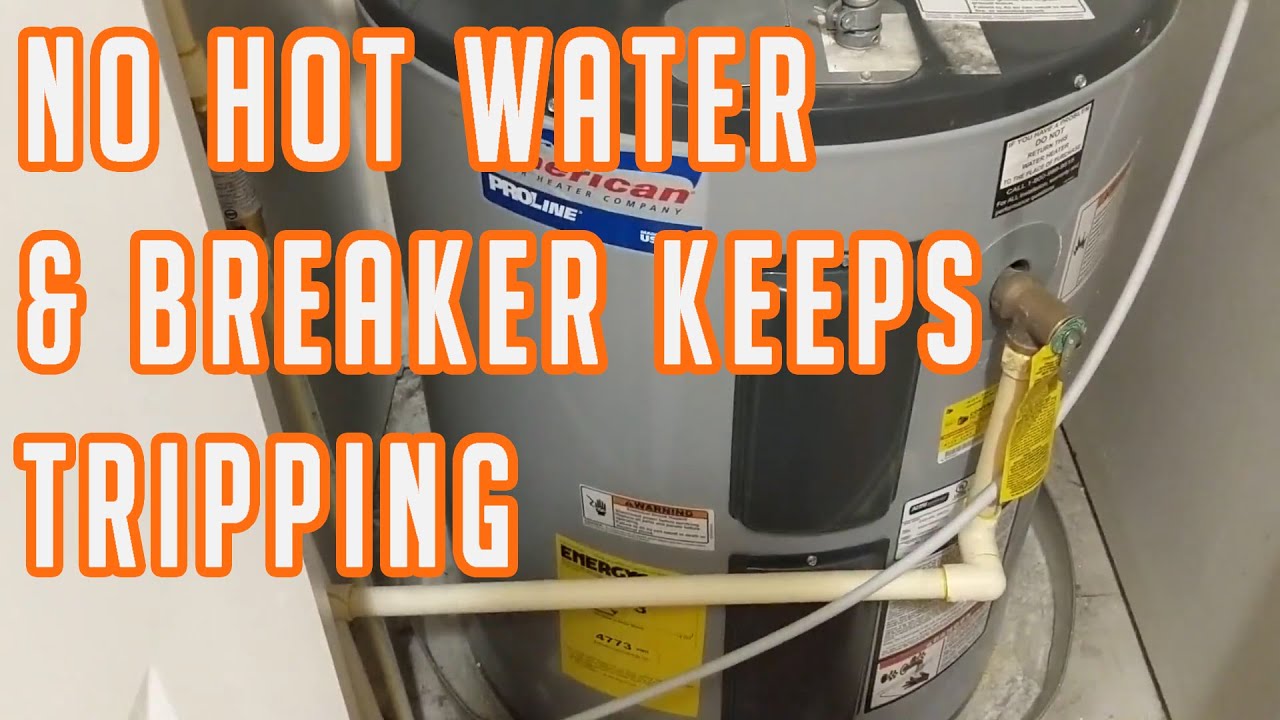
Is your electric hot water heater suddenly tripping the breaker? This frustrating problem can leave you without hot water and wondering what went wrong.
You might be asking yourself if it’s a simple fix or a sign of a bigger issue. Don’t worry—you’re not alone, and understanding why this happens can save you time, money, and stress. Keep reading to discover the common causes and easy solutions that will help you get your hot water heater back up and running safely.
Common Causes Of Breaker Trips
Electric hot water heaters often cause breakers to trip. This issue disrupts your hot water supply and can be frustrating. Understanding the common causes helps you fix the problem quickly. Most breaker trips happen due to electrical or mechanical faults inside the heater or its circuit.
Overloaded Circuit
An overloaded circuit happens when too many devices draw power. The breaker trips to stop overheating and fire risks. Electric water heaters need a dedicated circuit. Sharing this circuit with other appliances causes overload and breaker trips.
Short Circuit Issues
A short circuit occurs when wires touch each other or metal parts. This creates a sudden surge of electricity. The breaker trips fast to protect the home’s wiring. Short circuits often happen inside the heater or its wiring connections.
Ground Fault Problems
A ground fault happens when electricity flows outside the normal path. It can flow through water or metal parts. This is dangerous and causes the breaker to trip immediately. Ground faults can arise from damaged wiring or moisture inside the heater.
Faulty Heating Element
The heating element turns electricity into heat for the water. A damaged or worn-out element can cause breaker trips. It may short circuit or draw too much current. Replacing a faulty heating element often solves the breaker problem.
Signs Of Electrical Problems
Electric hot water heaters sometimes show signs of electrical problems. These signs help you know when the heater needs attention. Spotting these early can prevent bigger issues and keep your home safe.
Frequent Breaker Trips
One clear sign is frequent breaker trips. The breaker shuts off power to stop damage or fire. If it trips often, the heater might have a short circuit or overload. This means the heater draws too much power or has faulty wiring.
Unusual Noises From Heater
Strange sounds from the heater can signal trouble. Buzzing, humming, or popping noises often come from electrical parts. These noises may mean loose connections or failing components inside the heater. Ignoring these sounds risks further damage or safety hazards.
Water Temperature Fluctuations
Inconsistent water temperature is another warning sign. Sudden hot or cold changes can point to electrical issues. Faulty heating elements or thermostat problems often cause this. Proper water heating depends on stable electrical flow and working parts.
Basic Troubleshooting Steps
Electric hot water heaters can trip breakers for several reasons. Basic troubleshooting helps find simple problems fast. Follow these steps to check common issues before calling a technician.
Resetting The Breaker
Start by turning off the breaker fully. Wait a few seconds. Then switch it back on. This can clear minor electrical faults. Watch if the breaker trips again. If it trips right away, more checks are needed.
Inspecting The Wiring
Look at the wiring connected to the heater. Loose or damaged wires cause short circuits. Turn off power before touching wires. Tighten any loose connections carefully. Replace damaged wires or call a professional.
Checking The Thermostat
The thermostat controls the heater temperature. A faulty thermostat may cause too much heat. Test it with a multimeter for proper function. Replace the thermostat if it shows errors. This step stops overheating and breaker trips.

Credit: www.reddit.com
Fixing A Faulty Heating Element
Fixing a faulty heating element is key to solving breaker trips in electric hot water heaters. The heating element warms the water inside the tank. If it breaks or shorts, the breaker trips to stop electrical hazards. Replacing or repairing this part can restore your heater’s function.
Start by checking the heating element carefully. This step saves time and money. It helps confirm if the element is the real cause of the problem.
Testing The Element
Turn off the power at the breaker panel before testing. Use a multimeter set to measure resistance (ohms). Remove the heating element from the tank. Touch the probes to the element’s terminals. A good element shows a low resistance value. If the meter reads infinite or zero, the element is faulty. Also, check for any signs of damage or corrosion.
Replacing The Element
After testing, buy the correct replacement element. Match the wattage and size exactly. Drain the tank below the element’s level. Unscrew the old element using a special wrench. Insert the new element and tighten it securely. Refill the tank and restore power. Check if the breaker still trips and the water heats properly.
Addressing Ground Faults
Ground faults often cause electric hot water heaters to trip breakers. These faults happen when electricity escapes the heater’s wiring and flows to the ground. This can create a shock hazard and damage the electrical system. Finding and fixing ground faults is important for safety and proper heater operation.
Using A Ground Fault Circuit Interrupter
A Ground Fault Circuit Interrupter (GFCI) detects small electrical leaks. It quickly cuts power to stop shocks and prevent fires. Installing a GFCI on your hot water heater circuit adds an extra safety layer. It can help identify ground faults early and keep your home safe.
Repairing Damaged Insulation
Damaged wire insulation often causes ground faults. Over time, heat or moisture can wear out the insulation. Exposed wires may touch metal parts or other wires, causing faults. Inspect wires carefully and replace any with broken or worn insulation. Proper repair prevents electrical shorts and breaker trips.
Credit: www.youtube.com
Preventing Future Breaker Trips
Preventing future breaker trips is key to keeping your electric hot water heater working well. Breaker trips often signal electrical issues or overloads. Taking steps to avoid these can save you time, money, and stress. You can protect your home and your heater by maintaining a safe electrical system.
Upgrading Electrical Components
Old or worn electrical parts can cause breaker trips. Upgrading components like circuit breakers and wiring helps handle the heater’s power needs. Modern breakers are more reliable and can better protect your system. Consult a licensed electrician for proper upgrades. This ensures safety and improves overall performance.
Routine Maintenance Tips
Regular checks keep your water heater and electrical system in good shape. Inspect wiring for signs of wear or damage. Test the breaker to make sure it works properly. Flush the water heater tank to remove sediment buildup. Clean or replace heating elements as needed. Scheduled maintenance reduces the risk of unexpected trips and extends the heater’s life.
When To Call A Professional
Knowing when to call a professional for an electric hot water heater tripping the breaker is very important. This issue can be tricky and may cause more problems if not handled correctly. Some signs mean it is time to get expert help. Understanding these signs keeps you safe and saves your heater.
Safety Considerations
Electric hot water heaters deal with high voltage. Handling them without knowledge can lead to electric shocks or fires. A professional knows how to work safely with these devices. They use proper tools and protective gear. Avoid touching wires or parts inside the heater. If the breaker trips often, it is safer to call an expert. They prevent accidents and protect your home.
Complex Electrical Repairs
Breaker tripping can mean many problems inside the heater. It may be a short circuit, damaged wiring, or a faulty thermostat. Finding the exact cause needs skill and experience. Professionals have training to test and fix these issues. They can replace parts correctly and safely. DIY repairs might make the problem worse. Trusting a professional ensures the heater works well and lasts longer.

Credit: www.youtube.com
Frequently Asked Questions
Why Does My Electric Water Heater Trip The Breaker?
An electric water heater trips the breaker due to electrical overload, short circuits, or faulty wiring. It can also be caused by a damaged heating element or thermostat, leading to excessive current draw and breaker trips.
How Can I Fix A Water Heater That Trips The Breaker?
First, turn off power and inspect wiring and connections. Replace faulty heating elements or thermostats. If unsure, consult a licensed electrician to safely diagnose and repair the issue.
Is A Tripping Breaker Dangerous For My Water Heater?
Yes, frequent breaker trips can damage your water heater’s electrical components. It also poses fire risks. Always address the root cause promptly for safety and appliance longevity.
Can A Faulty Thermostat Cause Breaker Trips?
Yes, a faulty thermostat can cause the heater to overheat, drawing excess current. This overload trips the breaker to prevent damage and hazards.
Conclusion
Electric hot water heaters tripping breakers can signal an electrical issue. Check the heater’s wiring and thermostat for faults. A damaged heating element might cause the breaker to trip. Always turn off power before inspecting any parts. Regular maintenance helps prevent breaker trips and extends heater life.
Call a licensed electrician if problems continue. Staying safe and fixing issues quickly keeps your hot water running. Don’t ignore frequent breaker trips—they protect your home from electrical hazards. Simple checks can save time and money in the long run.